
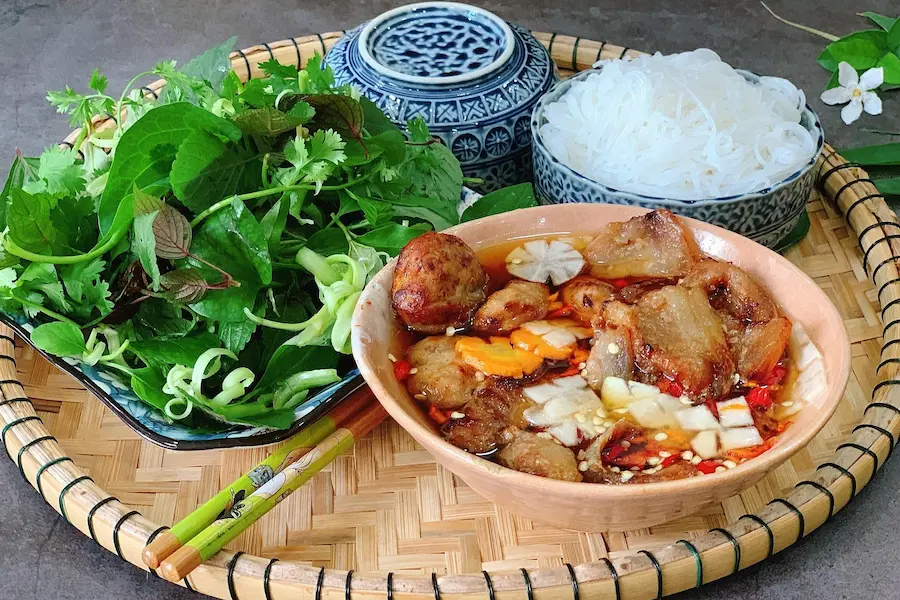
In Hanoi, lunchtime often announces itself before you see the restaurant. The smell of pork grilling over charcoal drifts through narrow streets, while bowls of dipping sauce, fresh herbs, and white rice noodles appear on small tables. For many Hanoians, that familiar combination means one thing: bún chả.
If you’re searching for the best bun cha in Hanoi, the city’s Old Quarter is an excellent place to start. Bún Chả Đắc Kim is a longstanding favorite on Hàng Mành Street, while Bún Chả Hàng Quạt offers a more tucked-away experience. For a famous culinary landmark, Bún Chả Hương Liên is where Barack Obama and Anthony Bourdain shared a meal in 2016.
But the best choice depends on what you’re looking for: an easy first introduction, an atmospheric neighborhood lunch, or a different take on the traditional dish.
This local food guide introduces six notable bun cha restaurants in Hanoi, with addresses, ordering suggestions, and practical advice to help you enjoy your meal.
What Is Bun Cha and Why Is It Famous in Hanoi?
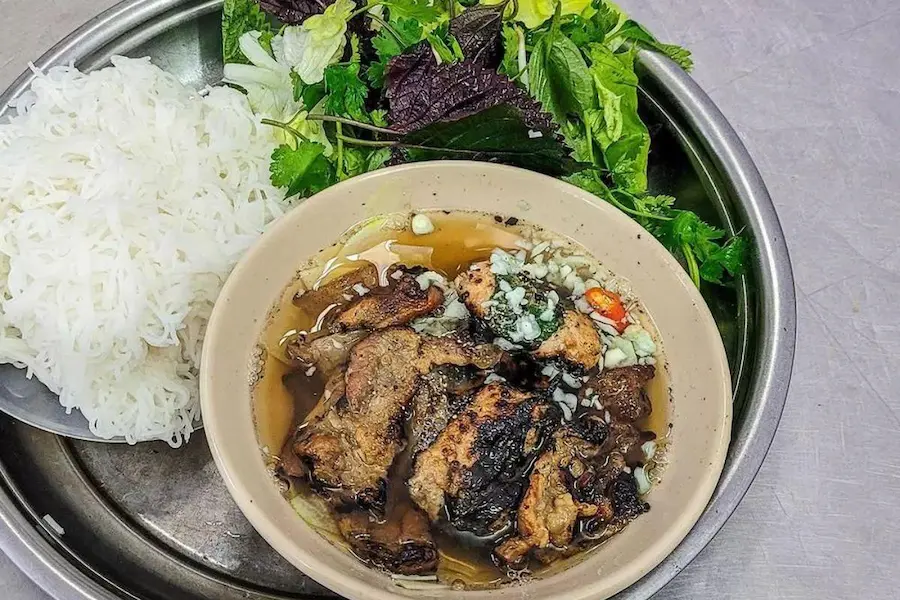
Bun cha is a traditional Vietnamese dish featuring charcoal-grilled pork, soft rice vermicelli noodles, fresh herbs, and a bowl of sweet-and-sour dipping sauce.
Unlike pho, where noodles and meat are served together in broth, bun cha usually arrives as separate components. You combine the noodles, pork, herbs, and sauce as you eat.
A traditional serving generally includes:
- Chả miếng: Thin slices of marinated grilled pork.
- Chả viên: Small grilled pork patties.
- Bún: Soft white rice vermicelli noodles.
- Nước chấm: A savory dipping sauce typically made with fish sauce, vinegar, sugar, and water, often with pickled vegetables.
- Rau sống: Fresh herbs and leafy greens served alongside the dish.
The appeal lies in the balance: smoky meat, refreshing vegetables, tender noodles, and a dipping sauce that brings everything together.
Bun cha is especially associated with Hanoi’s lunchtime culture. Many traditional shops focus on the late morning and early afternoon, although some well-known restaurants serve it for longer.
Food offers an accessible introduction to Vietnamese culture, but it is only one part of the experience. Working with experienced Vietnam local tour operators can also help travelers discover neighborhood traditions, historic streets, and everyday places that make a journey through Vietnam more meaningful.
Best Bun Cha Restaurants in Hanoi at a Glance
Not every bun cha shop offers the same atmosphere. Some are small neighborhood eateries with basic seating, while others are easier for international visitors to navigate.
| Restaurant | Address | Best for |
|---|---|---|
| Bún Chả Đắc Kim | 1 Hàng Mành | Classic Old Quarter experience |
| Bún Chả Hương Liên | 24 Lê Văn Hưu | Famous Obama-Bourdain food stop |
| Tuyết Bún Chả 34 | 34 Hàng Than | Traditional charcoal-grilled pork |
| Bún Chả Ta | 21 Nguyễn Hữu Huân | First-time visitors and families |
| Bún Chả Hàng Quạt | Alley 74 Hàng Quạt | Hidden-alley atmosphere |
| Bún Chả Chan | 114 Mai Hắc Đế | A different, broth-based bun cha style |
Our suggestion: If you only have time for one bun cha lunch, choose a restaurant that fits naturally into your Hanoi sightseeing plans. A convenient, relaxed meal is often more enjoyable than crossing the city simply to follow a famous food recommendation.
6 Best Bun Cha Spots in Hanoi Worth Trying
1. Bún Chả Đắc Kim: A Classic in Hanoi’s Old Quarter
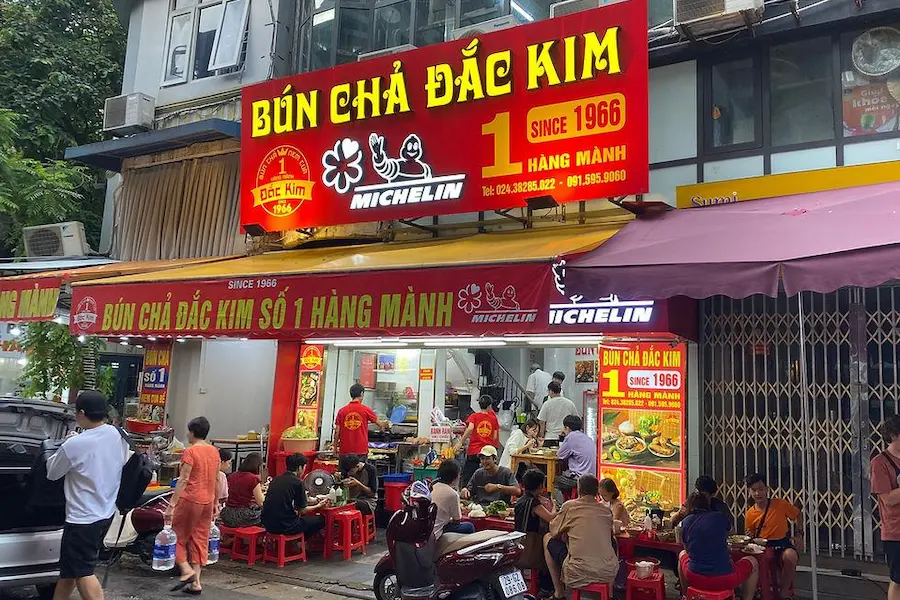
Address: 1 Hàng Mành Street, Hoàn Kiếm, Hanoi
Best for: Visitors wanting traditional bun cha in a central location.
Bún Chả Đắc Kim is one of the most recognized bun cha restaurants in Hanoi’s Old Quarter. Located on Hàng Mành Street, the restaurant has a long history of serving grilled pork and vermicelli to local diners and visitors.
The pork is grilled over charcoal, giving the meat a smoky character and lightly caramelized edges. It is served with rice noodles, herbs, and a dipping sauce that balances savory, sweet, and sour flavors.
The restaurant is particularly convenient for travelers exploring the streets around Hoàn Kiếm Lake, making it an easy stop during a morning of sightseeing.
What to order: Traditional bun cha with grilled pork slices and patties. Consider adding nem rán (fried spring rolls) if available.
Local tip: This is a popular, often busy restaurant. Expect a lively atmosphere rather than a long, leisurely dining experience. Check your order and the current menu price before paying.
2. Bún Chả Hương Liên: The Famous Obama Bun Cha Restaurant
Address: 24 Lê Văn Hưu Street, Hanoi
Best for: Visitors interested in culinary history and a famous Hanoi food landmark.
Bún Chả Hương Liên became internationally famous in May 2016, when former U.S. President Barack Obama shared a meal here with chef and television presenter Anthony Bourdain.
Their visit brought worldwide attention to one of Hanoi’s everyday dishes, turning this family-run restaurant into a memorable stop for travelers interested in the story behind Vietnamese street food.
Despite its international reputation, the restaurant remains centered on a familiar meal: grilled pork, rice noodles, fresh herbs, and dipping sauce.
Visitors can also look for the restaurant’s well-known Obama Combo, which traditionally brings together bun cha, a fried seafood spring roll, and a Hanoi beer.
What to order: A classic bun cha portion, or the Obama Combo if it is available and suits your preferences.
Local tip: The restaurant displays photographs from the famous visit. Come for the food and the story, but remember that its fame does not mean it will necessarily be everyone’s favorite bun cha in Hanoi.
3. Tuyết Bún Chả 34: A Traditional Charcoal-Grilled Lunch
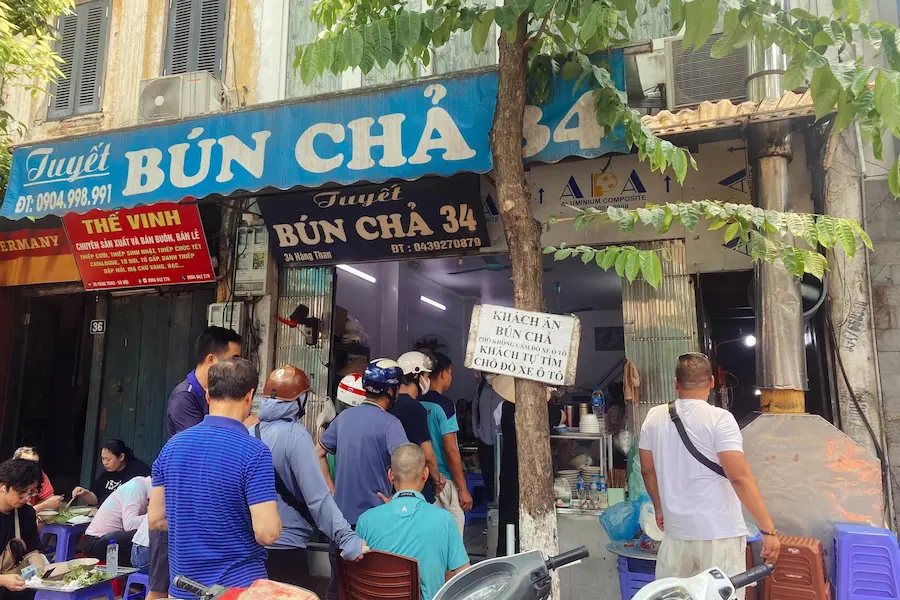
Address: 34 Hàng Than Street, Hanoi
Best for: Travelers seeking a lively, traditional lunchtime experience.
Tuyết Bún Chả 34 is known for its charcoal-grilled pork and modest, bustling setting. The restaurant has received Michelin Bib Gourmand recognition, bringing additional attention to its traditional cooking.
One distinctive feature is the pork patty, which Michelin has described as incorporating aromatic lá xương sông, known in English as lanceleaf blumea.
The combination of grilled pork, rice noodles, and a balanced dipping sauce creates a satisfying Hanoi lunch without elaborate presentation.
The restaurant’s appeal is its straightforward approach. Food is the focus, and diners should be prepared for a compact space that can get crowded.
What to order: Traditional bun cha with pork patties and grilled pork slices, accompanied by a crispy spring roll if available.
Local tip: Plan this as a lunch stop and check the current opening hours. Smaller restaurants may have limited service periods or sell out of popular items.
4. Bún Chả Ta: A Convenient Choice for First-Time Visitors
Address: 21 Nguyễn Hữu Huân Street, Hoàn Kiếm, Hanoi
Best for: First-time visitors, couples, and families looking for a more comfortable dining environment.
Not everyone wants their first Hanoi street-food experience to involve squeezing onto a tiny plastic stool in a narrow alley.
Bún Chả Ta offers a convenient alternative. Located on Nguyễn Hữu Huân Street, the restaurant is accessible from the Old Quarter and is accustomed to welcoming international visitors.
Its classic bun cha includes charcoal-grilled pork, meat patties, noodles, fresh herbs, and dipping sauce. Fried spring rolls are another attraction, with different fillings available.
According to the Michelin Guide, the restaurant also offers vegetarian dishes, although travelers with specific dietary requirements should confirm ingredients and preparation methods.
What to order: Classic bun cha with a side of crispy fried spring rolls.
Local tip: This is a practical choice if you are visiting Hanoi with family members who prefer conventional seating and a more organized restaurant setting. The restaurant is listed as having air conditioning, but facilities should be checked before your visit if they are essential.
5. Bún Chả Hàng Quạt: A Hidden-Alley Old Quarter Experience
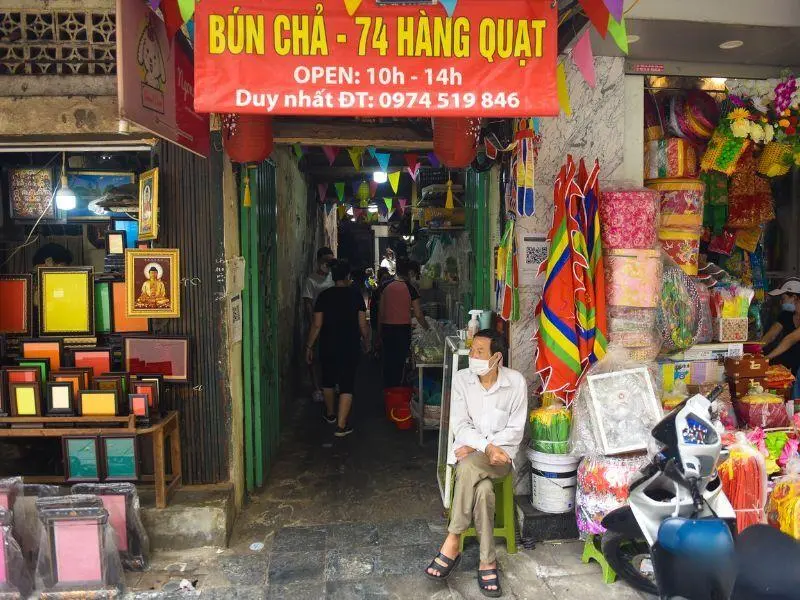
Address: Alley 74 Hàng Quạt Street, Hoàn Kiếm, Hanoi
Best for: Travelers who enjoy small local eateries and discovering food in Hanoi’s narrow lanes.
Some of Hanoi’s most interesting food stops are hidden behind unassuming alley entrances.
Bún Chả Hàng Quạt is one such place. Rather than a large restaurant frontage, visitors enter a narrow lane where the smell of grilled pork leads toward a simple dining area.
The restaurant is associated with traditional bun cha cooked over charcoal, served with rice noodles, fresh vegetables, and dipping sauce.
For travelers who enjoy exploring the Old Quarter beyond its busiest streets, the location adds to the experience. However, the narrow setting may not suit everyone.
What to order: Traditional bun cha with grilled pork and a side of herbs.
Local tip: Confirm the entrance at 74 Hàng Quạt before visiting. Seating and access are limited, so travelers with mobility requirements may prefer a larger restaurant. This is generally a lunchtime choice, not a late-evening option.
6. Bún Chả Chan: A Different Way to Enjoy Hanoi Bun Cha
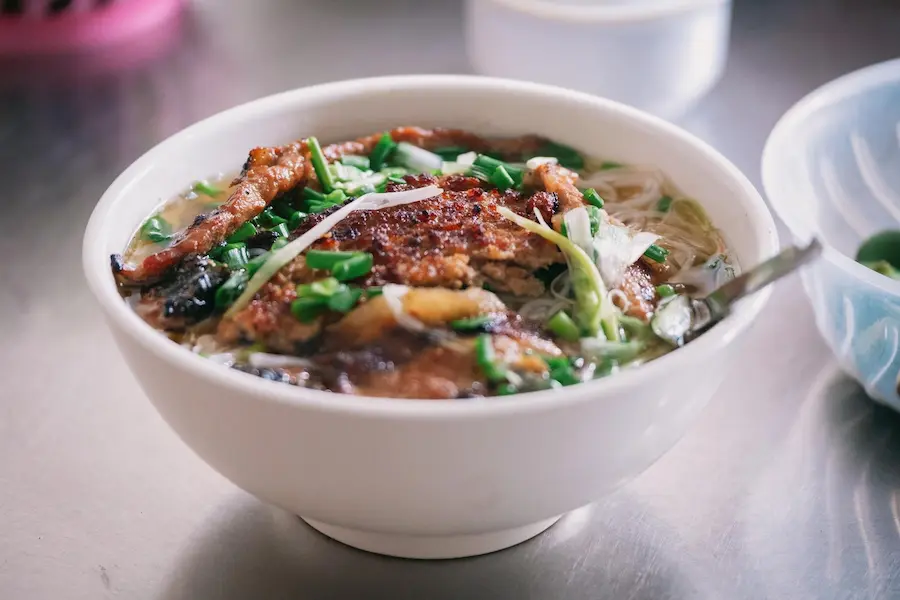
Address: 114 Mai Hắc Đế Street, Hanoi
Best for: Curious food lovers who want to try a variation of the traditional dish.
Most visitors picture bun cha as grilled pork accompanied by a separate bowl of dipping sauce. At Bún Chả Chan, the experience is slightly different.
The restaurant is known for bún chả chan, a version in which rice noodles and grilled meat are served with a more generous amount of hot broth, rather than being eaten only by dipping.
The result is a comforting noodle dish that retains the familiar flavors of grilled pork while offering a different eating experience.
Alongside grilled pork patties, diners may find options such as grilled pork belly or minced beef wrapped in betel leaves. Fried spring rolls are another specialty.
What to order: Bún chả chan to experience the restaurant’s distinctive serving style.
Local tip: This small shop can be busy during lunch. Check its current service hours and arrive with some flexibility, especially if you are planning other timed activities.
Best Bun Cha in Hanoi Old Quarter: Where Should You Go?
If you’re staying in Hanoi’s Old Quarter, you don’t need to travel far to enjoy bun cha.
Three convenient choices are:
Bún Chả Đắc Kim: A good option if you want a famous, traditional restaurant close to the shopping streets and Hoàn Kiếm Lake.
Bún Chả Hàng Quạt: Better suited to travelers who enjoy finding tucked-away eateries and don’t mind basic seating.
Bún Chả Ta: A practical choice for visitors seeking a more comfortable setting, particularly those traveling with family.
Each offers a different experience, even though the core dish remains similar.
The surrounding streets are part of the appeal. You can explore the architecture, small shops, and daily routines described in our guide to Hanoi’s Old Quarter, then stop for bun cha when you’re ready for lunch.
Rather than rushing between several restaurants, choose one location and leave time to wander afterward.
How to Eat Bun Cha Like a Local
If you’ve never tried bun cha before, the separate plates and bowls may seem a little unfamiliar. Fortunately, there’s no complicated etiquette to master.
Step 1: Taste the dipping sauce. Start with a spoonful to appreciate its sweet, savory, and sour balance.
Step 2: Add a small portion of noodles. Take some rice vermicelli with your chopsticks and dip it into the sauce.
Step 3: Combine with grilled pork. Pick up a piece of pork from the bowl and enjoy it with the noodles.
Step 4: Add fresh herbs. Lettuce, mint, and other herbs help balance the richness of the grilled meat. Choose what you enjoy.
Step 5: Adjust the flavors. Some restaurants provide extra garlic, chili, vinegar, or other condiments. Add them gradually rather than changing the entire bowl immediately.
You can eat the ingredients together in the dipping bowl or combine smaller portions with each bite. There isn’t one rigid rule.
If you order nem rán, try dipping a piece into the sauce as well.
How Much Does Bun Cha Cost in Hanoi?
Bun cha is generally an accessible meal, although prices vary according to location, portion size, restaurant reputation, and additional dishes.
Traditional neighborhood eateries may offer more economical portions, while well-known restaurants in tourist areas can charge more.
Before ordering, check whether the price includes noodles and herbs, and whether extras such as fried spring rolls, additional meat, or drinks are charged separately.
Some smaller restaurants prefer cash. Carry Vietnamese dong notes in smaller denominations even if you normally use a bank card when traveling.
It is also worth checking whether prices are listed per serving or for a larger sharing portion.
For an accurate budget, use the current menu at your chosen restaurant rather than relying on older online price lists.
Practical Tips Before Visiting a Bun Cha Restaurant
Go Around Lunchtime
Bun cha is traditionally associated with lunch in Hanoi. Many neighborhood eateries begin preparing grilled pork in the late morning and may finish serving during the early afternoon.
Larger restaurants sometimes have longer opening hours. Check each location individually before setting out.
Follow the Correct Address
Hanoi has restaurants with similar names, and online maps occasionally show multiple branches or outdated listings.
Save the full street address, particularly when visiting an alley restaurant such as Bún Chả Hàng Quạt.
Expect Different Levels of Comfort
Some famous bun cha restaurants have basic seating, shared tables, narrow entrances, or limited air conditioning.
If you’re traveling with young children, older family members, or someone with mobility needs, choosing a more spacious restaurant can make the meal easier.
Check Ingredients if You Have Dietary Restrictions
Traditional bun cha contains pork, and its dipping sauce commonly contains fish sauce.
It is not suitable for vegetarians or people avoiding pork unless a restaurant offers an appropriate alternative. Vegetarian noodle dishes at a restaurant do not necessarily mean its traditional bun cha is vegetarian.
If you have food allergies, ask about the sauce, spring rolls, marinades, and possible cross-contact. A translated allergy card can be especially helpful.
Choose Freshly Prepared Food
Look for restaurants with steady customer turnover and food cooked thoroughly and served hot. Use your judgment about raw vegetables and drinking water.
If you have a sensitive stomach, you may prefer a restaurant with facilities and food-handling practices that make you comfortable.
Is Bun Cha Better Than Pho?
Both are iconic dishes, but they offer very different experiences.
Pho is a noodle soup with beef or chicken, whereas bun cha features grilled pork, rice vermicelli, herbs, and a separate dipping sauce.
If you enjoy aromatic broth and a comforting bowl of noodles, pho may be your first choice. If you prefer smoky grilled meat and a contrast of fresh herbs and tangy sauce, bun cha is especially appealing.
There is no need to choose one permanently. Trying both is a simple way to discover different sides of Hanoi’s food culture.
Frequently Asked Questions About Bun Cha in Hanoi
Where can I find the best bun cha in Hanoi Old Quarter?
Bún Chả Đắc Kim on Hàng Mành Street, Bún Chả Hàng Quạt in the alley at 74 Hàng Quạt, and Bún Chả Ta on Nguyễn Hữu Huân Street are three convenient choices. Each offers a different atmosphere, so choose based on your preferred dining style and current opening hours.
Which bun cha restaurant did Obama visit in Hanoi?
Barack Obama and Anthony Bourdain ate at Bún Chả Hương Liên, located at 24 Lê Văn Hưu Street, during Obama’s visit to Vietnam in May 2016.
Is bun cha spicy?
Traditional bun cha is usually not particularly spicy. Chili is often provided separately, allowing diners to adjust the heat.
Is bun cha eaten for breakfast, lunch, or dinner?
Bun cha is especially popular for lunch in Hanoi. Some restaurants also serve it earlier or later, but many traditional shops have limited lunchtime hours.
Is bun cha gluten-free?
Rice vermicelli is generally made from rice, but the complete dish should not automatically be considered gluten-free. Marinades, sauces, seasonings, and cross-contact may introduce gluten. Confirm ingredients directly with the restaurant if you have celiac disease or gluten sensitivity.
Can I eat bun cha without pork?
Traditional bun cha is a pork dish. Some restaurants offer other noodle dishes or vegetarian alternatives, but those are not necessarily the same as classic bun cha. Check the menu and ingredients before ordering.
Do I need to book a table?
Many small bun cha restaurants operate on a walk-in basis, while some larger establishments may accept reservations. If you are visiting as a group, contact the restaurant in advance where possible.
Discover Hanoi’s Food Culture Beyond Bun Cha
A bowl of bun cha is a delicious introduction to Hanoi, but the city’s food scene extends far beyond grilled pork and noodles.
From market stalls to family-run kitchens, Hanoi’s everyday food traditions offer a window into the people, neighborhoods, and history of Vietnam’s capital.
If you would like to discover more local flavors during your visit, explore our Hanoi Street Food Half-Day Tour, which introduces travelers to a variety of Vietnamese dishes and food experiences.
You can also browse our Hanoi tours and excursions to combine local cuisine with sightseeing, cultural discoveries, and a broader introduction to the city.
Whether you choose a famous restaurant or a small neighborhood favorite, make time for at least one bun cha lunch during your visit to Hanoi.
Editorial note: This guide is based on published restaurant information and local food references, not an independent claim that every restaurant has been personally visited. Opening hours, menus, prices, and restaurant facilities may change. Confirm details before traveling.