
Planning a trip to Vietnam and still on the fence about a Vietnam street food tour? A brand-new global ranking might change your mind. On July 30, 2026, UK-based Time Out magazine published its list of the world’s best street food cities for 2026, and Vietnam did something no other country managed: it placed two cities in the top 10, with Ho Chi Minh City taking the number one spot outright.
For travelers weighing whether a Vietnam street food tour is worth the money, this is about as strong an endorsement as it gets – not from a single food blogger, but from tens of thousands of everyday city residents rating their own hometowns.
Where the Data Came From
The street food ranking wasn’t a standalone list. It was drawn from Time Out’s broader “World’s Best Food Cities 2026” survey, released in June, which polled around 24,000 urban residents across the globe about the food scene where they live. Respondents scored their cities on cost and quality across multiple categories – cafés, breakfast spots, fine dining, and street food specifically.
Time Out has spent 58 years building a reputation in food, culture, arts, and travel journalism, with local expert contributors in cities worldwide. Because the ranking is built on resident feedback rather than editorial opinion alone, it carries a level of on-the-ground credibility that matters if you’re deciding where to spend your food budget on your next Vietnam street food tour.
#1: Ho Chi Minh City (63% Satisfaction)
Ho Chi Minh City topped the entire list. Time Out’s writeup points travelers toward the motorbike-filled alleys around Ben Thanh Market, where the move is simple: grab a plastic stool, order a bowl of pho, or eat a crusty banh mi on the move.
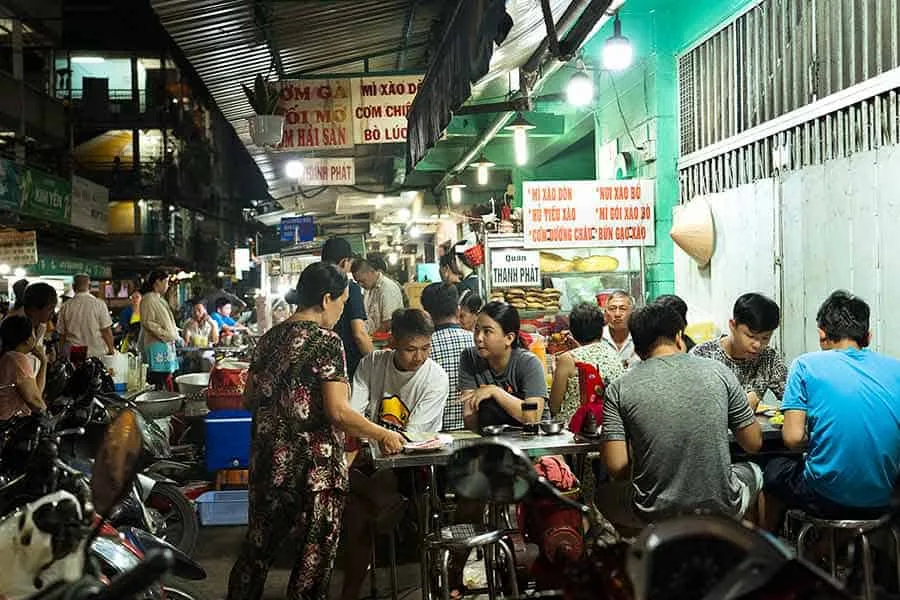
That kind of unscripted, alley-by-alley eating is precisely what a properly run Vietnam street food tour is designed to deliver – a local guide taking you past the stalls a first-time visitor would almost certainly walk right by.
#7 (Top 10): Hanoi (57% Satisfaction)
Hanoi’s entry highlighted the city’s habit of hiding its best food in the least obvious places – down narrow alleys, up cramped stairwells, around unmarked corners. Time Out singled out Banh Mi 25 in the Old Quarter for grilled pork banh mi, a proper northern-style pho tucked deep in a smoky corridor, a spiral staircase spot on Hang Trong street, and Ba Loc for banh cuon – steamed rice rolls filled with minced pork, wood ear mushroom, and shiitake.
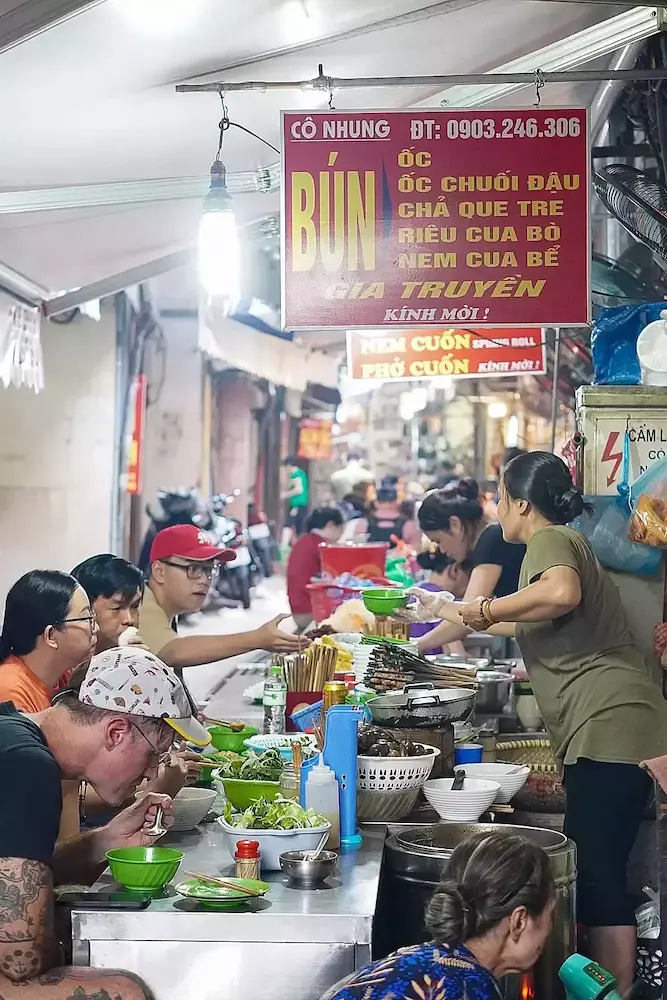
None of these are addresses you’ll stumble onto with a generic map search, which is exactly the gap a well-run Vietnam street food tour is built to close.
The Other Eight Cities on the List
Vietnam’s two entries shared the ranking with:
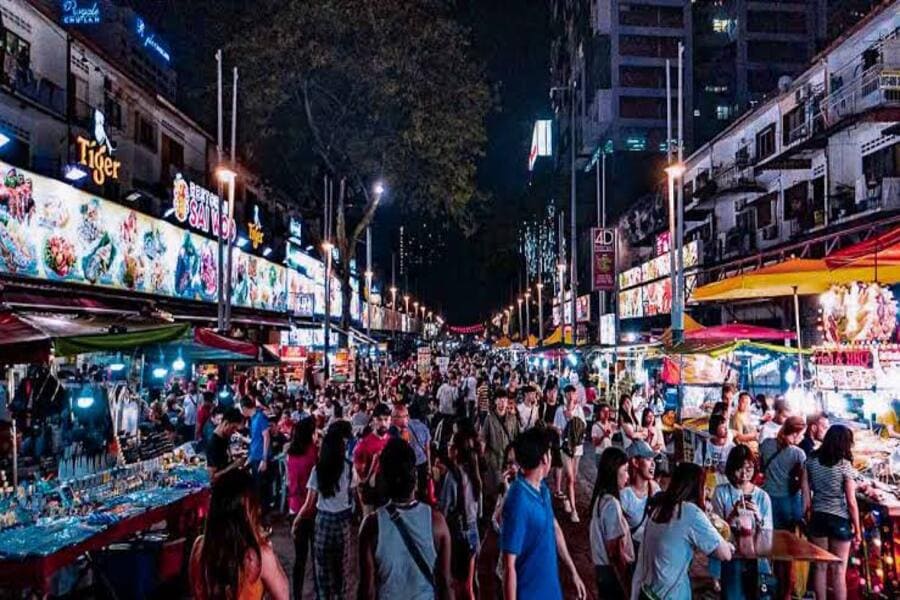
- Kuala Lumpur, Malaysia (62%) – Jalan Alor becomes an open-air night canteen, known for satay, whole grilled fish, and char kway teow cooked over high heat for smoky “wok hei” flavor.
- Jakarta, Indonesia (59%) – Warungs serve spicy nasi goreng and gado-gado with rich peanut sauce.
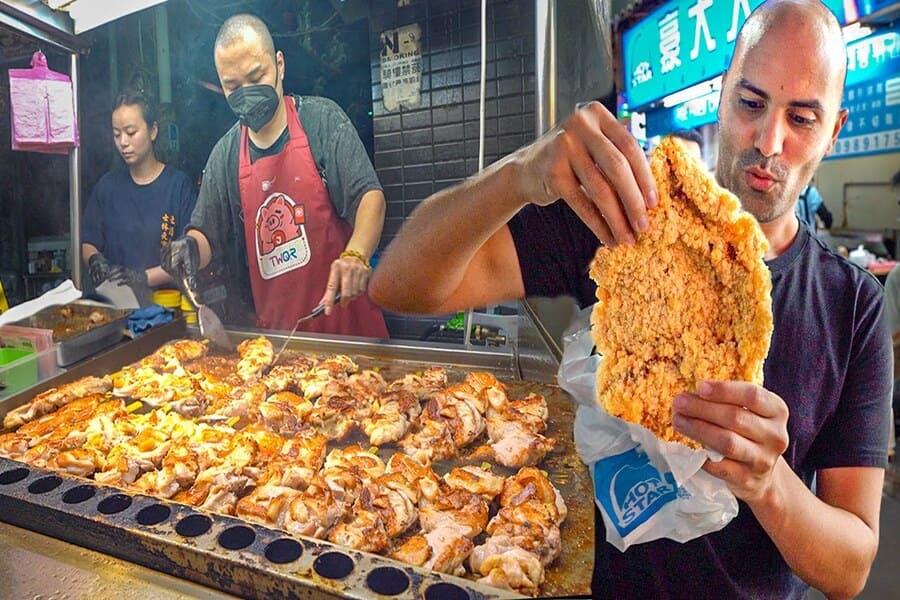
- Taipei, Taiwan (59%) – Night markets such as Shilin offer oyster omelets, stinky tofu, and brown sugar bubble tea.
- Mexico City, Mexico (58%) – Taco al pastor, carved fresh from a spinning vertical spit.
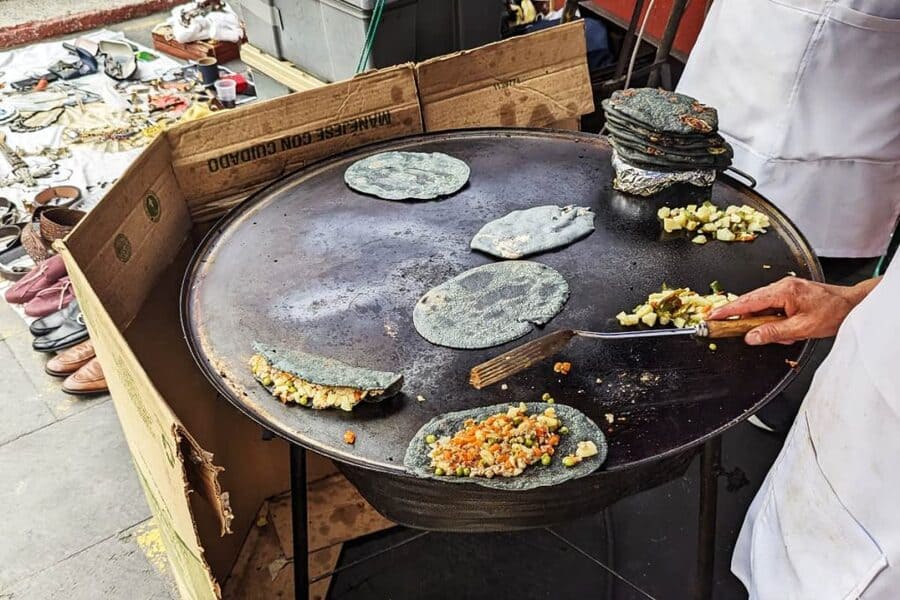
- Manila, Philippines (58%) – Binondo, Quiapo, and Poblacion light up at night with isaw, kwek-kwek, fish balls, and banana cue.
- Johannesburg, South Africa (56%) – Diverse, spice-heavy grilled meat traditions from across South Africa.
- Bangkok, Thailand (56%) – Yaowarat and Chatuchak markets serving pad thai, som tam, and mango sticky rice round the clock.
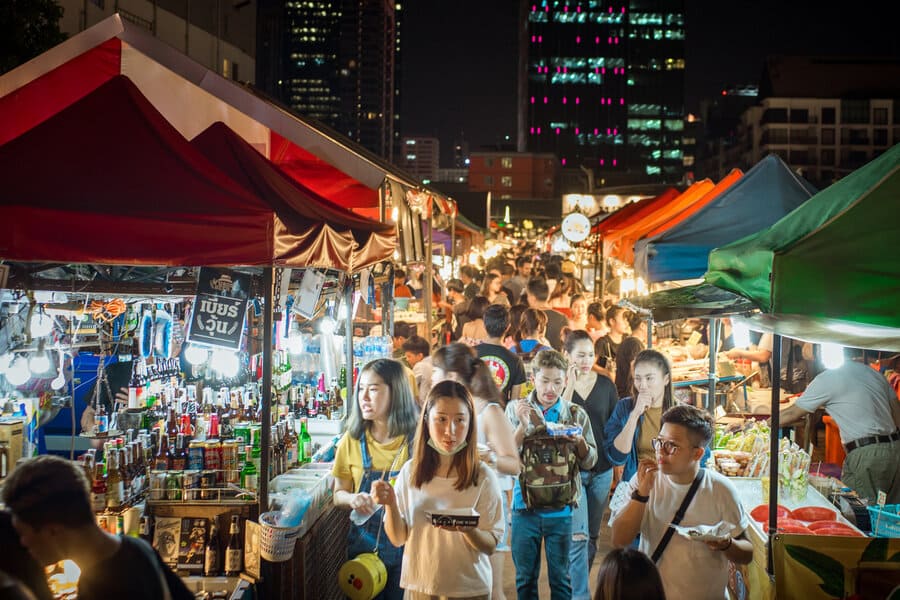
- Mumbai, India (55%) – Vada pav, pav bhaji, and bhel puri anchor a nonstop street food scene.
No other country landed two cities in the global top 10 – a detail that’s easy to skim past but says a lot about how consistently good Vietnamese street food is, from the Red River Delta down to the Mekong.
What Makes Vietnamese Street Food Different
Vietnamese cooking leans on balance rather than heaviness: fresh herbs, clear broths, and a deliberate push-and-pull between sour, salty, sweet, and spicy. It’s also fiercely local – many vendors have sold the exact same dish on the exact same corner for decades, tweaking the recipe slightly over generations instead of overhauling it for visitors.
That local-first, unmarked-stall culture is also why exploring solo can be hit-or-miss. Menus rarely get translated, the best vendors often skip signage entirely, and some dishes only show up at certain hours or during certain seasons. Booking a Vietnam street food tour sidesteps all of that by putting a local guide between you and the guesswork.
Inside a Typical Vietnam Street Food Tour
Most Vietnam street food tour itineraries run three to four hours, on foot or by motorbike, hitting anywhere from six to ten stops. Expect the classics – pho, banh mi, bun cha – alongside dishes visitors rarely find on their own, like banh cuon or bun dau mam tom, with a guide explaining the herbs, sauces, and regional quirks behind each one along the way. Small-group formats tend to work best, since guides can skip a crowded stall, slow down at a favorite, or explain a dish before you order a full portion.
When to Book
Evening tours are the most popular option, since dinner-hour crowds bring out the widest range of vendors, but early-morning tours have a strong case too – that’s when locals actually eat their pho, and stalls are at their freshest. During peak travel months, booking your Vietnam street food tour ahead of time is worth doing, since the most famous stalls can draw a real line.
Quick Questions Before You Book
Is a Vietnam street food tour safe for picky eaters or sensitive stomachs? Reputable operators route guests to vendors they know well and can point out milder options, so you’re not stuck eating something just because it’s on the itinerary.
Do I need to speak Vietnamese to enjoy a Vietnam street food tour? No. That’s largely the point of going with a guide – they order for you, translate what’s on the plate, and explain why locals eat it a certain way.
How much walking is involved? Expect a fair amount, since the appeal of most tours is moving between tightly packed alleys and market corners rather than sitting in one restaurant. Comfortable shoes go a long way.
Plan Your Trip Around It
Time Out’s 2026 ranking backs up what long-time visitors to Vietnam already know: the best meals here rarely come with a tablecloth. They come from a plastic stool on a busy corner, a stall with no sign, and a dish that’s been perfected over decades. If Ho Chi Minh City’s pho or Hanoi’s banh cuon has you rethinking your itinerary, vietnam local tour operators can help you build a trip around it – reach out to our team to start planning your own Vietnam street food tour.