
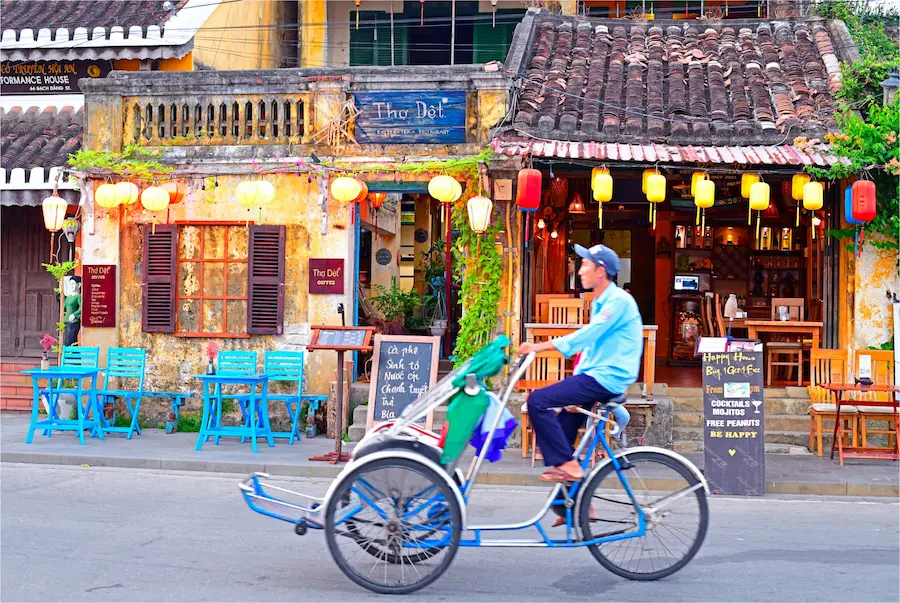
Vietnam can be visited throughout the year, but choosing the right travel period becomes more important when golf is part of the itinerary. Temperature, rainfall and course conditions vary considerably between Northern, Central and Southern Vietnam. Travelers planning a vietnam golf luxury experience should therefore consider not only the weather at each golf destination but also the cultural, beach and leisure activities they want to enjoy between rounds.
There is no single perfect month for every region. Hanoi may offer cool and comfortable playing conditions while Central Vietnam experiences heavy rain, or Phu Quoc may enjoy sunny beach weather while the north becomes cold and misty. Understanding these regional differences helps travelers select suitable destinations, avoid unnecessary disruption and create a journey that balances golf with sightseeing and relaxation.
Can You Play Golf in Vietnam All Year Round?
Golf is available in Vietnam throughout the year, although the experience changes by season and destination. The country’s long, narrow geography creates several distinct climate zones rather than one nationwide weather pattern.
Northern Vietnam has four recognizable seasons, including a cooler winter and a hot, humid summer. Central Vietnam typically experiences dry, hot months followed by a wetter period later in the year. Southern Vietnam remains warm throughout the year but alternates between dry and rainy seasons.
This regional variety gives travelers flexibility. When conditions are less favorable in one part of the country, another region may still offer excellent golf weather. However, travelers planning a multi-destination holiday should avoid assuming that conditions will be the same across the entire route.
Golf in Northern Vietnam
Northern Vietnam includes Hanoi, Ha Long, Ninh Binh and several surrounding golf areas. The region combines established courses with historical attractions, countryside scenery and some of the country’s most recognizable landscapes.

BRG Legend Hill Golf Resort
October to December: Comfortable Golf Conditions
October to December is generally one of the most appealing periods for golf in Northern Vietnam. Temperatures become milder after the summer, humidity decreases and rainfall is often lower than during the preceding months.
These conditions are well suited to golfers who prefer spending several hours outdoors without intense heat. They are also comfortable for exploring Hanoi, joining a street-food tour or taking an overnight cruise in Ha Long Bay.

November is particularly popular because the weather is often dry and pleasant. However, demand for accommodation, guides and tee times can increase during this period. Travelers should reserve important services early, especially when visiting around weekends or major holidays.
January to March: Cooler Weather and Occasional Mist
January and February can be cool, cloudy and sometimes misty in Hanoi and the surrounding provinces. The lower temperatures may be comfortable for golf, particularly for travelers who dislike tropical heat, but early-morning tee times can feel cold.
Visibility may also be reduced on misty days. This is worth considering when selecting scenic courses or planning a Ha Long Bay cruise alongside golf.
Conditions usually begin to warm in March. The month can provide a good balance between manageable temperatures and improved visibility, although light rain and humidity remain possible.
Travelers visiting during this period should bring light layers and a water-resistant jacket rather than packing only summer clothing.
April to September: Heat, Humidity and Summer Rain
April marks the transition toward warmer conditions, while May to August can be hot and humid. Afternoon temperatures may make a full round physically demanding, especially for visitors who are not accustomed to tropical climates.
Golf is still possible, but early tee times are strongly preferable. Starting in the morning allows players to avoid the most intense heat and reduces the chance of afternoon rain interrupting the round.
Summer can also be a rewarding time for sightseeing because landscapes are green and vibrant. Nevertheless, itineraries should include flexibility, shaded rest periods and enough time for hydration and recovery.
September is a transitional month. Temperatures may begin to moderate, but rainfall and unsettled weather can still affect outdoor activities.
Golf in Central Vietnam

Legend Danang Golf Resort
Central Vietnam is one of the country’s most attractive regions for combining golf with beaches, resorts and cultural experiences. Danang and Hoi An provide access to several prominent coastal courses as well as UNESCO-listed heritage sites, wellness facilities and a wide range of restaurants.
The region’s seasonal pattern differs from both Hanoi and Ho Chi Minh City, so timing deserves careful attention.
February to May: The Best Overall Balance
February to May is often the most convenient period for a golf and leisure holiday in Central Vietnam. Rainfall is generally lower, temperatures are relatively comfortable and travelers can combine golf with outdoor sightseeing.
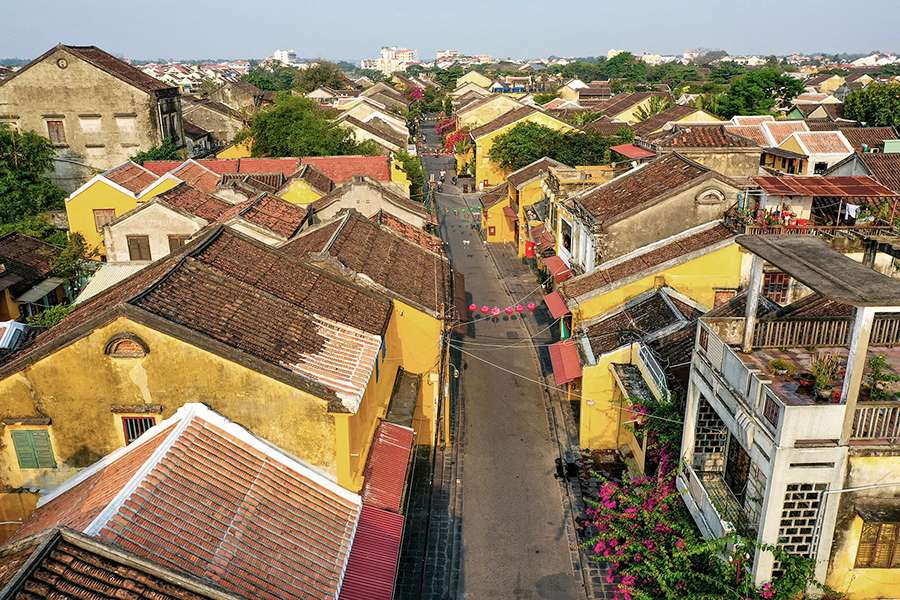
February and March tend to offer milder conditions, making them attractive for travelers who want to visit Hoi An Ancient Town, explore the countryside or include a day trip to Hue.
April and May are warmer, but beach conditions can be appealing. Early tee times remain useful, particularly toward the end of this period when daytime heat begins to increase.
This season is suitable for couples and mixed-interest groups because non-golfers can comfortably enjoy walking tours, spa treatments, cooking classes and beach activities while golfers are on the course.
June to August: Sunny but Hot
June to August usually brings high temperatures and strong sunshine to Danang and the surrounding coastal area. These months may suit travelers who prioritize beach time, but golf requires more thoughtful scheduling.
Morning tee times are the safest and most comfortable option. Golfers should avoid unnecessary exposure during the hottest part of the day and leave the afternoon for swimming, spa treatments or indoor cultural activities.
The benefit of traveling during this period is that the itinerary can combine golf with a classic summer resort experience. Families may also find it easier to travel during school holidays. However, travelers should be realistic about how many rounds they can comfortably complete.
Scheduling rounds on consecutive days may become tiring. Alternating golf days with cultural or leisure days generally creates a more enjoyable pace.
September to January: Rain and Greater Weather Uncertainty
Central Vietnam’s wetter season commonly occurs between September and January. Rainfall can be heavy, and tropical storms may occasionally affect coastal areas. The timing and intensity vary from year to year, so it is not accurate to assume that every day will be wet.
Golf courses may remain open during periods of lighter rainfall, but course conditions and tee-time availability can change. Outdoor sightseeing and boat-based activities may also be affected.
Travelers visiting during this season should keep the itinerary flexible and avoid building the entire trip around several non-refundable rounds. Hotels with strong indoor facilities, spas and restaurants provide useful alternatives when the weather changes.
Hoi An may also experience seasonal flooding, particularly during periods of prolonged heavy rain. Current local conditions should always be checked before traveling.
Golf in Southern Vietnam
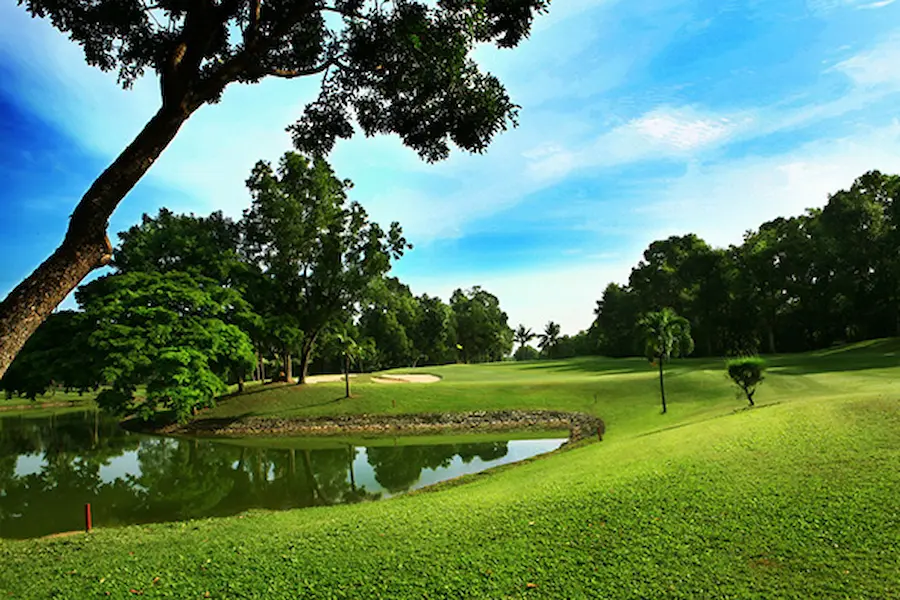
Vietnam Golf & Country Club
Southern Vietnam includes Ho Chi Minh City, Ho Tram, the Mekong Delta and Phu Quoc. The region remains warm throughout the year, with weather usually divided into dry and rainy seasons.
December to April: The Main Dry Season
December to April is generally the most reliable period for golf in Southern Vietnam. Rainfall is lower, skies are often clearer and conditions are suitable for combining outdoor activities.
Ho Chi Minh City can serve as a base for urban sightseeing and golf day trips, while Ho Tram offers a more relaxed coastal atmosphere. Travelers can also add the Mekong Delta or continue to Phu Quoc for a beach stay.
December through February often provides the most comfortable temperatures. March and April can become considerably hotter, particularly around midday. Golfers traveling later in the season should choose early tee times and avoid overly busy afternoon schedules.
This period overlaps with the peak international travel season. Accommodation and popular services may cost more, especially around Christmas, New Year and Vietnam’s Lunar New Year. Early planning is recommended.
May to November: Rainy Season Travel
The southern rainy season generally runs from May to November. This does not usually mean continuous rain throughout the day. Showers are often intense but relatively short, with rainfall more common in the afternoon.
Morning golf can still be practical, especially when tee times are arranged early. Courses may be quieter, and hotels sometimes offer better value than during peak season.
The main disadvantage is uncertainty. Heavy rain can cause temporary delays, and wet course conditions may affect the speed or quality of play. Travelers should leave enough flexibility to rearrange activities when necessary.
September and October are often among the wetter months. Those planning multiple rounds may prefer another period unless they are comfortable with possible schedule changes.
When to Combine Golf with a Beach Holiday
The best beach period depends on the destination. Vietnam’s coastal regions do not all experience dry and rainy weather at the same time.
For Danang and Hoi An, the months from approximately March to August are generally attractive for combining golf with beach time. March and April offer a particularly comfortable balance before the hottest part of summer.
Phu Quoc is commonly more appealing from December to April, when the island experiences its main dry season. This makes it a useful winter escape after a golf and cultural journey through Ho Chi Minh City.
Ho Tram can also be combined with Southern Vietnam travel during the dry season. It is a convenient choice for travelers who want a coastal golf experience without adding another domestic flight.
Guests should still check local forecasts shortly before departure. Even during the dry season, occasional rain or rough sea conditions may affect planned activities.
When to Combine Golf with Cultural Travel
October to April is a useful general window for travelers who prioritize cultural sightseeing, although the most suitable route depends on the specific month.
October and November can be pleasant in Northern Vietnam, while Central Vietnam may experience more rain. February and March are often better for a journey connecting Hanoi, Hue, Hoi An and Southern Vietnam because temperatures are generally manageable across several regions.
Cultural travel involves considerable walking, so moderate temperatures can improve the overall experience. A schedule that combines an early round of golf with an extensive afternoon walking tour may look efficient but can be tiring in hot or humid weather.
It is usually better to reserve full or half days for important heritage sites rather than treating them as short activities squeezed between tee times.
Consider Vietnam’s Public Holidays
Weather is not the only factor that affects travel planning. Public holidays can influence domestic flight availability, hotel prices, traffic and demand for golf tee times.
Tet, or Vietnamese Lunar New Year, is the most important holiday period. Its dates change each year, usually falling between late January and February. Many Vietnamese people travel or return to their hometowns during this period, and some local businesses may temporarily close or operate on reduced schedules.
International visitors can still travel during Tet, and the festive atmosphere may be interesting. However, arrangements should be confirmed well in advance.
Other busy periods include the national holiday around April 30 and May 1, as well as Vietnam’s National Day around September 2. Popular coastal destinations may receive large numbers of domestic travelers during these dates.
Weekends can also be busier at courses near major cities. When possible, schedule golf from Monday to Friday and reserve weekends for sightseeing or resort stays.
Match the Season to Your Travel Priorities
Different travelers have different definitions of ideal weather. Some prefer cool, cloudy days for golf, while others want strong sunshine for beach activities. The best time to travel should therefore be based on the main purpose of the trip.
Consider the following priorities:
- For cooler golf conditions in Northern Vietnam: October to December
- For golf, heritage and beaches in Central Vietnam: February to May
- For Southern Vietnam and Phu Quoc: December to April
- For fewer visitors and potentially better value: selected rainy-season months
- For a multi-region journey: February to March often provides a practical balance
These are general patterns rather than guarantees. Weather varies each year, and climate conditions can change unexpectedly.
How to Build a Weather-Smart Itinerary
A well-designed itinerary should reduce the impact of poor weather rather than depend on perfect conditions every day.
Avoid scheduling an important round immediately after arrival, particularly following a long international flight. Travelers may experience delays, fatigue or problems with checked golf equipment.
When visiting during a wetter season, place golf earlier in the day and keep at least one flexible period in the schedule. Activities such as spa treatments, museums, cooking classes and covered markets can serve as alternatives when outdoor plans change.
It is also sensible to avoid arranging too many consecutive rounds. Alternating golf with sightseeing or leisure days allows the group to recover and makes it easier to reschedule a round if necessary.
For multi-region journeys, consider the direction of travel carefully. A route may begin in Hanoi during favorable northern weather before continuing to a warmer destination in the south. The order should reflect both seasonal conditions and convenient flight connections.
What to Pack for Different Golf Seasons
Lightweight, breathable clothing is useful throughout most of Vietnam, but the packing list should be adjusted by destination and season.
For Northern Vietnam between December and February, golfers may need a light jacket, long trousers and additional layers for early starts. Central and Southern Vietnam usually require sun protection, moisture-resistant clothing and a hat.
A compact rain jacket is useful during transitional and rainy periods. Golf shoes with reliable grip may provide greater stability when the course is wet.
Travelers should also carry sunscreen and a reusable water bottle. Heat and humidity can feel more intense than expected, even when the temperature appears manageable on a weather app.
Final Thoughts
The best time for a golf and leisure holiday in Vietnam depends on where travelers want to go and what they want to do away from the course. Northern, Central and Southern Vietnam follow different seasonal patterns, making regional planning more useful than relying on a single nationwide forecast.
October to December can be excellent for Northern Vietnam, February to May often provides a strong balance in Central Vietnam, and December to April is generally favorable in the south. Travelers visiting outside these periods can still have an enjoyable trip if they choose early tee times, allow flexibility and prepare suitable backup activities.
By matching the route to the season, limiting unnecessary transfers and balancing golf with cultural or leisure experiences, visitors can enjoy Vietnam’s varied landscapes without allowing the weather to control the entire journey.