

Vietnam has become an appealing destination for golfers who want to combine memorable rounds with culture, food, beaches and natural scenery. However, planning a first golf holiday in the country involves more than choosing a few attractive courses. Travelers also need to consider regional weather, travel time, tee-time availability, equipment and activities for non-golfing companions. Specialist resources such as vietnamgolfluxury.com can provide a useful starting point when comparing destinations and designing a suitable itinerary.
From the coastal courses of Central Vietnam to mountain layouts near Hanoi and resort experiences in the south, each region offers something different. The following guide covers the essential decisions first-time visitors should make before booking their trip.
Choose the Right Golf Region
Vietnam is a long country, and its major golf destinations are spread across several regions. Trying to visit too many of them within one trip can lead to frequent flights, long transfers and very little time to enjoy each location.
A better approach is to select one or two regions based on the season, preferred course style and other travel interests.
Northern Vietnam
Hanoi is the main gateway to golf in Northern Vietnam. Courses around the capital offer a mixture of mountain scenery, lakes, wooded landscapes and modern facilities.
The city also gives travelers access to cultural attractions, traditional neighborhoods and a diverse food scene. Non-golfers can explore the Old Quarter, visit museums or join a guided food tour while golfers spend the morning on the course.
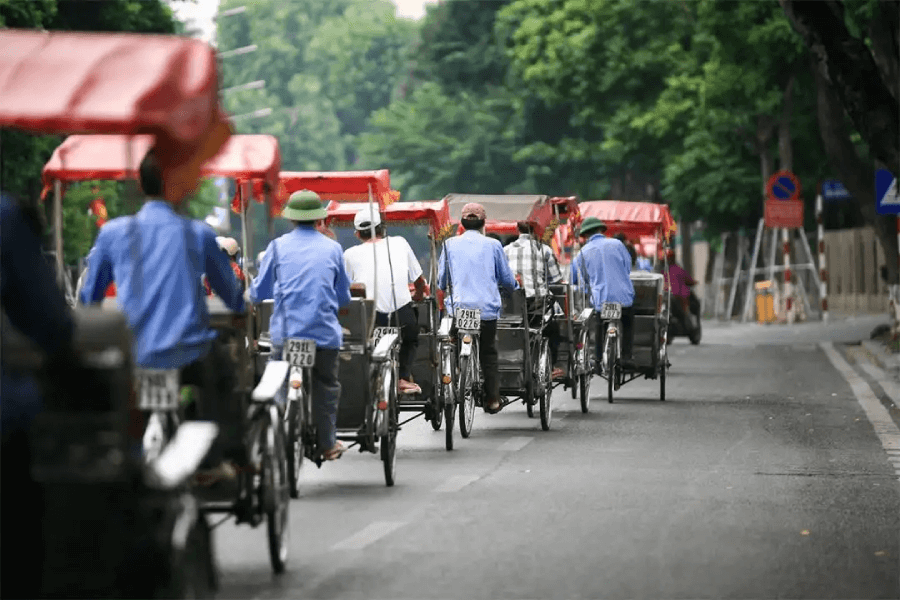
A Northern Vietnam itinerary can also include an overnight cruise in Halong Bay or a countryside extension to Ninh Binh. These shared experiences help create a more varied trip instead of focusing exclusively on golf.
The most comfortable golfing conditions are generally found during autumn and parts of spring. Winter can be cool and misty, while summer is often hot and humid.
Central Vietnam
Danang and Hoi An form one of the country’s most convenient golf destinations. Several courses are located along the coast, allowing travelers to experience different layouts without changing hotels repeatedly.

The region is particularly suitable for couples and mixed-interest groups. While golfers play, their companions can enjoy the beach, visit Hoi An Ancient Town, book a spa treatment or take part in a cooking class.
Central Vietnam also works well for travelers interested in heritage. Hue and My Son Sanctuary can be added to the itinerary, while the resorts around Danang provide plenty of time for relaxation.
February to May is often considered a favorable period for combining golf, sightseeing and beach activities. The later months of the year can bring heavier rain and greater weather uncertainty.
Southern Vietnam
Ho Chi Minh City provides access to several courses and offers a lively urban experience away from golf. Visitors can combine morning rounds with historical sightseeing, food tours, shopping or an excursion to the Mekong Delta.

Ho Tram is a good choice for golfers who prefer a coastal resort environment. It can be reached overland from Ho Chi Minh City, making it possible to combine city exploration and beach relaxation without taking another domestic flight.
Phu Quoc is another option for a slower island stay. It is best suited to travelers who want golf to be one part of a relaxing beach holiday rather than the main focus of every day.
Southern Vietnam is warm throughout the year, but the dry season from approximately December to April generally provides more reliable outdoor conditions.
Decide How Many Rounds to Play
First-time visitors often underestimate how much time each round requires. A standard round may take four to five hours, but the complete outing also includes hotel pickup, transportation, check-in, warm-up time, changing and meals.
As a result, one round can occupy most of the day.
For a seven-day trip, two or three rounds usually provide a comfortable balance. A journey lasting ten to fourteen days may include four or five rounds, especially when visiting more than one region.
Playing every day can become tiring and may leave little time to experience Vietnam beyond the courses. Alternating golf days with sightseeing or leisure days allows travelers to recover and creates more variety.
The goal should not be to visit the highest possible number of courses. A smaller selection of distinctive layouts often produces a more enjoyable and memorable trip.
Book Tee Times in Advance

Golf has become increasingly popular in Vietnam, particularly around major cities and resort destinations. Weekend tee times can fill quickly because courses serve both international visitors and domestic golfers.
Advance booking is especially important during the main travel season, public holidays and major golf events. Groups that require consecutive tee times should reserve even earlier.
Weekday rounds are often easier to arrange and may provide a quieter experience. Travelers should therefore consider scheduling golf from Monday to Friday and using the weekend for sightseeing, cruises or resort stays.
Before confirming a tee time, check what is included in the rate. Depending on the course, the price may cover the green fee, caddie fee and shared golf cart, while other services are charged separately.
Travelers should also review the cancellation and rescheduling policy, especially when visiting during a rainy period.
Understand the Role of Caddies

Caddies are an established part of the golf experience in Vietnam and are generally assigned to players by the course. They can help with club selection, ball tracking, course navigation and reading the greens.
However, language ability and experience can vary. Golfers should communicate clearly and remain patient if detailed technical conversations are difficult.
Caddie fees may be included in the booking price, but gratuities are usually handled separately. It is sensible to confirm the current local practice before the round rather than relying on outdated information from travel forums.
First-time visitors should also remember that a caddie is there to assist, not to be treated as personal service staff. Respectful communication contributes to a better experience for everyone.
Bring Your Clubs or Rent Them?
Travelers can either bring their own clubs or rent equipment in Vietnam. The best option depends on the length of the trip, number of rounds and personal playing preferences.
Bringing a familiar set provides consistency, particularly for experienced golfers. However, oversized baggage fees and airport handling can make transportation more complicated. Golf bags also require suitable vehicles during airport and hotel transfers.
Rental clubs are available at many established courses, but the selection of brands, shaft types and left-handed sets may be limited. Golfers who want to rent should confirm availability in advance rather than assuming the preferred set will be available on arrival.
For one or two casual rounds, rental equipment may be more convenient. For a trip focused heavily on golf, bringing personal clubs is often worthwhile.
Whatever the decision, check the airline’s current sports-equipment policy before booking flights. Baggage allowances can differ between international and domestic routes.
Pack for Vietnam’s Climate
Vietnam’s weather varies by region and season, but heat and humidity are common concerns. Lightweight, breathable golf clothing is useful for most destinations.
Essential items include:
- A hat or visor
- High-protection sunscreen
- A reusable water bottle
- Sunglasses
- A light rain jacket
- Spare gloves and socks
- Insect repellent
- Golf shoes with reliable grip
A light sweater or jacket may be necessary for early tee times in Northern Vietnam during winter. Travelers visiting during the rainy season should bring clothing that dries quickly and prepare for occasional schedule changes.
Golf clubs commonly apply dress codes. Collared shirts and appropriate golf shorts or trousers are generally expected. It is advisable to check individual course requirements before arrival.
Arrange Suitable Transportation
Travel time can look deceptively short on a map. Traffic in and around Hanoi and Ho Chi Minh City may significantly extend a transfer, particularly during busy periods.
Private transportation is usually the most convenient option for golfers carrying clubs. The vehicle should have enough luggage space for the group, especially when several players are traveling together.
When planning a morning round, allow time for traffic, course registration and warm-up. Arriving late may affect the tee-time schedule and place unnecessary pressure on both players and course staff.
Domestic flights are useful when combining regions, but they should not be scheduled too tightly around a golf booking. Delays, baggage collection and airport transfers can make a same-day round stressful.
Ideally, travelers should arrive at a destination at least one day before an important tee time.
Plan for Non-Golfing Companions
A well-designed golf holiday should also work for travelers who do not play. Vietnam makes this relatively easy because many courses are located near cultural attractions, beaches and resorts.
Possible parallel activities include:
- Spa and wellness treatments
- Guided city or food tours
- Cooking classes
- Market and shopping trips
- Beach or pool time
- Museum and heritage visits
- Countryside excursions
- Craft workshops
Timing is important. A round of golf may take longer than a standard half-day tour, so non-golfing activities should not finish several hours before the golfers return.
Groups should also include shared experiences throughout the itinerary. Evening food tours, scenic cruises and relaxed dinners give everyone time to reconnect after following separate daytime schedules.
Avoid an Overloaded Itinerary
Vietnam has many appealing destinations, but including Hanoi, Halong Bay, Danang, Hoi An, Ho Chi Minh City and Phu Quoc in one short trip can result in too much transit.
Every hotel change requires packing, checking out, traveling and checking in again. Domestic flights may use half a day even when the flight itself is relatively short.
For a trip of seven to nine days, one main region plus a nearby extension is usually enough. Travelers could combine Danang and Hoi An, or Ho Chi Minh City and Ho Tram.
A ten- to fourteen-day itinerary can cover two regions more comfortably. For example, visitors may begin with culture and golf in Hanoi before flying to Central Vietnam for coastal courses and relaxation.
Free time should be treated as an intentional part of the trip rather than an empty space that needs to be filled.
Sample 10-Day Golf Itinerary
The following itinerary offers a balanced introduction to Vietnam without excessive travel.
Days 1–3: Hanoi
Arrive in Hanoi and spend the first day recovering from the flight. Explore the Old Quarter and enjoy a local dinner.
Play one round near Hanoi on the second day. Reserve the third day for city sightseeing, museums or a guided food experience.
Days 4–5: Halong Bay
Travel to Halong Bay for an overnight cruise. This shared, golf-free section allows visitors to enjoy Vietnam’s natural scenery and rest before the next part of the journey.
Days 6–9: Danang and Hoi An
Fly to Danang and stay at a coastal resort or in Hoi An. Include two rounds on separate days, leaving the remaining time for the beach, spa treatments and heritage sightseeing.
One evening should be reserved for exploring Hoi An Ancient Town together.
Day 10: Departure
Keep the final morning relaxed. Avoid scheduling a round immediately before an international flight, as delays could create unnecessary risk.
Common Mistakes First-Time Golf Travelers Make
Several planning mistakes can reduce the quality of a golf holiday:
- Booking too many rounds
- Underestimating transfer time
- Assuming the weather is identical across Vietnam
- Failing to reserve rental clubs
- Scheduling important rounds immediately after a flight
- Ignoring the interests of non-golfing companions
- Choosing hotels only because they are near a course
- Leaving weekend tee times until the last minute
Most of these problems can be prevented by planning the route around realistic travel times rather than the maximum number of possible activities.
Final Thoughts
A first golf holiday in Vietnam should offer more than a checklist of courses. The country’s real advantage is the opportunity to combine golf with historic cities, regional food, beaches, scenic landscapes and relaxing resort stays.
Choose one or two suitable regions, book key tee times early and leave enough space between rounds. Consider the needs of non-golfing companions and avoid using valuable holiday time on unnecessary transfers.
With thoughtful planning, golf becomes a rewarding part of a broader Vietnam journey rather than an activity that controls the entire schedule.