
Two weeks is an ideal amount of time to experience Vietnam without turning the holiday into a race between airports, hotels and golf courses. A well-planned journey can include memorable rounds, historic cities, regional food and dramatic natural landscapes. Travelers can use the expertise of Vietnam Golf Luxury when selecting suitable courses and coordinating them with destinations such as Hanoi, Halong Bay, Hoi An and Ho Chi Minh City.
The key is balance. Golf should enhance the journey rather than control the entire itinerary. By limiting the trip to three main regions and placing rest or sightseeing days between rounds, visitors can enjoy both the sport and the wider character of Vietnam.
Why Two Weeks Works Well for a Vietnam Golf Journey
Vietnam is a long country, and travel between its main regions normally requires domestic flights. A seven-day trip usually allows visitors to explore only one area comfortably. Fourteen days provides enough time to connect Northern, Central and Southern Vietnam without changing hotels every night.
A balanced two-week journey may include four rounds of golf. This gives enthusiastic players variety while leaving enough space for cultural experiences and shared activities with non-golfing companions.
The itinerary should ideally contain:
- Four carefully selected golf days
- At least one rest or leisure day between demanding rounds
- Shared cultural and food experiences
- Time for domestic travel
- Flexible periods for weather changes
- Free evenings without fixed activities
- Suitable alternatives for non-golfers
Trying to fit six or seven rounds into the same period may leave travelers tired and reduce the time available for exploring each destination.
Days 1–3: Begin with Culture and Golf in Hanoi
Hanoi is a practical starting point for a journey through Vietnam. The capital introduces visitors to the country’s history, architecture and food while providing access to a range of golf courses outside the city center.

Day 1: Arrival and a Gentle Introduction to Hanoi
The first day should remain relatively light. International visitors may need time to recover from the flight and adjust to the local time zone.
After checking in, travelers can take a short walk through the Old Quarter or around Hoan Kiem Lake. A relaxed local dinner provides an introduction to Northern Vietnamese cuisine without requiring a long scheduled tour.
Avoid booking golf on the arrival day. Flight delays, luggage collection and traffic can make a fixed tee time difficult to manage. Golfers traveling with their own clubs should also confirm that all equipment has arrived safely before leaving the city.
Day 2: Explore Hanoi’s Historic Side
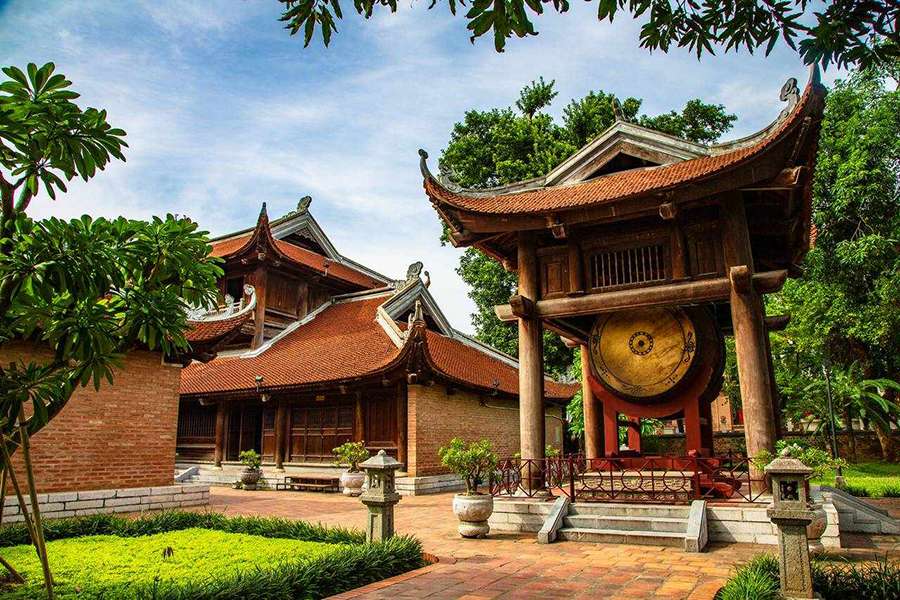
Reserve the second day for a shared sightseeing experience. Depending on the group’s interests, the route may include the Temple of Literature, the Old Quarter, historic villas or one of the city’s museums.
A guided street-food experience can introduce visitors to dishes associated with Hanoi. This is also a useful opportunity to understand local dining customs and learn how different ingredients are used.
The schedule should not be overloaded. Leaving the late afternoon free gives golfers time to prepare for the following day and allows other travelers to explore independently.
Day 3: First Round of Golf
Schedule the first round at a course within reasonable driving distance of Hanoi. An early tee time can help avoid heavier traffic and leave part of the afternoon available for rest.
Non-golfers may choose a spa treatment, market visit, museum tour or traditional craft experience. Their activity should be planned for a similar duration so that no one spends several hours waiting at the hotel.
The evening can be reserved for a shared dinner. Keeping the schedule simple after the first round allows golfers to recover before traveling to Halong Bay.
Days 4–5: Slow Down in Halong Bay
After Hanoi, continue to Halong Bay for an overnight cruise. This part of the itinerary should be golf-free, giving the entire group time to enjoy the same experience.
Day 4: Travel to Halong Bay
The journey from Hanoi usually takes several hours, depending on the departure point and traffic. Upon arrival, visitors board their cruise and begin exploring the bay.
Activities vary by itinerary but may include kayaking, cave visits or time on deck. The limestone scenery provides a dramatic contrast to Hanoi’s busy streets.
An overnight cruise also allows the group to reconnect after following separate activities on the previous golf day.
Day 5: Morning on the Bay and Flight to Central Vietnam
The cruise generally continues through the morning before returning to the harbor. Travelers then transfer back toward Hanoi and fly to Danang.
This will be one of the longest travel days of the itinerary, so no additional tour should be scheduled in the evening. After arriving in Central Vietnam, the group can check into its accommodation and rest.
Choosing a beachfront resort or a property near Hoi An depends on the group’s priorities. Beachfront accommodation offers convenient leisure facilities, while staying closer to the ancient town makes evening exploration easier.
Days 6–9: Golf, Heritage and Food in Central Vietnam
The Danang and Hoi An area is particularly suitable for combining golf with cultural and leisure activities. Several courses can be reached from the same accommodation, reducing the need for repeated hotel changes.
Day 6: Second Round and Hoi An Evening
Golfers can begin the Central Vietnam section with a morning round. Coastal terrain and sea breezes may produce different playing conditions from those experienced near Hanoi.
Non-golfers can enjoy the resort, book a wellness treatment or spend the morning at the beach. Another option is a cooking class that includes a local market visit.
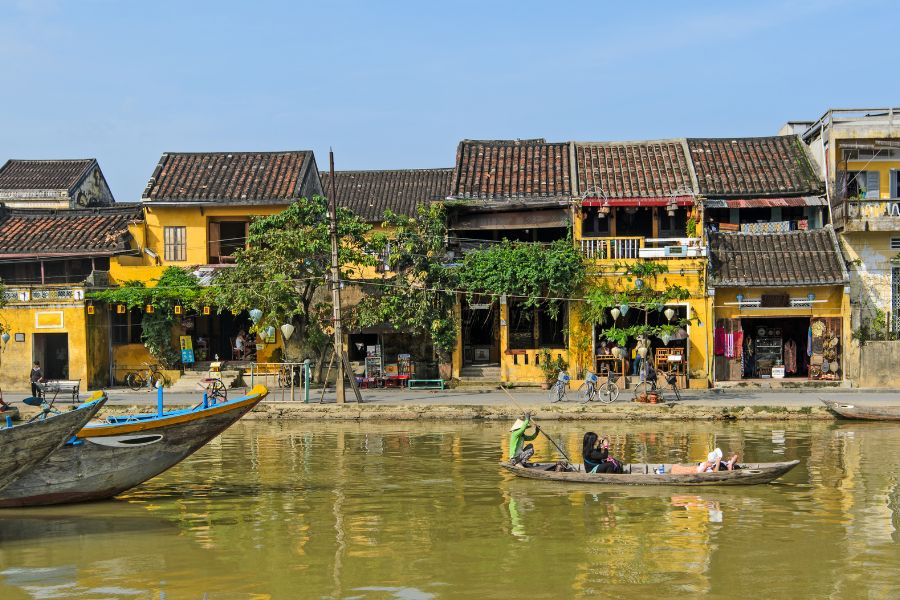
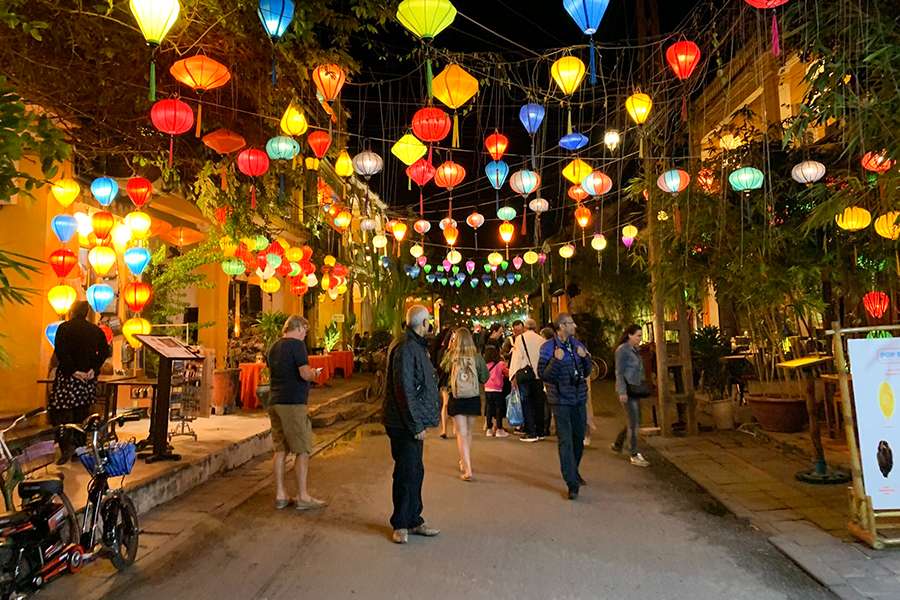
In the late afternoon, the group can travel to Hoi An Ancient Town. The historic streets, traditional buildings and riverside setting are especially atmospheric in the evening.
Dinner should be relaxed rather than treated as another tightly organized event. Travelers may choose several regional dishes to share and explore the town at their own pace.
Day 7: Hoi An Culture and Countryside
Keep the seventh day free from golf. A guided walking tour can introduce visitors to the architecture and trading history of Hoi An.
The afternoon may include a countryside experience, craft workshop or cycling excursion. Travelers who prefer a slower pace can return to the resort or explore the town independently.
This day can also be used as a weather buffer. If the previous golf round is affected by rain, the schedule may be adjusted without disrupting an important domestic flight.
Day 8: Third Round of Golf
Schedule a second Central Vietnam round on the eighth day. Choosing a course with a different landscape or playing style provides more variety.
While the golfers play, non-golfers might visit Danang’s museums and markets, enjoy a spa session or take a private sightseeing tour.
The afternoon should remain open. Consecutive evening tours can make the journey feel more exhausting than expected, especially after several days of travel.
Day 9: Shared Leisure or Heritage Excursion
Use the final full day in Central Vietnam for a shared experience. Depending on the group’s energy and interests, this could be a beach day, countryside visit or excursion to a nearby heritage attraction.
A free day is equally valid. Not every part of a two-week holiday needs to contain a formal tour. Time beside the pool, at the spa or exploring local cafés can improve the overall rhythm of the journey.
Days 10–12: Discover Ho Chi Minh City
Fly from Danang to Ho Chi Minh City for the final urban section of the trip. Southern Vietnam offers a different atmosphere, cuisine and historical perspective.
Day 10: Travel and City Introduction
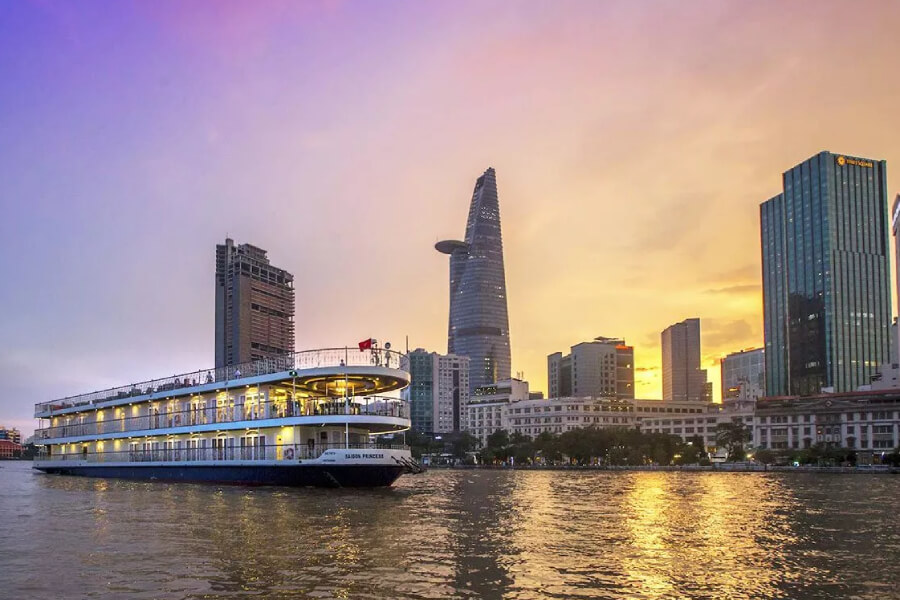
Take a morning or early-afternoon flight to Ho Chi Minh City. After checking in, begin with a short orientation walk or private city tour.
Travelers can explore central landmarks, traditional markets or neighborhoods that reflect different periods of the city’s development.
Dinner may focus on Southern Vietnamese food, which often differs in flavor and ingredients from dishes found in Hanoi and Central Vietnam.
Day 11: Fourth Round of Golf
The fourth and final round should be scheduled near Ho Chi Minh City. Since traffic can be unpredictable, allow generous transfer time and avoid choosing a tee time immediately after the morning rush period without local advice.
Non-golfers can visit museums, explore markets, join a food-focused activity or spend time shopping. A private driver may provide greater flexibility than a fixed group tour.
This final round gives golfers an opportunity to experience a third regional environment. It also completes the golf portion of the journey without placing another round too close to the international departure.
Day 12: History, Architecture and Local Food
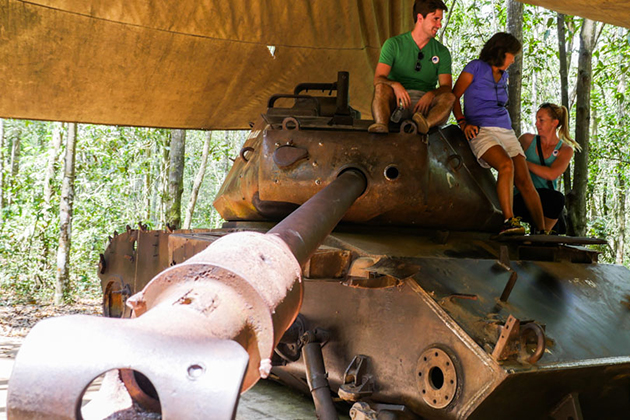
Dedicate the day to exploring Ho Chi Minh City together. Rather than attempting to visit every major attraction, select a few locations connected by a clear theme.
A historical tour may focus on key landmarks and museums, while an architectural route can explore colonial-era buildings, traditional temples and modern districts.
Food remains an important part of the city experience. A guided tasting tour can introduce dishes and neighborhoods that visitors may not discover independently.
Day 13: Take a Mekong Delta Excursion
The Mekong Delta adds a rural and river-based experience to the itinerary. Depending on the group’s preferences, travelers can take a day trip or stay overnight.
A day trip is more convenient for a two-week itinerary, but the destination should be chosen carefully. Traveling too far into the delta may result in several hours on the road and limited time for actual activities.
A well-paced excursion may include a boat journey, visits to local workshops and an introduction to regional agriculture. Travelers should choose experiences that engage respectfully with local communities rather than treating everyday life as a performance.
After returning to Ho Chi Minh City, keep the evening free for rest or a final dinner.
Day 14: Departure
The final day should contain minimal scheduling. Travelers can enjoy breakfast, pack and complete any last-minute shopping before transferring to the airport.
Avoid arranging golf or a long excursion on departure day. Traffic delays or an extended activity could create unnecessary stress before an international flight.
For an evening departure, a late checkout or access to hotel facilities may be more valuable than adding another sightseeing stop.
How to Select the Right Four Courses
A two-week journey does not need to include every highly rated course in Vietnam. Course selection should support the route rather than force travelers to make inconvenient transfers.
Consider the following factors:
- Distance from the hotel
- Expected weather and course conditions
- Preferred landscape and level of difficulty
- Weekday or weekend availability
- Rental club requirements
- Interests of non-golfing companions
- Travel time on the previous and following days
Selecting courses with contrasting environments can make the trip more memorable. A parkland or mountain-influenced course in the north, two coastal layouts in Central Vietnam and a Southern Vietnam course can provide plenty of variety.
Plan for Non-Golfing Companions
Mixed-interest travel requires more than offering non-golfers a spa treatment every time golfers leave the hotel. Alternative experiences should reflect their actual interests.
In Hanoi, options may include heritage walks, museums and food tours. Hoi An offers craft workshops, cooking classes and countryside activities. Ho Chi Minh City provides shopping, architecture, history and varied neighborhood experiences.
Non-golfers should also have the option to leave time unscheduled. Some travelers may prefer enjoying the hotel or exploring independently rather than joining a formal excursion.
The group should agree on several shared experiences before departure. The Halong Bay cruise, Hoi An visit, cultural touring and Mekong Delta excursion provide natural opportunities for everyone to spend time together.
Avoid Common Itinerary Mistakes
A two-week journey can still feel rushed if it is planned poorly. Common mistakes include:
- Scheduling golf immediately after an international or domestic flight
- Playing on several consecutive days
- Changing hotels too frequently
- Underestimating airport and road transfer times
- Filling every free period with another tour
- Ignoring regional weather differences
- Planning nothing meaningful for non-golfers
- Booking important tee times too late
The solution is not necessarily to extend the trip. Removing one unnecessary destination or round can often improve the experience considerably.
Adjust the Route to the Season
The Hanoi–Halong Bay–Central Vietnam–Ho Chi Minh City route works best when weather conditions are reasonably suitable across all three regions. February and March may provide a practical balance, although no period guarantees perfect weather everywhere.
During late autumn, Northern Vietnam may offer comfortable conditions while Central Vietnam experiences heavier rain. In this case, travelers could focus more heavily on Hanoi and Southern Vietnam.
During summer, early tee times become particularly important because of heat and humidity. The itinerary should include more rest time and fewer demanding afternoon excursions.
Regional weather should always influence the final route. Travelers should not keep a destination simply because it appeared in the original plan.
Final Thoughts
A two-week Vietnam golf itinerary works best when it is designed as a complete journey rather than a sequence of tee times. Four rounds across three regions provide sufficient variety without overwhelming the schedule.
Hanoi introduces the country’s culture and history, Halong Bay creates time for shared relaxation, Central Vietnam combines coastal golf with heritage, and Ho Chi Minh City adds a different urban and culinary perspective. The Mekong Delta then offers a final change of pace before departure.
By limiting hotel changes, separating demanding activities and creating meaningful options for non-golfers, travelers can enjoy Vietnam’s courses while still experiencing the destinations that surround them. The result is a balanced holiday in which golf, culture and food support one another instead of competing for time.