
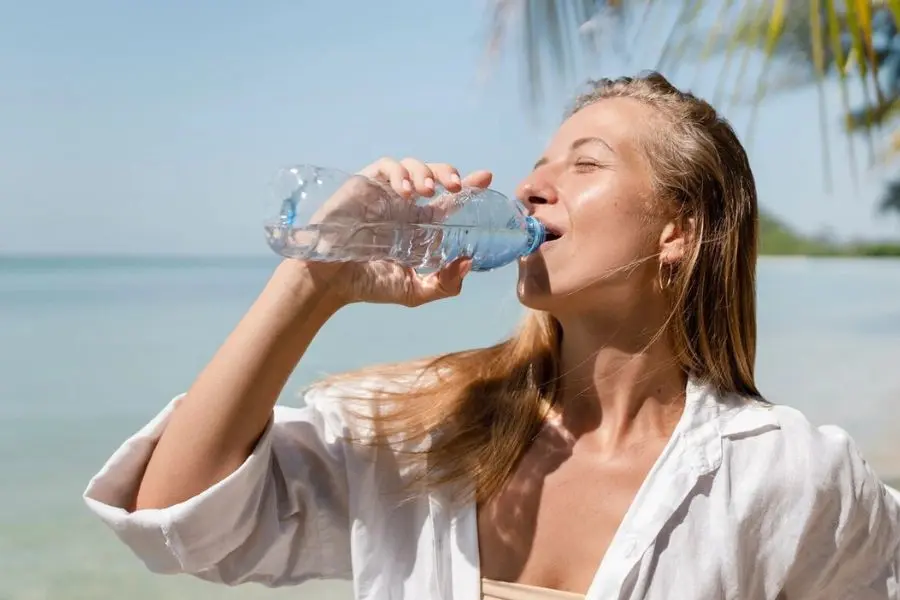
Drinking water may not be the first thing on your Vietnam travel checklist, but it quickly becomes important once you arrive. Can you drink from the hotel tap? Is the ice in Vietnamese coffee safe? Where can you refill your bottle during a long road journey?
For first-time visitors, drinking water in Vietnam is generally easy to manage once you understand the basic rules. Untreated tap water should be avoided, while sealed bottled water and properly purified water are widely available. Reliable vietnam local tour operators also help travelers identify safe drinking water, suitable rest stops and trustworthy food establishments throughout their journey.
Here is what you need to know before filling your bottle or ordering that first iced coffee.
Is Water Safe to Drink in Vietnam?
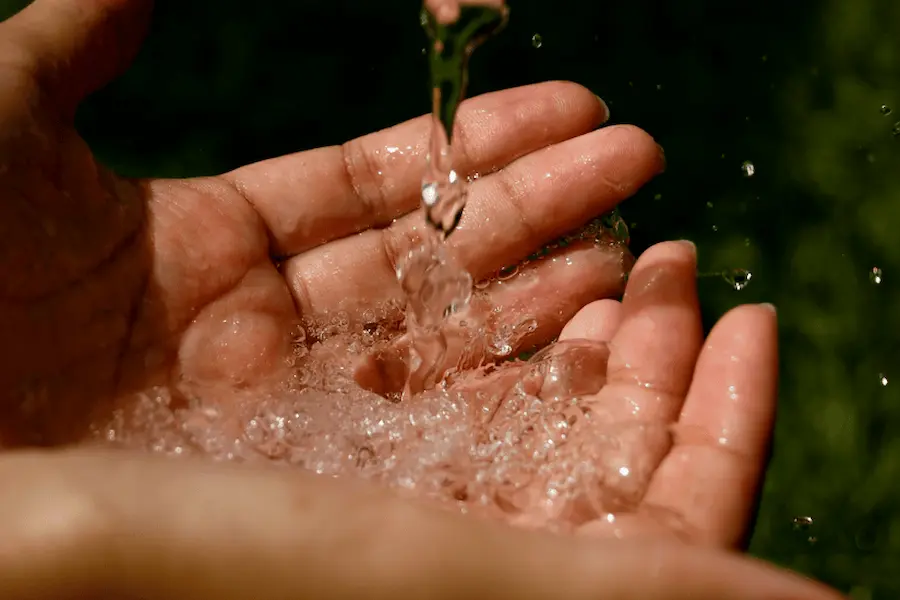
Untreated tap water is not recommended for drinking in Vietnam, including in major cities such as Hanoi, Ho Chi Minh City and Da Nang.
Urban water normally undergoes treatment before entering the distribution system. However, its condition can be affected by aging pipes, storage tanks and the internal plumbing of individual buildings. Water quality may therefore differ between cities, rural communities and even neighboring hotels.
The Centers for Disease Control and Prevention advises travelers to avoid drinking tap water in Vietnam. Bottled, properly boiled or reliably purified water is the safer choice.
This advice is not only for foreign visitors. Many Vietnamese families also avoid drinking directly from the faucet. Instead, they boil water, install household filtration systems or order large containers of purified water.
You can still use tap water for showering, washing your hands and doing laundry. Just try not to swallow it, particularly if you are staying in an area where the water supply or plumbing condition is uncertain.
What Water Do Vietnamese Locals Drink?
There is no single answer because habits vary by household, location and budget. Common sources of drinking water in Vietnam include:
- Water boiled at home and allowed to cool
- Water from household purification systems
- Large refillable containers delivered by water suppliers
- Factory-sealed bottled water
- Purified water provided by offices, schools and hotels
Boiled water remains common, especially in family homes. Modern apartments and businesses are increasingly equipped with filtration or purification systems, while large commercial water containers are widely used in offices and restaurants.
Travelers should not assume that water in an unsealed jug is unsafe, as it may be purified or boiled. However, if its source is unclear, it is reasonable to ask before drinking it.
Bottled Water in Vietnam
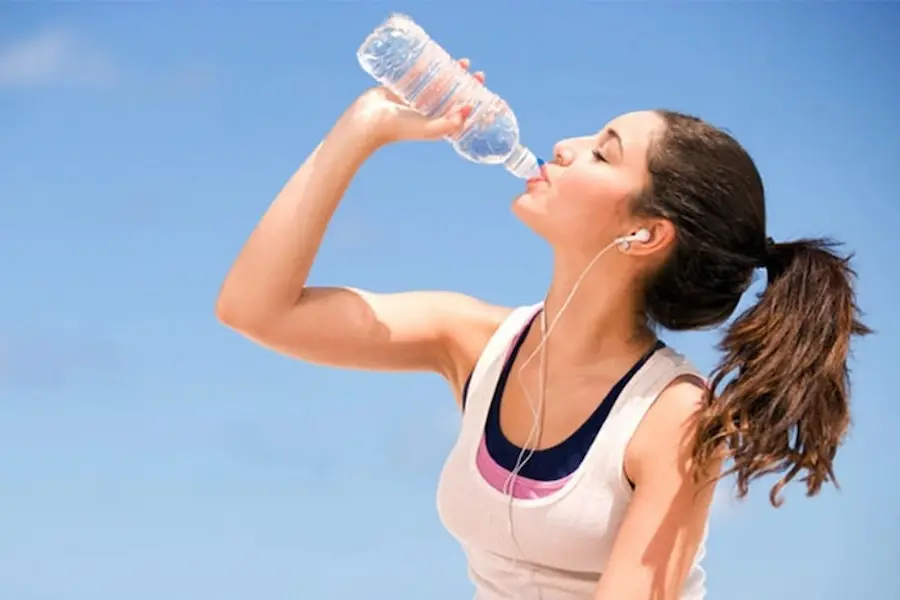
Bottled water is the simplest and most convenient option for most international travelers. It is available at airports, supermarkets, convenience stores, hotels, restaurants and small neighborhood shops.
When purchasing bottled water, check that:
- The cap is firmly closed.
- The safety ring is still attached.
- The bottle has not been refilled.
- The water appears clear.
- The label and expiry information are legible.
- The bottle has not been left in direct sunlight for a long period.
Major tourist destinations have no shortage of bottled water. However, it is wise to carry extra water when visiting remote villages, national parks or mountainous areas where shops may be less frequent.
Single-use plastic remains an environmental concern. Instead of buying several small bottles each day, consider purchasing a larger bottle for your hotel room and using a reusable bottle while exploring.
Do Vietnam Hotels Provide Free Drinking Water?
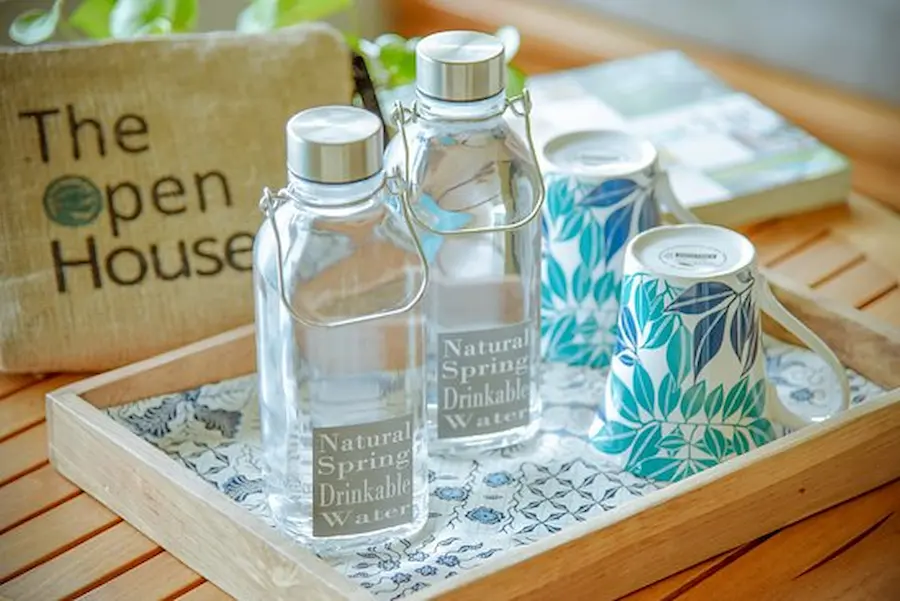
Most hotels in Vietnam provide complimentary drinking water, although the quantity and presentation vary.
A typical room may include one or two bottles per guest per day. Luxury and environmentally responsible hotels increasingly provide purified water in reusable glass bottles or install refill stations on each floor.
Be careful not to confuse complimentary water with minibar products. Hotels sometimes place free bottles near the kettle or desk while keeping chargeable water inside the minibar. Ask reception if the labeling is unclear.
Never assume that the bathroom tap is safe simply because you are staying in an expensive hotel. Unless the property specifically identifies the water as potable, use the bottled or purified water provided.
If you need more, ask housekeeping or reception. Additional water may be complimentary or available for a small charge.
Is Ice Safe in Vietnam?
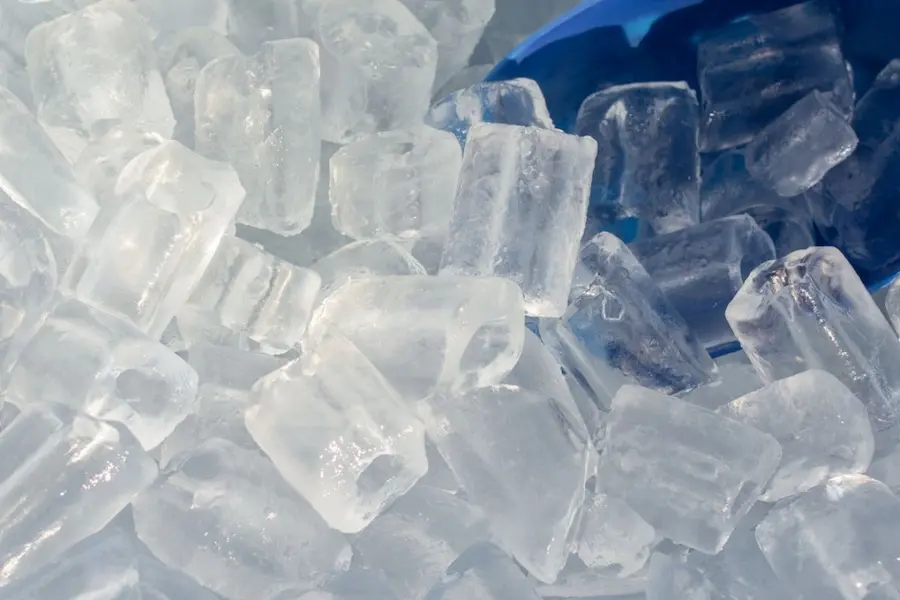
Ice is one of the most common concerns associated with drinking water in Vietnam. The good news is that reputable hotels, restaurants and busy cafés generally use commercially produced ice made from purified water.
Machine-produced ice often appears as clean cylindrical cubes, sometimes with a hole through the center. However, shape alone cannot guarantee safety. Storage and handling also matter.
Choose establishments where:
- Drinks are prepared in a reasonably clean area.
- Ice is stored in a covered container.
- Staff use a scoop rather than their hands.
- There is a steady flow of local customers.
- Food and drinks are prepared fresh.
If an establishment looks unhygienic or the ice has been stored uncovered, order your drink without it. In Vietnamese, say “không đá”, meaning “no ice.”
There is no need to avoid every iced drink in Vietnam. Vietnamese iced coffee, fresh juice and sugarcane juice are part of the local experience. The sensible approach is to choose your vendor carefully instead of assuming all ice is dangerous.
Can You Refill a Water Bottle in Vietnam?
Water refill stations are becoming more common, particularly at modern hotels, airports, offices and environmentally conscious businesses. Some tour vehicles and cruise operators also carry large containers of purified water for guests.
Before refilling, confirm that the station provides potable or purified water. Do not refill your bottle from a bathroom faucet or an unidentified tap.
A reusable bottle is particularly useful for:
- City walking tours
- Cycling excursions
- Long-distance road journeys
- Halong Bay cruises
- Trekking in Sapa or Ha Giang
- Visits to rural communities
- Beach and island trips
Clean your reusable bottle regularly and allow it to dry properly. Repeatedly topping up a bottle without washing it can create a hygiene problem even when the water itself is safe.
Drinking Water During Vietnam Tours
Travel conditions can change considerably between destinations. A traveler may move from a city hotel to a cruise, then continue by train or private vehicle to a rural area. Planning water stops becomes more important on these multi-destination journeys.
During road trips
Private tours normally include planned rest stops where guests can use the bathroom and purchase drinks. Some operators also provide bottled water in the vehicle.
Carry a small bottle with you rather than packing all your water inside a suitcase stored in the luggage compartment. For longer drives, your guide can tell you when the next suitable stop is expected.
On overnight trains
Vietnamese trains sell bottled water and other drinks, but the available selection may be limited. Bring enough sealed water for the journey, particularly if you are traveling overnight.
Do not rely on water from the train’s bathroom for drinking or brushing your teeth. Keep a separate bottle of safe water within reach of your berth.
On Halong Bay cruises
Reputable cruises provide bottled or purified water in cabins and dining areas. Complimentary allowances differ between operators, and additional drinks may be charged separately.
Check what is included before departure. Once the cruise has left the harbor, buying supplies independently is obviously no longer convenient.
In remote and mountainous areas
Water is usually available at accommodations and local shops, but options may be limited outside major towns. Bring additional water for trekking, cycling or long walking activities.
Ask your guide whether purified refill water is available before buying multiple disposable bottles. Local teams understand where reliable supplies can be found along the route.
Can You Brush Your Teeth with Tap Water?
Many Vietnamese residents and long-term expatriates use tap water for brushing their teeth without problems. Nevertheless, cautious short-term travelers may prefer bottled, boiled or purified water, especially during the first few days of their trip.
The CDC recommends using bottled or disinfected water for brushing teeth when tap-water quality is uncertain.
This precaution is particularly appropriate for:
- Young children who may swallow the water
- People with sensitive stomachs
- Travelers with weakened immune systems
- Visitors staying in remote areas
- Anyone whose accommodation has questionable plumbing
Keep one bottle near the bathroom sink so that you do not accidentally use it for drinking later.
Is Boiled Tap Water Safe?
Correct boiling can kill many disease-causing microorganisms. According to the CDC’s water disinfection guidance, water should be brought to a full rolling boil for one minute. At elevations above approximately 2,000 meters, the recommended time increases to three minutes.
After boiling, allow the water to cool naturally and store it in a clean, covered container.
Boiling does not remove every possible chemical contaminant, so it should not be treated as a solution for visibly dirty water or water affected by an official “do not drink” notice. For most travelers, sealed bottled water or water from a verified purification system is more convenient.
If using a hotel kettle, inspect it first. If it appears unclean, request hot drinking water from the hotel instead.
Can You Drink Tea and Coffee in Vietnam?
Hot tea and traditionally prepared coffee are generally considered low-risk when made with properly boiled or purified water. Established hotels and cafés commonly use filtered water for drinks because water quality also affects flavor.
However, not every coffee machine brings water to a full boil. If you have specific health concerns, ask whether filtered water is used.
For iced drinks, consider both the water used in the beverage and the handling of the ice. A busy, well-maintained café is usually a better choice than a stall where ingredients have been left uncovered for long periods.
What About Fruit, Salads and Cooking?
Tap water is commonly used for cooking in Vietnamese households, especially when food will be boiled thoroughly. Greater care is advisable for food eaten raw.
Bottled, boiled or purified water is preferable for:
- Washing fruit eaten with the skin
- Preparing cold dishes
- Mixing infant formula
- Making ice
- Taking medication
- Preparing drinks that will not be heated
Fruit that can be peeled – such as bananas, oranges, mangoes and dragon fruit – is a convenient option. When ordering salads or cut fruit, choose restaurants and hotels with professional food-handling practices.
This does not mean travelers need to fear fresh Vietnamese food. Selecting busy, reputable establishments is more practical than avoiding entire categories of food.
How Much Water Should You Carry?
Vietnam’s heat and humidity can surprise travelers, especially during walking tours or outdoor activities. How much water you need depends on the weather, activity level, personal health and advice from your medical professional.
Rather than carrying an unnecessarily heavy supply, drink regularly and refill or purchase water at appropriate stops. Bring extra for routes where shops are limited.
Signs such as unusual thirst, dizziness or feeling unwell should not be ignored. Rest in a cool place, drink safe water and seek appropriate assistance if symptoms continue.
Travelers with medical conditions should follow personalized advice from a qualified healthcare professional rather than relying on a general travel guide.
What If You Accidentally Drink Tap Water?
One accidental sip does not guarantee that you will become ill, so there is no reason to panic.
Continue using safe drinking water in Vietnam and monitor how you feel. If you develop persistent digestive symptoms, fever, signs of dehydration or another concerning reaction, contact a qualified medical professional.
Avoid taking antibiotics or unfamiliar medication without appropriate advice. Several conditions can cause similar symptoms, and the correct response depends on the actual cause and your health history.
Quick Water Safety Checklist
Keep these simple rules in mind:
- Avoid drinking untreated tap water.
- Choose sealed bottled or verified purified water.
- Check the safety ring before opening a bottle.
- Confirm that refill stations provide potable water.
- Use safe water for brushing if you have a sensitive stomach.
- Choose ice from reputable cafés and restaurants.
- Carry additional water for remote journeys.
- Clean reusable bottles regularly.
- Ask your guide or hotel staff when the water source is unclear.
- Do not let water worries prevent you from enjoying local food and drinks sensibly.
Frequently Asked Questions
Is bottled water expensive in Vietnam?
Bottled water is generally inexpensive and widely available. Prices may be higher at airports, luxury hotels, cruise ships and remote attractions than at supermarkets or convenience stores.
Can I drink water served in a restaurant jug?
It may be boiled or purified, but an unsealed jug does not reveal its source. Ask whether the water is filtered or order a factory-sealed bottle if you are uncertain.
Is drinking water available on private tours?
Many private operators provide bottled water in their vehicles, but inclusions vary. Confirm what is supplied before departure, especially for long road journeys or outdoor activities.
Can children drink tap water in Vietnam?
Children should use bottled, correctly boiled or reliably purified water. Young children should also use safe water for brushing their teeth because they are more likely to swallow it.
Are hotel refill stations reliable?
Official refill stations at reputable hotels are generally intended to provide purified drinking water. Check the label or ask staff rather than using an unidentified tap.
Final Thoughts on Drinking Water in Vietnam
Managing drinking water in Vietnam is straightforward: avoid untreated tap water and choose sealed bottled, properly boiled or verified purified water instead.
You can shower, wash your hands and do laundry normally. Ice from reputable businesses is widely consumed, and safe refill options are becoming easier to find. During road trips, cruises, train journeys and visits to remote areas, carry enough water until the next planned stop.
These precautions should become a simple travel habit, not a source of constant anxiety. With sensible choices and support from knowledgeable local staff, you can spend less time inspecting every glass and more time enjoying Vietnam’s landscapes, cuisine and everyday culture.