

An unexpected announcement from the cockpit can make even experienced travelers nervous. If a flight needs to change course or make an emergency landing, the first reaction is often fear, followed quickly by practical questions: Where are we landing? What happens to our luggage? Will we miss the next flight? What about our hotel, airport transfer, or tour in Vietnam?
An emergency landing does not necessarily mean that an aircraft is in immediate danger. Airlines and flight crews may choose to land at another airport because of severe weather, a medical situation, technical concerns, airport restrictions, or other safety-related reasons.
Knowing how an emergency landing is handled can make the situation feel much less confusing.
For families and middle-aged travelers on a long-haul trip to Vietnam, the disruption after landing can sometimes be more stressful than the flight itself. Missed connections, hotel bookings, domestic flights, and private transfers may all need to be adjusted.
Here is what travelers should know and how to protect the rest of their Vietnam itinerary if plans suddenly change.
1. Why Would a Plane Make an Emergency Landing?
There are many reasons why a flight may need to divert.
Common causes include poor weather at the destination, a passenger requiring medical assistance, a technical warning, airport congestion, runway problems, or a security concern. In some situations, the crew may simply decide that continuing to the original destination is no longer the safest option.
That is why an emergency landing should not automatically be interpreted as a sign that something catastrophic is happening. Modern aviation procedures are designed to give pilots alternatives when conditions change.
If you are traveling with children, parents, or older relatives, staying calm can help everyone else in your group feel more secure. Listen carefully to announcements rather than relying on rumors from other passengers.
2. Where Will the Aircraft Land?
The aircraft will not necessarily land at the geographically closest airport.
Pilots and airline operations teams consider runway length, weather, airport facilities, aircraft type, fuel, and the nature of the situation before choosing an alternative airport.
If the issue occurs shortly after takeoff, the aircraft may return to the departure airport. If it happens several hours into a long-haul journey, the crew may continue to another suitable airport along the route.
For travelers, this means an emergency landing could leave you in a city or even a country that was never part of your itinerary.
Once you are safely on the ground, avoid immediately making expensive new bookings. Wait until the airline confirms what will happen next.
3. Follow the Cabin Crew First
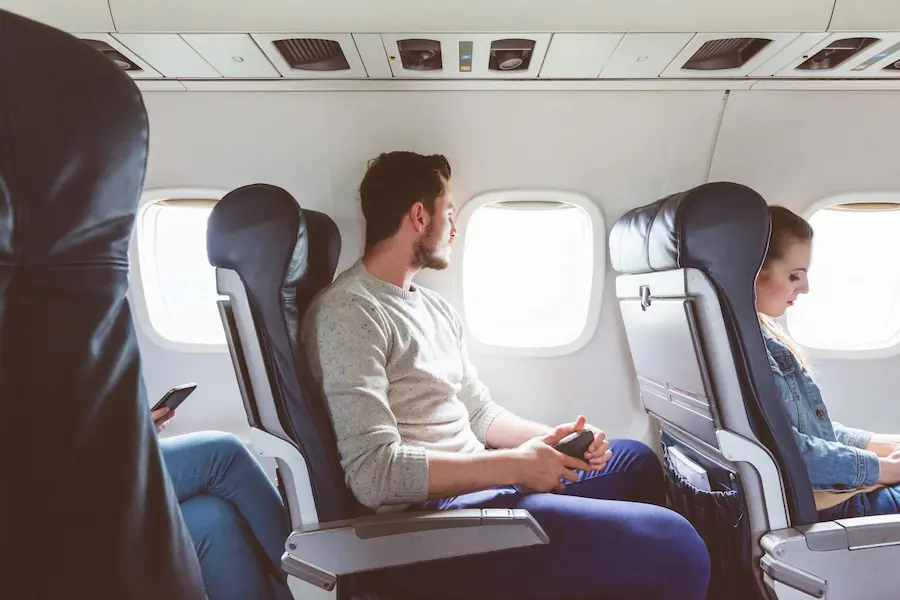
When an unusual situation develops onboard, phones come out quickly. So do rumors.
Your most reliable source of information is still the flight crew.
Remain seated when instructed, keep your seat belt fastened, and listen closely to announcements. If the crew gives specific safety instructions, follow them immediately.
If passengers are told to evacuate, do not stop to retrieve cabin baggage. Bags and electronics can be replaced. Delaying other passengers cannot.
For international travel, it is also sensible to keep your passport, essential medication, phone, and important contact details organized and easy to access before departure.
You may never need this preparation, but it can make an emergency landing or another major disruption considerably easier to manage.
4. What Happens After an Emergency Landing?
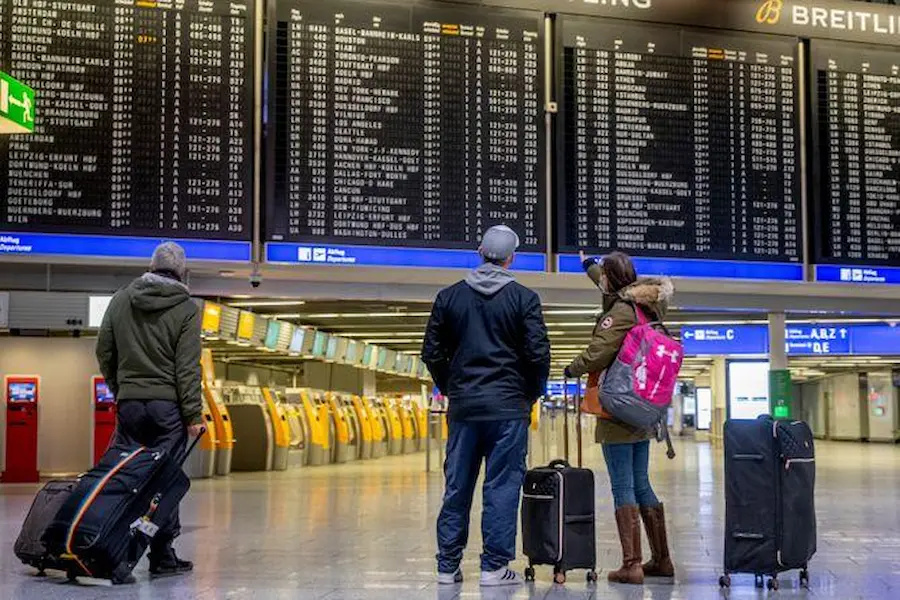
Landing safely does not always mean the journey restarts immediately.
Depending on the situation, passengers may remain on the aircraft for a period of time, enter the terminal, transfer to another aircraft, or wait while the airline reorganizes the journey.
The airline may also need to consider aircraft inspections, crew working-hour limits, airport operations, and available replacement flights.
For someone traveling to Vietnam, these delays can create a chain reaction.
Imagine your original itinerary is:
London → Singapore → Hanoi
You are then scheduled for a private airport pickup in Hanoi, followed by a hotel night and a Halong Bay departure the next morning.
If the first flight experiences an emergency landing and arrives several hours late, you could miss your Singapore connection. That may then affect the airport transfer, hotel arrival, and even the following day’s tour.
This is why tightly packed itineraries can become surprisingly fragile.
5. Do Not Rebook Everything Immediately
The moment a flight is disrupted, it is tempting to open several booking apps and start rebuilding the trip yourself.
That can sometimes create more problems.
Before purchasing another ticket, check what your airline is arranging. Your existing booking may be reprotected or moved to another flight automatically.
A sensible order is:
- Confirm the latest information with the airline.
- Check whether connecting flights have already been changed.
- Contact your hotel, transfer provider, or travel consultant.
- Review your travel insurance before paying large unexpected expenses.
- Save receipts, airline notices, and screenshots related to the disruption.
Rules regarding compensation, accommodation, meals, and reimbursement vary depending on the airline, ticket, route, and cause of the disruption.
After an emergency landing, getting confirmed information first is usually better than making expensive decisions in a panic.
6. Tell Your Vietnam Travel Operator Early

This is where a privately organized journey can become much easier.
Independent travel often involves multiple separate reservations. You may have booked an airport transfer with one company, a hotel directly, a domestic flight through another website, and sightseeing activities with several different operators.
One major delay can suddenly turn your holiday into an admin project.
Travelers working with experienced Vietnam local tour operators can usually simplify that process.
Once you have reasonably reliable information about your new arrival time, tell your travel consultant. A local team may be able to adjust the driver, notify your guide, reschedule activities, or rearrange parts of the itinerary.
Suppose your family was expected in Hanoi at 8:00 AM but an emergency landing and subsequent rebooking means you arrive at 4:00 PM.
Trying to force the original full-day sightseeing plan into the remaining hours would probably make everyone tired and irritated.
A private itinerary can instead be adjusted. The Hanoi tour could move to the following morning. Another activity could shift later in the trip. Your first evening could simply become time to rest and have an easy dinner near the hotel.
That flexibility is one of the less obvious benefits of private travel.
7. Families Should Keep Arrival Days Light
For families, couples, and mature travelers, an international arrival day should rarely be overloaded.
Long-haul flights are tiring even when everything goes perfectly. Immigration queues, baggage delays, unfamiliar airports, traffic, and jet lag can all add friction.
An emergency landing simply makes that buffer more valuable.
A practical first day in Vietnam might look like this:
Airport arrival → private transfer → hotel check-in → rest → relaxed dinner
Major sightseeing can begin the following morning.
This approach may look less ambitious than fitting several attractions into arrival day, but it usually creates a better start to the trip.
The same logic applies when connecting from an international arrival to a domestic flight. Leaving a reasonable margin can protect the rest of your itinerary if the inbound journey runs late.
What Should You Do If Your Flight Is Diverted?
If your flight changes unexpectedly, keep your response simple. Dealing with an emergency landing is easier when you focus on one decision at a time.
While onboard, follow the crew and avoid relying on passenger speculation.
After landing, wait for confirmed airline instructions before making major new purchases.
For connecting flights, check whether your booking has been automatically updated.
For your Vietnam itinerary, contact your travel consultant, hotel, or transfer provider once you have a realistic new arrival time.
Keep records of major expenses and schedule changes in case they are needed for insurance or airline claims.
Most importantly, remember that an emergency landing may disrupt the beginning of a holiday without ruining the holiday itself.
Why Private Travel Helps When Plans Change
Many travelers choose a private Vietnam tour because they want comfortable vehicles, knowledgeable guides, carefully selected hotels, and a more personalized itinerary.
There is another benefit that becomes obvious only when something goes wrong: one local point of contact.
Instead of coordinating every reservation yourself, you can explain the problem once to someone who already understands your trip.
For families and travelers who value comfort, this can make a considerable difference during flight delays, missed connections, weather disruptions, or last-minute schedule changes.
Private travel also makes it easier to adjust pacing. If everyone is exhausted after an emergency landing and delayed arrival, a sightseeing day can sometimes be moved rather than lost completely.
That is very different from joining a fixed group departure where the schedule may continue whether you are there or not.
Final Thoughts
Nobody wants an unexpected flight diversion at the beginning of a holiday.
However, the most useful response is not trying to understand every technical detail happening in the cockpit. Focus on the information that affects you: where you are going, what the airline is arranging, and which parts of your itinerary need to change.
For travelers heading to Vietnam, leaving some flexibility around arrival day and having reliable local support can prevent one disruption from affecting the entire journey.
An emergency landing is a change of plan. It does not have to become the story of your whole vacation.
At Vietnam Local Tour, we create private Vietnam journeys for families, couples, and mature travelers who prefer comfort, flexibility, and local support rather than organizing every detail themselves. Share your dates, group size, and travel interests with our team, and we can help design a private itinerary around the way you actually want to travel.