
Booking accommodation in Vietnam is generally straightforward, but checking in does not mean guests can treat the room exactly like their own home. Hotels have policies covering identification, visitors, noise, smoking and the use of property. Some are clearly stated, while others may only appear in the booking conditions or a small notice inside the room.
Understanding Vietnam hotel rules before arrival can prevent unexpected charges, awkward conversations and unnecessary delays. Whether you choose a family-run guesthouse, an urban boutique hotel or an international resort, these are the common mistakes international travelers should avoid.
1. Arriving Without the Correct Identification
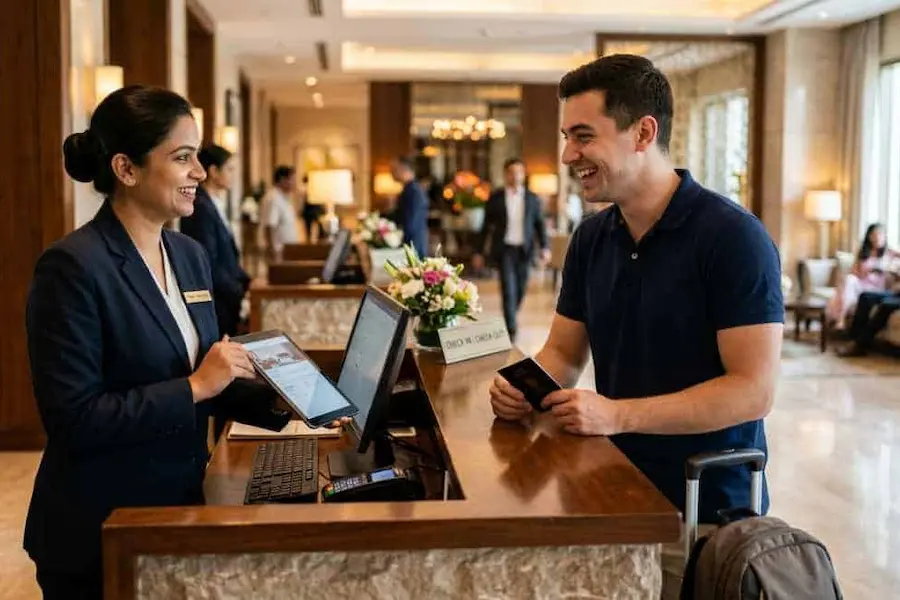
International travelers should bring the passport used to make their reservation. Vietnamese hotels generally request passport details at check-in as part of their guest registration procedures.
Some properties scan the identification page, while others may keep the passport briefly to record the required information. If you are uncomfortable leaving it at reception, politely ask whether the staff can make a copy and return it immediately.
Each guest should have valid identification. A booking confirmation or photograph of a passport may not always be accepted, especially when the hotel needs to verify the identity of the person staying.
2. Bringing Unregistered Guests into the Room
One of the most frequently misunderstood Vietnam hotel rules concerns outside visitors. Travelers sometimes assume that booking a double room allows any two people to stay, even when only one guest was originally registered.
In practice, hotels may require every visitor to present identification at reception. Some properties allow daytime visitors but restrict access after a particular hour. Others charge an extra-person fee if someone stays overnight.
These policies exist for security, legal registration and occupancy control. Before inviting someone to your room, ask reception about visitor hours and identification requirements.
3. Making Too Much Noise at Night

Hotels are shared spaces, and noise travels easily through corridors, connecting doors and older buildings. Loud conversations, television, music and repeated door slamming can disturb several rooms at once.
Even when no quiet hours are displayed, guests should reduce noise after approximately 10 p.m. Avoid gathering in hallways or calling friends from the corridor late at night.
Families traveling with children should also be mindful of running and shouting in public areas. Keeping the noise down is not merely a hotel preference; it is basic consideration for travelers who may be sleeping, working or recovering from a long journey.
4. Assuming Everything in the Room Is Free
Complimentary bottled water, tea, coffee and toiletries are usually identified with labels or placed in a specific area. Items inside the minibar, however, are commonly chargeable.
Do not assume that every snack or drink is included because the room has already been paid for. Check the minibar list before consuming anything. Some modern hotels use automatic minibar sensors, while smaller properties may inspect the contents during check-out.
The same principle applies to laundry bags, bathrobes, umbrellas and decorative objects. If you cannot tell whether something is complimentary, ask the hotel before using or taking it.
5. Taking Reusable Hotel Property Home
Disposable toothbrushes, soap, shampoo and basic slippers are generally provided for personal use. Towels, pillows, bathrobes, hangers, hair dryers and electronic equipment are not souvenirs.
Under standard Vietnam hotel rules, reusable items remain the property of the accommodation. Missing belongings can be added to the final bill, sometimes at a higher replacement price than travelers expect.
If you like a bathrobe, tea set or decorative item, ask whether the hotel sells it. Some luxury properties have gift shops or can arrange a new product for purchase.
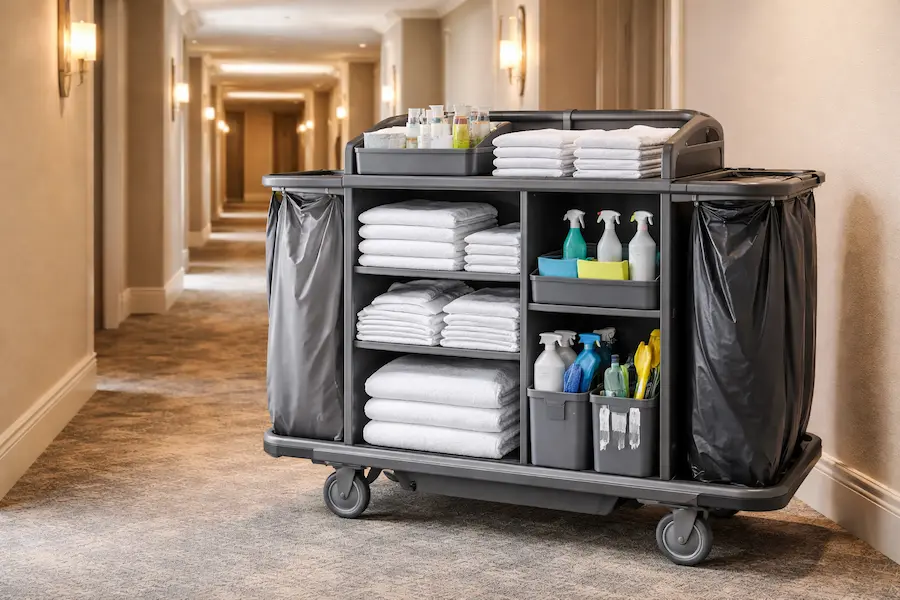
Guests should also avoid taking supplies directly from an unattended housekeeping cart. Request additional toiletries or towels through the proper channel instead.
6. Smoking in a Non-Smoking Room
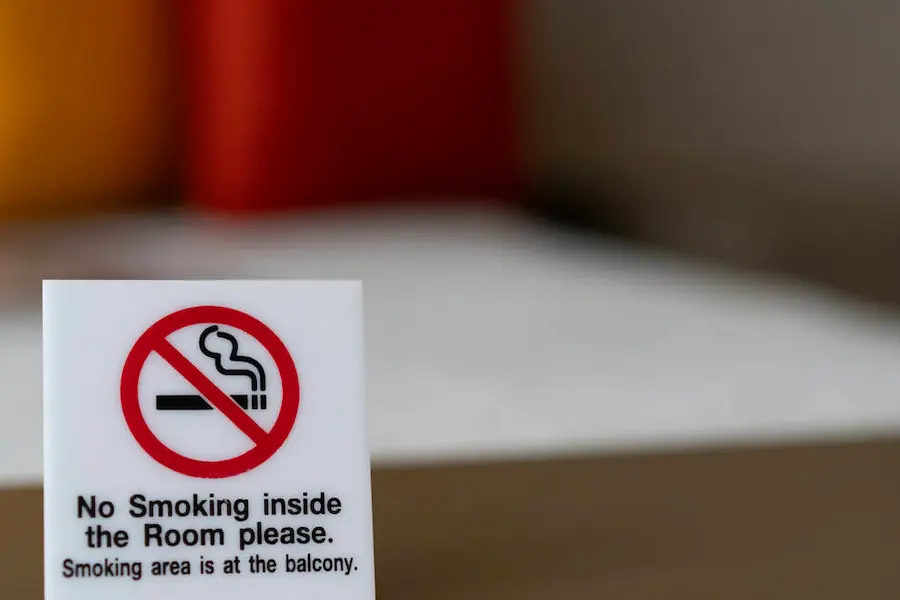
A large number of hotels in Vietnam now offer non-smoking rooms or operate as entirely smoke-free properties. Smoking beside an open window does not necessarily make it acceptable.
Smoke can remain in curtains, bedding and furniture after departure. It can also enter neighboring rooms through balconies, hallways or ventilation systems. As a result, hotels may impose a deep-cleaning charge when guests smoke in prohibited areas.
Check the room description and any signs displayed inside. If smoking is permitted only in a designated outdoor area, use that space rather than risking an additional charge.
7. Ignoring Check-out Times
Check-out times allow housekeeping employees to prepare rooms for arriving guests. Staying beyond the deadline without approval can disrupt this process and may result in a late check-out fee.
If you need extra time, contact reception in advance. Availability may depend on how many rooms are booked that day. Some hotels grant a short extension free of charge, while others offer half-day or full-day rates.
Leaving luggage at reception is usually a better solution than remaining in the room without permission. Confirm whether the storage area is supervised and keep passports, cash and valuables with you.
Following Vietnam hotel rules also means returning room keys or key cards and settling minibar, laundry and other charges before departure.
8. Treating the Breakfast Buffet as Takeaway Food

Breakfast buffets are designed for food to be eaten in the restaurant. Guests should not fill bags or containers with fruit, pastries and drinks unless the hotel specifically permits takeaway.
Take a modest serving first and return for more if needed. This reduces food waste and keeps enough available for other guests. Always use the provided serving utensils rather than touching shared food directly.
Travelers leaving before breakfast hours can ask about a packed breakfast. Many hotels will prepare one when notified the previous evening, although availability depends on the property and room package.
9. Hiding Damage or Serious Stains
A broken glass or accidental spill does not automatically lead to a penalty. However, hiding damage can make the situation worse, particularly if it causes a safety issue or permanent staining.
Tell reception promptly if furniture, linen or equipment has been damaged. The hotel can assess whether the item needs cleaning, repair or replacement. If you believe a charge is unreasonable, request an explanation or documented price rather than arguing with an employee who cannot authorize the decision.
It is also useful to photograph any major existing damage when entering the room, especially in budget accommodation or long-stay apartments.
10. Waiting Until Check-out to Report a Problem
Travelers sometimes tolerate a faulty air conditioner, missing amenity or noisy room throughout their stay and only complain when leaving. By then, the hotel has little opportunity to offer a solution.
Report significant problems as soon as they occur. State the issue clearly, explain how it affects your stay and ask for a practical resolution. Depending on the situation, the hotel may repair the equipment, provide the missing item or move you to another room.
Understanding Vietnam hotel rules does not mean accepting unacceptable accommodation. Guests still have the right to receive the room and services described in their confirmed booking.
Quick Checklist Before Staying at a Hotel in Vietnam
Use this checklist to avoid the most common problems:
- Bring the original passport or accepted identification for every guest.
- Confirm whether a deposit is required at check-in.
- Register additional or overnight guests at reception.
- Check which drinks, snacks and amenities are complimentary.
- Ask where smoking is permitted.
- Keep noise down, particularly after 10 p.m.
- Request late check-out before the departure deadline.
- Report maintenance problems and accidental damage promptly.
- Review extra charges before paying the final bill.
Policies can differ between properties, so always read the conditions attached to your reservation. The hotel’s written terms should take priority over general assumptions.
Frequently Asked Questions About Vietnam Hotel Rules
Do hotels in Vietnam keep guests’ passports?
A hotel may need passport information for guest registration. Some properties scan or copy the relevant page, while others hold the passport briefly. Ask when it will be returned if reception needs to retain it temporarily.
Can unmarried couples share a hotel room in Vietnam?
Hotels generally accept unmarried adult couples, provided both guests present valid identification and comply with the property’s registration requirements. Individual policies can vary, so contact the hotel if you have specific concerns.
Can I bring food into a hotel room?
Many hotels permit outside food, but some resorts restrict deliveries or strongly scented food. Confirm the policy before ordering and dispose of packaging properly.
Do hotels charge for stained towels or bedding?
Charges depend on the severity of the damage and whether the stain can be removed through normal cleaning. Report serious spills promptly rather than attempting to conceal them.
Are hotel deposits common in Vietnam?
Some hotels request a cash deposit or temporary card authorization to cover minibar use, damage and other incidental expenses. Ask for a receipt and confirm how and when the deposit will be returned.
Enjoy a Stress-Free Hotel Stay in Vietnam
Most Vietnam hotel rules are based on security, consideration for others and responsible use of the property. Guests who register correctly, respect shared spaces and communicate problems early are unlikely to encounter serious difficulties.
Reading the booking conditions may take only a few minutes, but it can save time and money later. When something remains unclear, ask reception instead of relying on assumptions from another hotel or country.
Working with experienced Vietnam local tour operators can also make accommodation arrangements easier, particularly for multi-destination journeys, families and private groups requiring connecting rooms or special assistance.