
Introduction: Discovering Xiaolongbao in Vietnam
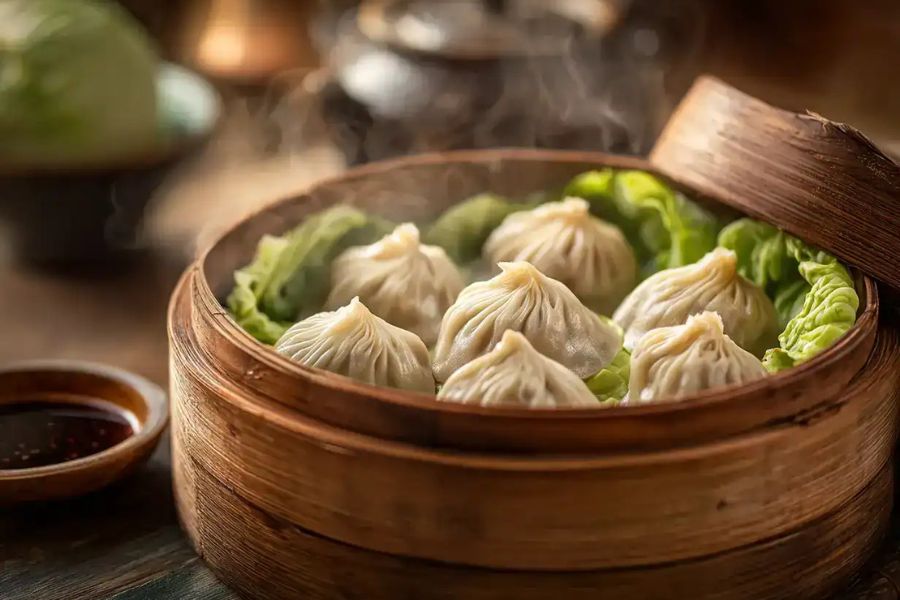
Xiaolongbao, often known as Chinese soup dumplings or Shanghai soup dumplings, represent one of the most beloved dim sum dishes in the world. Originating from Shanghai, these delicate dumplings are famous for their ultra-thin wrappers, savory fillings, and rich, flavorful soup sealed inside. Traditionally made with pork, ginger, and gelatinized broth that melts during steaming, xiaolongbao deliver an unforgettable bite – light, juicy, and deeply comforting.
While xiaolongbao are strongly associated with China and Taiwan, Vietnam has quietly become an exciting destination for soup dumpling lovers. Thanks to a long history of cultural exchange, a growing Chinese community, and Vietnam’s booming food scene, travelers can now enjoy excellent xiaolongbao in cities like Hanoi and Ho Chi Minh City.
For international travelers searching for “xiaolongbao in Vietnam,” this comprehensive guide offers everything you need – from cultural background and eating tips to trusted restaurant recommendations, street food vendors, and local insights. Whether you’re seeking authentic xiaolongbao experiences or comfortable upscale dining, Vietnam’s dim sum scene delivers.
What Is Xiaolongbao? A Quick Cultural Overview
Xiaolongbao (小笼包) literally means “little basket buns,” referring to the bamboo steamers traditionally used to cook these iconic dumplings. Unlike regular dumplings, xiaolongbao contain hot soup inside the wrapper, created by adding gelatinized broth to the filling before steaming. This signature soup comes from the gelatin that melts at high temperatures, transforming solid stock into liquid.
Key Characteristics of Authentic Xiaolongbao
Paper-thin dough that remains intact despite the moisture inside, allowing diners to enjoy the delicate texture without breaking. Juicy filling made traditionally from high-quality pork mixed with finely chopped bamboo shoots and green onions. Clear, rich broth inside that delivers umami depth and savory warmth. Steamed (never fried) to preserve the delicate skin and perfect the juicy interior. Served hot with black vinegar and fresh ginger slices, which complement the rich broth and pork filling.
For travelers, xiaolongbao represent more than just food – they reflect craftsmanship, patience, and balance, values deeply rooted in East Asian culinary traditions. The precision required to fold each dumpling perfectly and steam them at exactly the right temperature demonstrates the mastery of chefs dedicated to traditional dim sum preparation.
Why Travelers Love Xiaolongbao
Xiaolongbao have become a global obsession for good reason. For international travelers visiting Vietnam, they offer a familiar yet exciting culinary experience.
A Comfort Food with Global Recognition
Many travelers first encounter xiaolongbao in famous dim sum capitals like Shanghai, Taipei, Hong Kong, or even New York and London. Finding authentic xiaolongbao in Vietnam feels both comforting and surprisingly accessible, allowing visitors to enjoy a beloved dish without traveling to more expensive destinations. The consistency of quality xiaolongbao across restaurants reflects how this dumpling has become a culinary standard.
Perfect for Short Food Stops
Xiaolongbao are usually served in small bamboo baskets (traditionally holding 4-10 pieces), making them ideal for quick lunches, sharing with friends, or sampling alongside other dim sum dishes. This format fits perfectly into a traveler’s itinerary, whether you’re exploring Hanoi’s Old Quarter or taking a mid-day break from Ho Chi Minh City’s bustling streets.
High Value, Affordable Prices
Compared to many Western cities, xiaolongbao in Vietnam cost a fraction of what you’d pay elsewhere – often between VND 50,000-120,000 per basket (approximately $2-5 USD) – without sacrificing quality. This affordability makes it possible to try multiple restaurants and variations without breaking your travel budget.
The Rise of Xiaolongbao in Vietnam
Vietnam’s food culture has always been open to outside influences. Chinese cuisine, especially Cantonese and Shanghainese styles, has been part of Vietnam’s culinary landscape for decades, integrated into local dining through centuries of trade and cultural exchange. Contemporary Vietnam, however, has seen an explosion of specialized dim sum restaurants and Chinese eateries that make xiaolongbao more accessible than ever before.
Why Xiaolongbao Are Growing in Popularity
The expanding Chinese and Taiwanese restaurant scene reflects both tourism growth and local demand. Increased international tourism brings visitors seeking familiar Asian cuisines, while Vietnamese diners increasingly appreciate steamed, light dishes that fit modern health-conscious eating habits. Vietnam’s strong street food and casual dining culture means xiaolongbao fit naturally into the local food ecosystem, available in everything from luxury hotels to humble neighborhood eateries.
Best Cities to Find Xiaolongbao in Vietnam
Although xiaolongbao are not traditional Vietnamese food, you can find excellent versions in Vietnam’s major urban centers. Each city offers different experiences, from classical interpretations to modern innovations.
Hanoi boasts a strong traditional Chinese influence with many authentic dim sum restaurants specializing in classical flavors and preparation methods. Ideal for travelers seeking classic xiaolongbao experiences.
Ho Chi Minh City (Saigon) offers a more modern, experimental food scene with fusion and Taiwanese-style dumplings. Great for travelers seeking variety, innovation, and upscale dining experiences.
Best Places to Eat Xiaolongbao in Hanoi
Hanoi is one of the best cities in Vietnam to explore authentic Chinese dim sum, including world-class xiaolongbao. The city’s Old Quarter and surrounding neighborhoods concentrate some of Vietnam’s finest dim sum restaurants.
1. Tim Ho Wan – Lotte Hotel Hanoi (36th Floor)
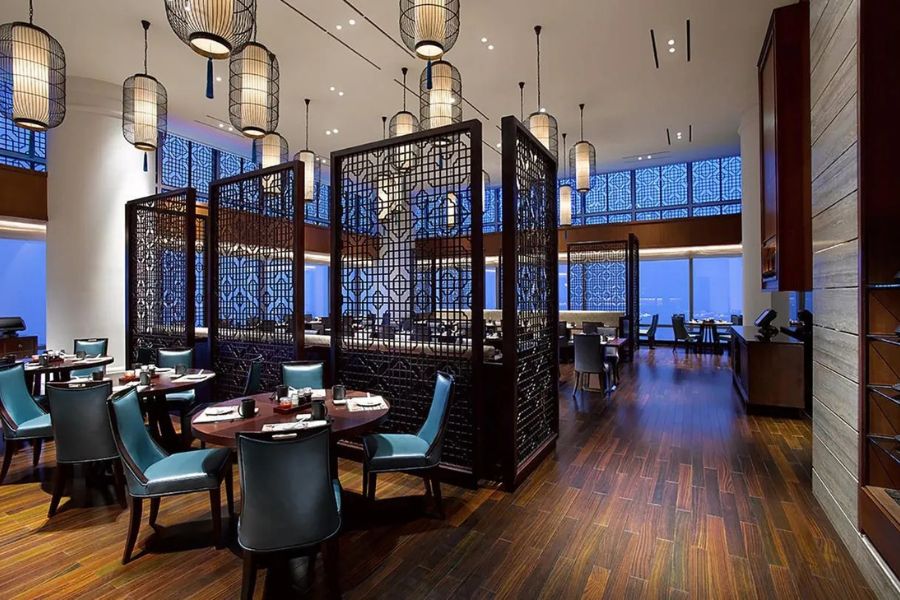
Tim Ho Wan represents the gold standard for dim sum in Vietnam – a Michelin-recognized brand that brought Hong Kong excellence to Hanoi. Located on the 36th floor of Lotte Hotel, this restaurant offers spectacular panoramic views of West Lake alongside impeccable dim sum.
What to Expect:
- Michelin-recognized brand for consistent, exceptional quality
- Elegant atmosphere with scenic city views (book window seats in advance)
- High hygiene standards and professional service
- English-friendly menu with clear descriptions
- Signature baked BBQ pork buns with crispy exteriors and soft, sweet insides
- Fresh, flavorful har gow (shrimp dumplings) and siu mai
- Steamed rice rolls with silky, delicate texture
- Price range: VND 300,000-400,000 per person
Traveler Review: “Tim Ho Wan is a great spot if you’re looking for classic dim sum that’s tasty, consistent, and affordable. The baked BBQ pork buns are definitely the highlight – crispy on the outside, soft and sweet inside, with a rich char siu filling. The setting is casual and clean, and service is generally quick and efficient.” – Wanderlog reviewer
Pro Tip: Make reservations in advance, especially during peak lunch times (11:30 AM – 1:30 PM), to secure a table by the window overlooking West Lake.
2. Hao Chi – Dimsum Taipei (Multiple Locations)
Hao Chi stands as the first brand in Vietnam to blend authentic Taiwanese dim sum with bubble tea, offering a unique fusion experience. The restaurant boasts multiple locations across Hanoi, each featuring spacious, airy, modern spaces that appeal to younger diners.
What to Expect:
- Authentic Taiwanese flavors with slightly thicker dumpling skins than Shanghai-style
- Richer, more concentrated broth compared to Cantonese versions
- Comfortable casual dining environment
- Popular among both locals and expats
- Professional, meticulous service
- Fresh ingredients sourced specifically for quality
- Price range: VND 60,000-120,000 per basket
- Convenient locations in multiple districts
Traveler Experience: Diners appreciate Hao Chi’s speed of service, friendly staff, and the variety of dim sum options beyond xiaolongbao, including har gow, siu mai, and specialty creations like fried mushroom dumplings.
Key Locations:
- 165 P. Tô Hiệu, Cầu Giấy (near Museum of Ethnology)
- 5N7A Nguyễn Thị Thập, Thanh Xuân
- 112 D1 Trần Huy Liệu, Ba Đình
3. King Bao Dumpling (Dim Sum) – Xuân Diệu Branch
Regarded as one of Hanoi’s best-kept secrets, King Bao Dumpling delivers authentic dim sum in a relaxed setting that feels far removed from the Old Quarter’s tourist hustle.
What to Expect:
- Home-made quality food using premium ingredients
- Skilled chefs who deliver consistent, high-quality results
- Particularly renowned for chicken feet in fermented black bean sauce (considered authentic by serious dim sum diners)
- Fresh steamed dumplings prepared with meticulous attention
- Mapo tofu and fried dumplings of exceptional quality
- Price range: VND 200,000-350,000 per person
- Address: 178 Đ. Xuân Diệu, near West Lake
- Google rating: 4.6/5 stars
Traveler Review: “Best restaurant I found in Hanoi since we left Shanghai. Food is really home made. The food was incredibly flavorful, with perfectly cooked dishes that tasted fresh and authentic.” – Restaurant Guru reviewer
4. Crystal Jade – Modern Fine Dining Dim Sum
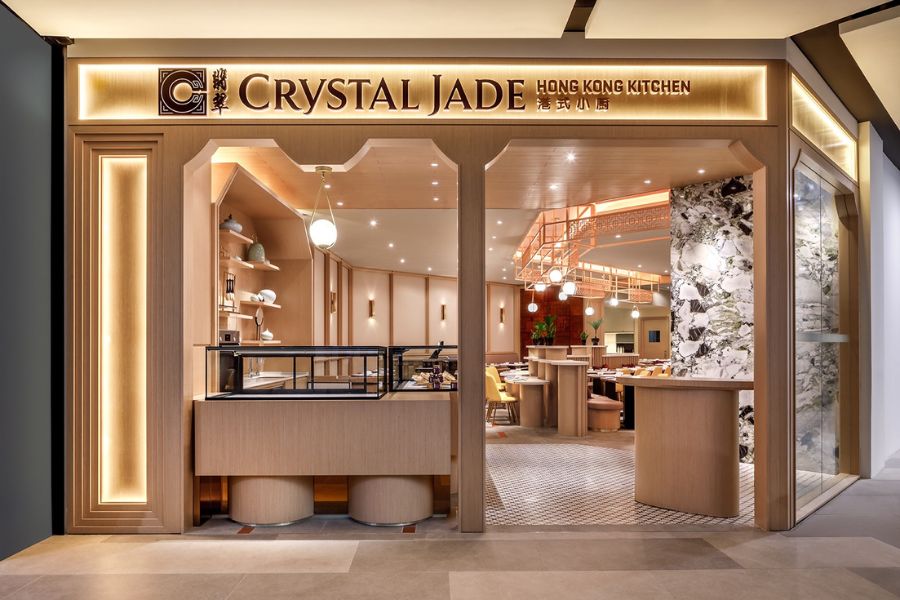
For those seeking elevated dim sum experiences, Crystal Jade offers refined Cantonese dining with creative xiaolongbao preparations and premium ingredients like asparagus and truffle-infused variations.
What to Expect:
- Exquisite dining room with luxurious furniture and generous table space
- Dim sum elevated to fine dining standards
- Quality above standard dim sum joints, with succulent duck, tender crispy pork belly
- Fragrant har gow and siu mai prepared with noble ingredients
- Quick, neat service
- Price range: Higher-end (VND 400,000+ per person), but exceptional value for quality
Traveler Note: Crystal Jade recently opened, offering one of Hanoi’s most upscale dim sum experiences for travelers seeking special occasion dining.
Best Places to Eat Xiaolongbao in Ho Chi Minh City
Ho Chi Minh City offers a more diverse and experimental dim sum landscape, with restaurants ranging from traditional Chinatown eateries to luxury hotel brunches. The city’s Chinatown (Districts 5 and 11) concentrates the highest density of dim sum restaurants.
1. Jin Din Rou – Premium Taiwanese Xiaolongbao
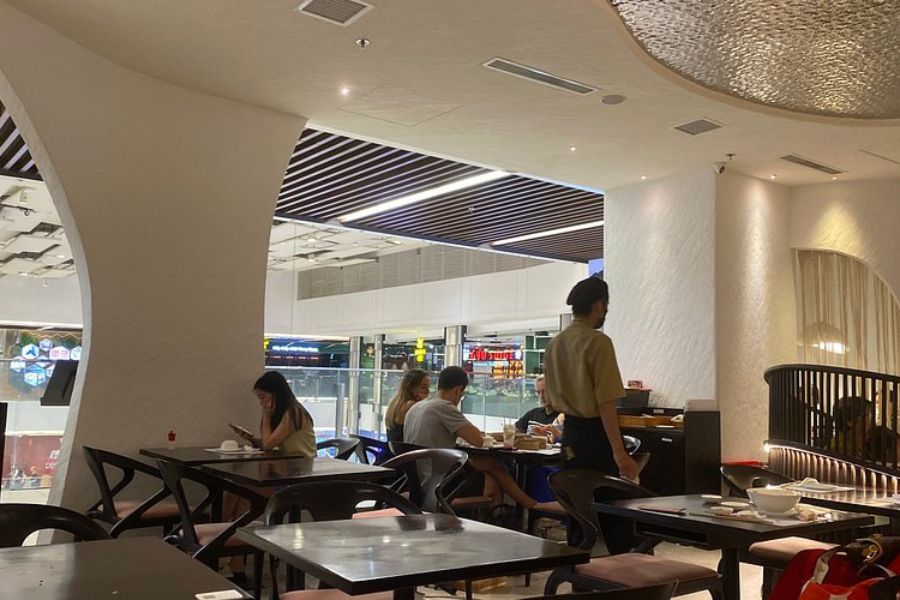
Originated from Taipei under guidance of a xiaolongbao master, Jin Din Rou brings authentic Taiwanese soup dumpling expertise to Ho Chi Minh City’s shopping centers.
What to Expect:
- Signature xiaolongbao maintaining authentic Taiwanese flavors
- Menu adapted to local tastes while preserving traditional preparation
- Located in prime shopping centers for convenience
- Professional service
- Price range: VND 150,000-250,000 per person
Locations:
- Saigon Centre, 67 Le Loi Street, Sai Gon Ward
- Vincom Center Dong Khoi, 72 Le Thanh Ton Street, Sai Gon Ward
2. SuSuBao – Shanghainese Pan-Fried Dumplings
Specializing in Sheng Jian Bao (pan-fried soup dumplings), SuSuBao offers a modern take on Shanghai’s dumpling traditions with handmade creations and unique beverage pairings.
What to Expect:
- Authentic Shanghainese Sheng Jian Bao with crispy base and juicy filling
- Multiple flavor options: Original, Scallion (green vegetable), Spicy Mala
- Pan-fried bottoms providing crispy contrast to tender tops
- Hot soup inside requiring careful eating (tip: sip the soup first!)
- Curated drink selections including bubble tea and creative beverages
- Vegetarian options available
- Friendly, English-speaking staff who remember regular customers
- Price range: VND 70,000-120,000 per person (excellent value)
- Hours: 9:00 AM – 9:00 PM
Address: 167A Nguyễn Thị Minh Khai, Phần Ngũ Lão, Quận 1
Traveler Review: “Super clean, friendly service, and authentically delicious. The bánh bao with crispy base and soft top is spectacular, with hot soup inside that you must sip carefully. The three flavor variations are all excellent-original is subtle and sweet, lục thanh has fresh vegetables mixed in, and tứ xuyên (Sichuan-style) has a nice gentle heat.” – Lemon8 food blogger
3. Baoz Dimsum – Chinatown’s Largest Dim Sum House
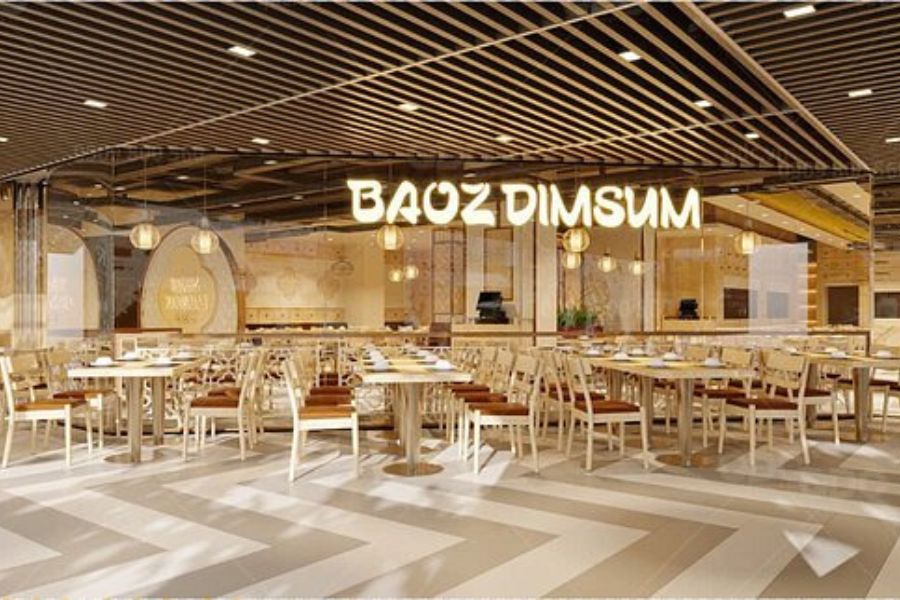
Baoz Dimsum ranks among Ho Chi Minh City’s most popular dim sum destinations, occupying entire multi-story buildings with extensive menus and skilled Hong Kong chefs.
What to Expect:
- Over 70 different dim sum dishes prepared by skilled Hong Kong chefs
- Extensive selections from steamed, fried, and stir-fried preparations
- Xiaolongbao among signature dishes alongside har gow, siu mai, Peking duck
- Wonton noodles and À la carte options
- Incredibly reasonable prices
- Large-scale operations ensuring fast seating even during peak times
- Spacious interiors with ample tables
Locations:
- CN The Garden Mall, 190 Đ. Hồng Bàng, Quận 5 (newest location)
- 297-299 D. Lê Đại Hành, Quận 11
Special Offers: Baoz frequently runs promotions (50% off dim sum 8:30-11:30 AM Thu-Sun during certain periods), making it exceptional value.
4. Li Bai Restaurant – Refined Cantonese Dining
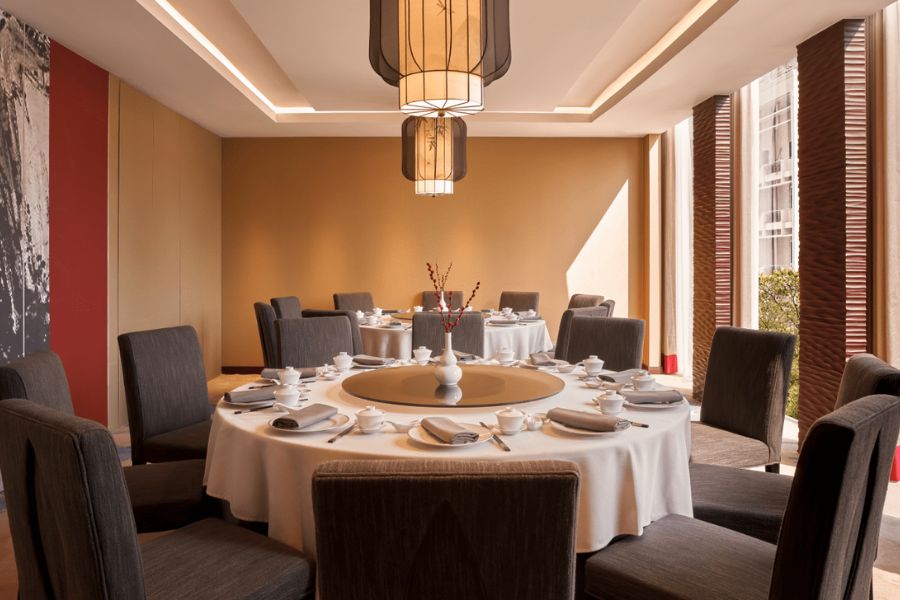
Standing out in District 1, Li Bai Restaurant features chefs with over 30 years of experience crafting authentic Cantonese dishes.
What to Expect:
- Authentic Cantonese preparation with exceptional technical skill
- Weekend yum cha buffet featuring extensive dim sum selection including xiaolongbao
- Signature Peking duck made with duck from Mekong Delta dried for 10 days
- Elegant dining setting
- Price range: VND 400,000-500,000 per person
Highlight: The weekend yum cha buffet offers exceptional value and variety for travelers wanting to sample numerous xiaolongbao varieties alongside other dim sum.
Street Food vs. Formal Restaurants: Finding Xiaolongbao in Vietnam
While upscale restaurants dominate xiaolongbao dining in Vietnam, street food vendors and casual eateries offer authentic alternatives for budget-conscious travelers.
Street Food and Casual Dim Sum Vendors
Chinatown’s side streets and markets (particularly District 5 in Ho Chi Minh City) feature small dim sum carts and vendor stalls serving fresh xiaolongbao from early morning through midday. These vendors often sell directly to locals, providing authentic experiences at VND 30,000-50,000 per basket. The challenge for travelers involves language barriers and lack of seating – most street vendors expect quick consumption or takeout. However, for adventurous eaters seeking genuine local experiences, street vendors offer unfiltered glimpses of Vietnam’s Chinese culinary heritage.
Casual Neighborhood Dim Sum Shops
Between street vendors and luxury hotels sit neighborhood dim sum restaurants serving primarily local customers. These establishments typically feature simple décor, efficient service, and prices between VND 80,000-150,000 per person. Many lack English menus and English-speaking staff, but picture-based ordering systems and friendly staff make communication manageable. These spots deliver authentic xiaolongbao experiences with genuine local atmosphere.
Upscale Hotel and Fine Dining Restaurants
Five-star hotels in both Hanoi and Ho Chi Minh City offer premium dim sum experiences with English menus, professional service, and modern ambiance. Prices range from VND 350,000-550,000 per person, but these venues provide reliability, hygiene assurance, and refined presentations appealing to travelers prioritizing comfort and convenience.
How to Eat Xiaolongbao Properly: A Traveler’s Guide
First-time xiaolongbao eaters often worry about technique, but the process becomes intuitive quickly.
Step-by-Step Eating Instructions
- Lift gently with chopsticks – Hold the xiaolongbao delicately near the dumpling’s top, using the slight indentation as your grip point
- Place on a porcelain spoon – Transfer the whole dumpling to your spoon (usually provided with xiaolongbao service)
- Puncture the skin slightly – Using chopsticks, make a small opening near the side, being careful not to split the wrapper completely
- Sip the soup first – This is essential! The hot broth inside can burn your mouth if you bite directly into it
- Add vinegar and ginger – Dip the dumpling in black vinegar (typically provided) and pair with fresh ginger slices
- Enjoy the rest in one or two bites – Pop the remaining dumpling into your mouth to experience the wrapper, meat, and remaining broth together
Critical Warning: The soup inside xiaolongbao is extremely hot. Many travelers get burned by biting directly into the dumpling. Always sip the soup first through the small opening you’ve created.
Xiaolongbao Variations and Local Adaptations in Vietnam
While purists prefer traditional preparations, Vietnamese restaurants sometimes adapt xiaolongbao to local tastes and ingredient availability. Understanding these variations helps travelers order confidently.
Common Variations Found in Vietnamese Restaurants
Seafood-filled xiaolongbao replace traditional pork with shrimp, scallop, or mixed seafood, offering lighter flavors and different textural experiences. Chicken-based versions appeal to travelers avoiding pork for religious or dietary reasons. Slightly thicker dumpling skins appear more frequently in Vietnam than in Shanghai, as some chefs adjust wrapper thickness to local preferences. Less oily broths cater to diners seeking lighter versions of the traditional rich soup. Creative fillings including crab with egg yolk, beef, or even mushroom and vegetable combinations represent modern innovations found in trendier establishments.
Best Time to Eat Xiaolongbao in Vietnam
Xiaolongbao are available year-round, but certain conditions enhance the experience:
- Cooler months (November – February) when outdoor exploration doesn’t cause excessive sweating – the rich broth and steaming dumplings feel less heavy
- Lunch or early dinner (11 AM – 2 PM, 5 PM – 7 PM) when dumplings are freshly made and restaurants operate at peak efficiency
- Days immediately after restaurant opening when ingredients are freshest and chefs most motivated
Peak tourist seasons (December-February, July-August) mean crowded restaurants. Consider visiting during shoulder seasons (March-May, September-October) for shorter waits and relaxed dining experiences.
Dietary Considerations: Vegetarian, Halal, and Allergen-Friendly Options
Most traditional xiaolongbao contain pork, but alternatives exist:
Some restaurants offer chicken or seafood versions clearly marked on menus. Vegetarian xiaolongbao remain rare but possible in modern dim sum restaurants (try Hao Chi or upscale hotel dim sum). Halal travelers should always ask staff directly about ingredients and preparation methods, as cross-contamination risks exist in kitchens preparing pork-based dishes. Allergy considerations require careful communication – always inform servers about shellfish, egg, or other allergies, as dim sum preparation involves shared steaming equipment and sauces.
Food Safety for Travelers: Enjoying Xiaolongbao Responsibly
Vietnamese restaurants in tourist areas generally maintain good hygiene standards. Key safety practices include:
- Choose busy restaurants where high customer volume ensures ingredient freshness
- Eat dumplings hot – the heat kills bacteria
- Avoid reheated dishes – request freshly steamed baskets
- Observe kitchen cleanliness – open kitchen designs in many dim sum restaurants allow visual inspection
- Trust established restaurants with strong reviews and long operating histories
Hanoi’s Tim Ho Wan and Ho Chi Minh City’s Baoz Dimsum maintain rigorous hygiene standards reflecting their international recognition. Even modest neighborhood eateries typically prioritize food safety given Vietnam’s competitive restaurant market.
Exploring Xiaolongbao with Local Tour Operators
For travelers seeking guided dim sum experiences and deeper culinary understanding, Vietnam local tour operators offer specialized food tours combining xiaolongbao dining with cultural education. These tours typically include:
- Expert guides providing historical context about Chinese culinary influence in Vietnam
- Multiple restaurant visits allowing comparison of different xiaolongbao styles and restaurants
- Cultural immersion in Chinatown neighborhoods with visits to markets and historical sites
- Language assistance for travelers nervous about communication
- Transportation handling logistics between restaurants and attractions
Vietnam local tour operators specializing in culinary experiences often bundle xiaolongbao tours with broader dim sum explorations or Vietnamese-Chinese fusion cooking classes. These guided experiences enhance traveler understanding while providing convenient access to authentic neighborhood spots that tourists might otherwise miss.
Why Xiaolongbao Are Worth Trying in Vietnam
Even if Vietnam is famous for pho, banh mi, and bun cha, xiaolongbao add a surprising layer to the food journey. They offer cultural contrast to Vietnamese staples, comfort familiarity for travelers previously enjoying xiaolongbao elsewhere, excellent value compared to Western prices, and memorable dining experiences that transform casual meals into culinary adventures.
Final Thoughts: Xiaolongbao as a Travel Experience
For international travelers, xiaolongbao in Vietnam represent more than just food. They reflect Vietnam’s openness, diversity, and evolving culinary identity. Whether you’re wandering Hanoi’s historic Old Quarter, exploring Ho Chi Minh City’s vibrant Chinatown, or taking a guided food tour with local operators, stopping for a basket of steaming soup dumplings is a small experience that leaves a lasting impression.
If you’re planning your food itinerary in Vietnam, make sure xiaolongbao are on your list – warm, delicate, and unforgettable.