
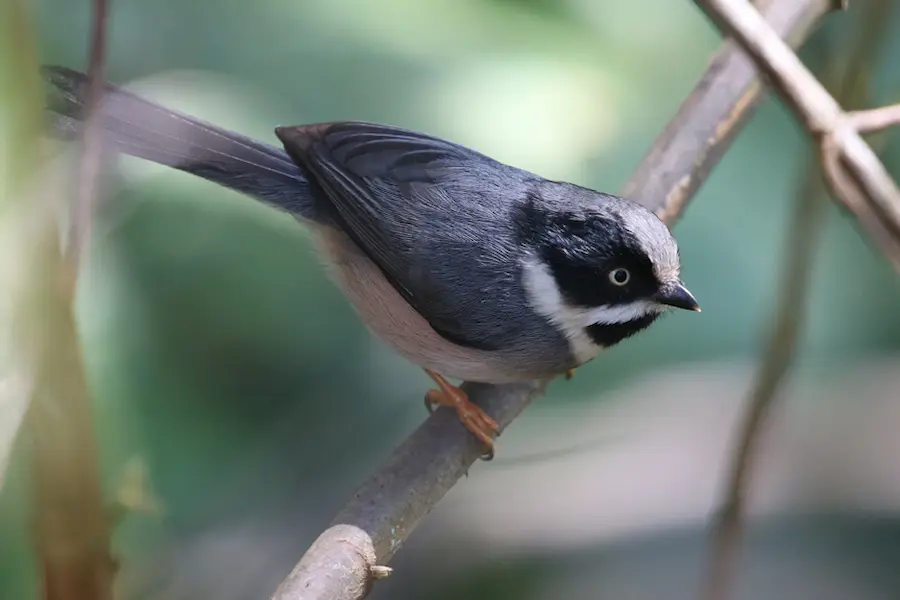
The global travel landscape in 2026 continues to be shaped by a profound reconnection with nature. As travelers increasingly seek “quiet tourism” and meaningful wildlife encounters, bird watching has soared from a niche hobby to a mainstream travel trend. Recently, the prestigious travel magazine Condé Nast Traveller released its highly anticipated list of the “10 Most Beautiful Bird-Watching Destinations for 2026.” While famous spots in Africa and South America dominated the rankings, the historic city of Hue, Vietnam, emerged as a surprising and sophisticated new entry, signaling a new era for conservation-based tourism in Southeast Asia.
The Global Context: 2026’s Premier Birding Hotspots
Before diving into the emerald landscapes of Central Vietnam, it is essential to understand the global stage. The 2026 list reflects a diverse array of ecosystems, each offering a unique “bucket list” experience for avian enthusiasts.
In the north, the Scottish Highlands continue to captivate with sightings of Golden Eagles and the rare Capercaillie amidst rugged peaks. Meanwhile, Japan’s Hokkaido remains a winter favorite, where the majestic Red-crowned Cranes dance in the snow—a sight that draws thousands of international photographers annually. In the Southern Hemisphere, Costa Rica’s Cloud Forests remain the gold standard for biodiversity, particularly for those seeking the Resplendent Quetzal.
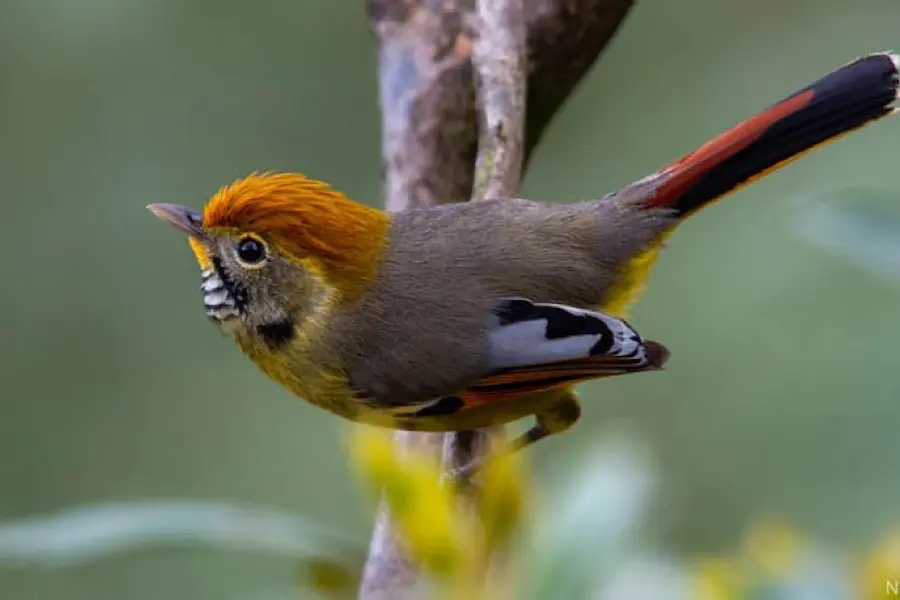
However, the inclusion of Hue marks a significant shift. Editors at Condé Nast Traveller noted that the “Perfect Harmony” between imperial history and untouched biodiversity is what makes bird watching in Hue Vietnam so uniquely appealing to the modern, mature traveler. Unlike many remote wildlife destinations, Hue offers high-end cultural immersion alongside its ornithological treasures.
Why Hue? The Convergence of Heritage and Nature
The city of Hue has long been celebrated for its UNESCO-recognized Citadels and Royal Tombs. However, the 2026 recognition focuses on the city’s geographical luck. Situated between the Truong Son Mountains and the East Sea, Hue acts as a vital corridor for migratory birds and a sanctuary for endemic species.
For the international traveler—especially those in the senior demographic—the appeal of bird watching in Hue Vietnam lies in its accessibility. You don’t need to trek for days into deep jungles; many of the world’s most beautiful birds can be seen within a 30-minute drive of your hotel or even within the quiet, forested gardens of the Imperial tombs themselves. This “low-impact, high-reward” nature travel is exactly what 2026 travelers are looking for.
Bach Ma National Park: The “Green Lung” of the Region
The primary catalyst for Hue’s global ranking is undoubtedly Bach Ma National Park. Located approximately 40 kilometers south of the city, this former French hill station is a biodiversity powerhouse. With altitudes reaching 1,450 meters, the park hosts a variety of microclimates, from tropical evergreen forests to sub-tropical mountain zones.
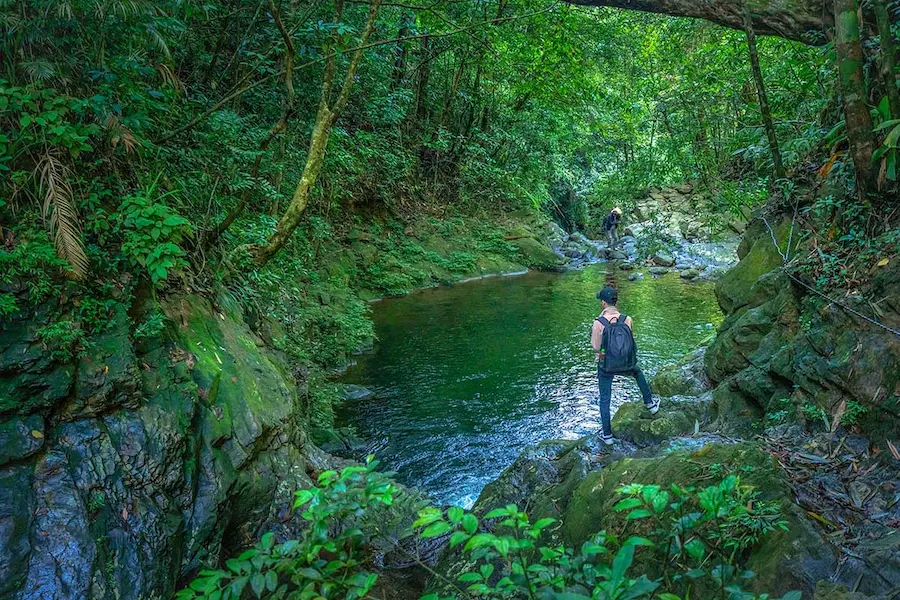
For those dedicated to bird watching in Hue Vietnam, Bach Ma is home to over 330 species of birds. This accounts for nearly one-third of all bird species found in Vietnam. The park is particularly famous for its pheasants. The Silver Pheasant, with its striking white-and-black plumage, is a frequent sight for those who know where to look. Even more elusive is the Edwards’s Pheasant, a critically endangered species that conservationists are working tirelessly to protect within the park’s boundaries.
The park’s infrastructure is particularly well-suited for older travelers. A paved road leads nearly to the summit (Hai Vong Dai), where one can enjoy panoramic views of the ocean and mountains while spotting raptors like the Crested Serpent Eagle soaring on the thermals. The trail system is well-marked and ranges from gentle strolls to more adventurous paths, allowing seniors to choose their comfort level.
Tam Giang Lagoon: A Wetland Wonder
While the mountains provide a backdrop of lush green, the coastal side of Hue offers a mirror-like serenity. The Tam Giang – Cau Hai Lagoon is the largest lagoon system in Southeast Asia and serves as a critical stopover for migratory birds traveling along the East Asian-Australasian Flyway.

During the winter months (November to March), the lagoon becomes a bustling “airport” for thousands of waterbirds. For a visitor interested in bird watching in Hue Vietnam, a private boat tour at sunrise is a spiritual experience. As the first light hits the water, flocks of Garganeys, Northern Pintails, and Asian Openbills take flight. The lagoon is also a great place to see the Black-faced Spoonbill, one of the rarest waterbirds in the world.
The pace of travel here is slow and rhythmic. You can observe local fishermen using traditional “cho” nets while your guide points out a Kingfisher perched on a bamboo stake. This blend of local livelihood and wildlife is a hallmark of the Hue experience.
Birding Amidst the Ruins: The Imperial City
Perhaps the most poetic place for bird watching in Hue Vietnam is within the walls of the Forbidden Purple City and the Royal Tombs. The Nguyen Dynasty emperors were great lovers of nature, and they designed their final resting places as “eternal gardens.”
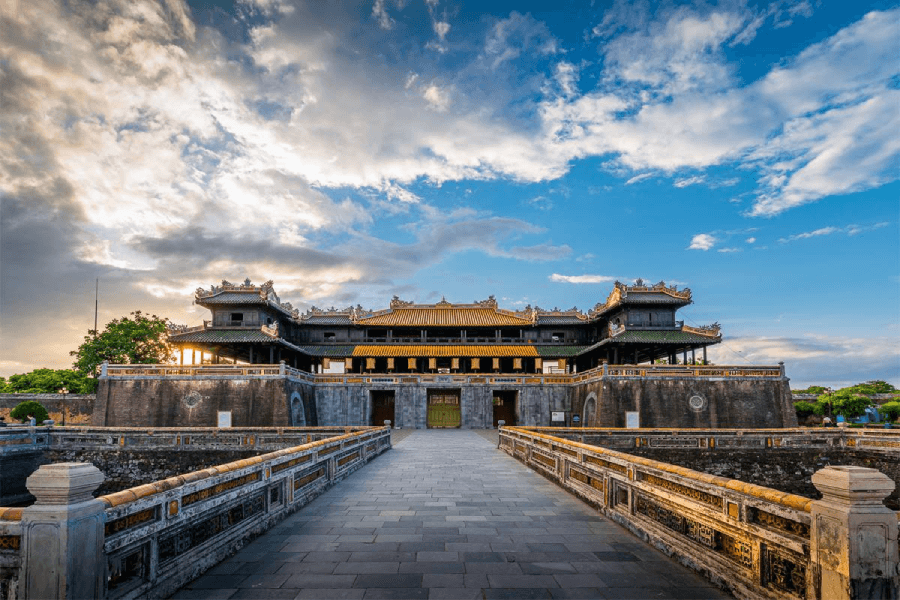
Today, these sites like the Tomb of Gia Long or Tomb of Minh Mang are massive, forested estates that act as urban sanctuaries. Here, the senior traveler can combine a history lesson with birding. While admiring the intricate stone carvings, you might hear the melodious call of the Black-hooded Oriole or see the vibrant blue wings of the Blue-throated Barbet flitting through the ancient pine trees. It is a rare luxury to be able to engage in world-class birding while standing on ground that was once reserved only for royalty.
Safety, Comfort, and Accessibility for Senior Travelers
One of the reasons bird watching in Hue Vietnam has become so popular among international seniors is the high standard of tourism services in the region. Traveling in your 60s or 70s requires a different set of priorities: medical safety, comfortable transportation, and high-quality food.
Hue excels in all these areas. The city is home to several boutique hotels and international resorts that understand the needs of mature guests. Furthermore, the birding tours are designed with comfort in mind. Instead of crowded buses, travelers can enjoy private, air-conditioned SUVs and the undivided attention of specialist guides.
The culinary aspect is another major draw. Hue’s “Royal Cuisine” is famous for its balance and health benefits, utilizing fresh local herbs and seafood. For a senior traveler, ending a day of bird watching with a traditional Hue dinner overlooking the Perfume River is the perfect way to recharge.
The Role of Expert Guidance
To truly unlock the secrets of Central Vietnam’s avifauna, having a professional local expert is essential. Many international visitors are now seeking out vietnam local tour operators who specialize in sustainable and educational travel. These local experts not only have the “eagle eyes” required to spot a camouflaged bird but also provide deep context about the local culture and conservation efforts.
By working with local specialists, you ensure that your travel dollars are going back into the community and supporting the very habitats you have come to see. This ethical dimension is a key component of the “Slow Travel” movement that is defining 2026.
Sustainable Conservation: Hue’s Green Commitment
Hue’s inclusion in the 2026 global bird-watching list is not an accident; it is the result of years of dedicated conservation work. The local government has implemented stricter regulations on hunting and has expanded protected areas around the lagoons and forests.
There is also a growing “citizen science” movement in Hue. Local birding clubs and photography groups are actively documenting sightings and helping to monitor the health of bird populations. When you engage in bird watching in Hue Vietnam, you are participating in this success story. Your presence as an eco-tourist provides an economic incentive for the local community to protect their natural heritage rather than exploit it.
Essential Tips for Your 2026 Birding Trip to Hue
If you are planning to experience this global trending destination, here are some practical considerations for your itinerary:
When to Visit: The best window for bird watching in Hue Vietnam is between late December and early May. During this time, the weather is cool and dry, making it pleasant for outdoor activities. The migratory birds are still present until March, and the forest species are most active during the breeding season in April and May.
What to Pack: A pair of high-quality 8×42 binoculars is the most important tool. Light, breathable clothing in neutral colors (olive, tan, or grey) will help you blend into the environment. Don’t forget a sturdy pair of walking shoes and a lightweight raincoat, as the mountains can be unpredictable.
Health and Pace: Always stay hydrated. Hue can be humid, even in the “cool” season. We recommend a “two-tier” day: birding in the early morning when the birds are most active, resting during the heat of the midday, and a gentle cultural tour in the late afternoon.
Conclusion: A Destination That Sings
The 2026 report by Condé Nast Traveller has finally put a global spotlight on what many have long suspected: Hue is one of the most remarkable places on earth for those who love nature. Bird watching in Hue Vietnam offers more than just a tally of species on a list; it offers a profound connection to a landscape that has been shaped by both imperial history and natural resilience.
Whether you are watching a pheasant emerge from the mist of Bach Ma or seeing a flock of egrets silhouette against a lagoon sunset, Hue provides a sense of peace that is increasingly hard to find in the modern world. For the senior traveler, Hue is not just a destination to see—it is a destination to hear, to feel, and to remember. As the world moves toward more mindful travel, the songbirds of Hue are ready to welcome you.