
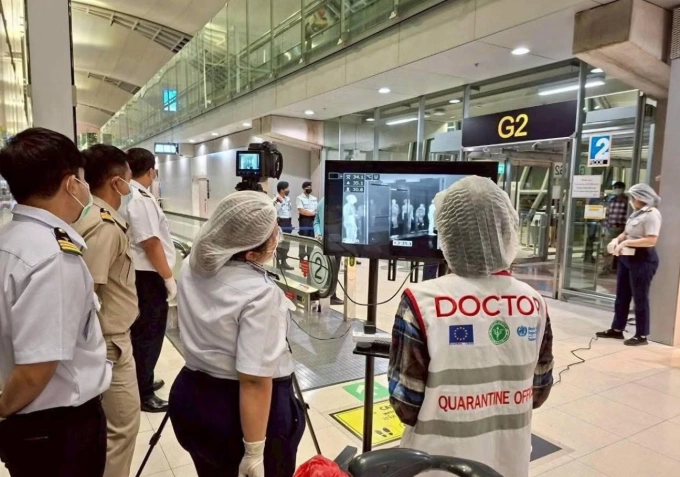
Vietnam welcomes over 18 million international visitors annually who travel safely throughout the country. With zero confirmed cases of Nipah virus and robust health infrastructure in major cities, Vietnam remains one of Southeast Asia’s safest destinations. This regional guide explains how to avoid virus nipah as part of smart travel preparation, while highlighting what makes each Vietnamese region appealing and secure. Whether you’re visiting Hanoi’s vibrant culture, trekking through northern mountains, exploring central coastal towns, or navigating the Mekong Delta, understanding basic health awareness combined with Vietnam’s strong disease surveillance systems ensures confident, healthy travel experiences.
Why Vietnam Is Safe: Strong Health Infrastructure and Zero Cases
Let’s address the most important point first: Vietnam has recorded zero cases of Nipah virus as of January 2026. Vietnam’s Ministry of Health maintains sophisticated disease surveillance systems at all borders and throughout the country. Major cities-Hanoi, Ho Chi Minh City, Da Nang-have modern hospitals with English-speaking staff, international standards, and advanced diagnostic capabilities. This infrastructure means Vietnam is exceptionally well-positioned to detect and respond to any health threats. Learning how to avoid virus nipah is less about managing an actual risk in Vietnam and more about understanding global health awareness that applies across all travel destinations.
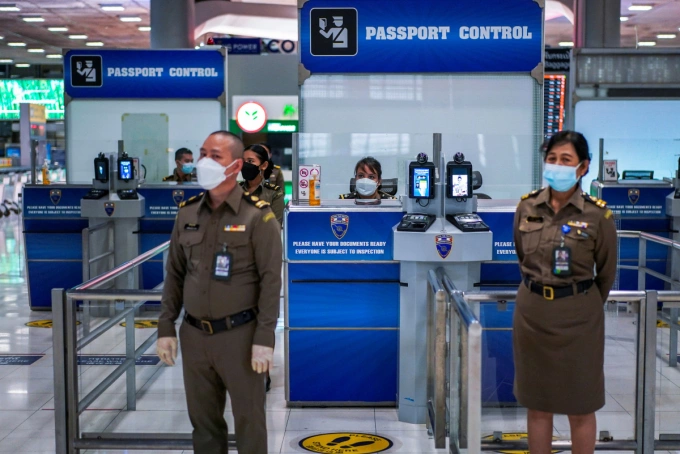
Recent Nipah cases occurred exclusively in West Bengal, India and Bangladesh-geographically distant from Vietnam, separated by Myanmar and Laos. Epidemiological evidence confirms the virus’s natural reservoir (fruit bats) exhibits Nipah infection exclusively in South Asian populations. While understanding how to avoid virus nipah remains smart travel knowledge, it represents general health literacy rather than Vietnam-specific concern. Millions of travelers visit Vietnam annually without health incidents-the country’s disease surveillance, food safety standards, and medical infrastructure provide genuine protection.
Understanding Nipah Virus: What Every Traveler Should Know
Before exploring Vietnam’s regions, understanding this pathogen provides useful context. Nipah virus emerged as a human disease in 1999 during an outbreak in Malaysia involving pig farmers. The virus exhibits a 40-75% mortality rate among hospitalized patients and can cause neurological complications. Symptoms appear 4-14 days after exposure and include fever, severe headache, muscle pain, and respiratory symptoms. In severe cases, encephalitis develops, potentially causing seizures and coma. Understanding how to avoid virus nipah involves recognizing that transmission occurs through direct animal contact or contaminated food-not through casual human interaction or tourism activities.
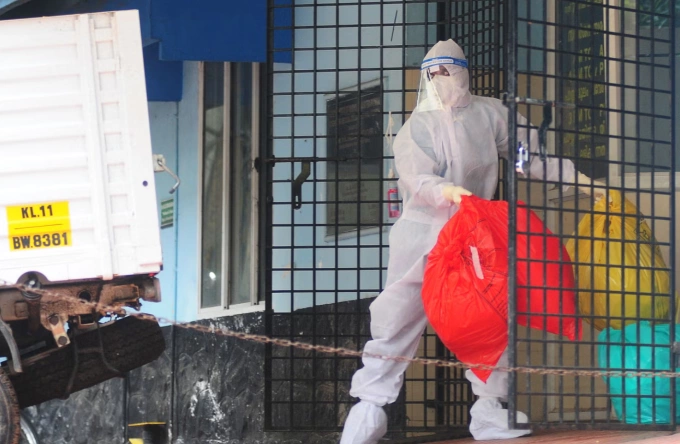
The practical takeaway: standard travel precautions that prevent numerous common illnesses simultaneously address how to avoid virus nipah. Thoroughly washing fruits, peeling produce, using bottled water exclusively, and avoiding wild animal contact form the foundation. These same practices prevent malaria, dengue, typhoid, and foodborne illnesses more commonly affecting travelers. Understanding how to avoid virus nipah therefore represents one component of intelligent regional travel preparation that applies across Southeast Asia.
Northern Vietnam: Safe Urban Centers and Mountain Adventures
Hanoi, Vietnam’s capital, welcomes millions of international visitors annually who enjoy the city safely. With over 8 million residents and established disease surveillance, the city maintains disease control standards comparable to other major Southeast Asian capitals. Modern hospitals provide excellent medical care. Understanding how to avoid virus nipah in Hanoi simply means following standard food safety precautions-restaurants serving tourists maintain strict hygiene standards. The city’s main health consideration is air pollution during winter months, relevant primarily for travelers with respiratory sensitivities, not for how to avoid virus nipah specifically.
Northern mountainous regions present a different appeal: pristine landscapes, ethnic minority cultures, and adventure trekking attract travelers seeking authentic experiences. These areas are safe for organized tours. While remote highlands have limited healthcare access and present malaria risks in certain seasons, professional vietnam local tour operators manage these considerations expertly. They understand regional health protocols, source food from safe vendors, arrange accommodations with proper sanitation, and coordinate medical support if needed. Understanding how to avoid virus nipah in mountain regions means working with experienced guides who navigate regional logistics-not avoiding the regions entirely.
Northern trekking through provinces like Sa Pa, Dien Bien Phu, and Ha Giang represents some of Vietnam’s most rewarding travel experiences. Thousands of international trekkers visit these regions annually, supported by professional vietnam local tour operators who ensure safe food sources, proper water access, and health logistics. Combining knowledge about how to avoid virus nipah with professional guides creates optimal conditions for both adventure and health security.
Central Vietnam: Thriving Coastal Cities and Accessible Culture
Central Vietnam’s coastal cities-Hoi An, Da Nang, Hue-represent some of Southeast Asia’s most appealing destinations. These cities maintain modern medical facilities, international-standard hotels, and excellent food safety. Da Nang hosts over 6 million international visitors annually without health infrastructure issues. These coastal destinations provide perfect balances between cultural immersion and tourist comfort. Understanding how to avoid virus nipah here involves standard precautions applicable universally-these cities’ developed tourism infrastructure naturally facilitates health safety.
Hoi An’s ancient town, Da Nang’s beaches, and Hue’s imperial heritage attract travelers safely. Food vendors catering to tourists maintain hygiene standards, hotels have reliable water systems, and medical care is readily accessible. Central Vietnam presents minimal health complexity for tourists-combining cultural attractions with straightforward health safety. Learning how to avoid virus nipah in these regions simply means practicing the same sensible precautions applicable everywhere: washing fruits, using bottled water, and avoiding raw unpasteurized beverages.
For travelers considering inland trekking toward central highlands, professional vietnam local tour operators manage regional considerations. These guides understand seasonal weather, coordinate with vetted food vendors, and arrange proper accommodations. Their expertise transforms how to avoid virus nipah from abstract concern into practical itinerary management, allowing you to focus on incredible cultural and natural experiences.
Southern Vietnam: Modern Ho Chi Minh City and Fascinating Mekong Exploration
Ho Chi Minh City, Vietnam’s largest urban center, offers world-class healthcare, modern infrastructure, and sophisticated disease surveillance rivaling any major Asian city. The city welcomes 8+ million international visitors annually who experience urban Vietnam safely. International hospitals, English-speaking physicians, and advanced diagnostic facilities ensure travelers receive excellent medical care if needed. Understanding how to avoid virus nipah in Ho Chi Minh City is straightforward: follow standard food safety practices widely observed in the city’s international tourist infrastructure.
The Mekong Delta offers fascinating cultural and natural experiences-floating markets, rice paddies, local villages. This region is safe for organized tours. Professional vietnam local tour operators managing delta itineraries understand seasonal health considerations (monsoon season June-November), coordinate with reliable food vendors, and manage water sources properly. Their expertise ensures travelers experience the delta’s authentic charm while maintaining health security. Understanding how to avoid virus nipah in the delta combines with general travel wisdom-using bottled water, eating from reputable vendors, and avoiding raw vegetables in remote areas.
Millions of travelers explore southern Vietnam annually without health complications. The combination of Vietnam’s health infrastructure, professional tour operator expertise, and travelers’ basic precautions creates safe conditions for experiencing this dynamic region. Ho Chi Minh City’s energy and the Mekong Delta’s tranquility both provide authentic Vietnam experiences with minimal health risk when approached intelligently.
Smart Health Preparation: How to Avoid Virus Nipah Across All Regions
Understanding how to avoid virus nipah involves consistent practices applicable throughout Vietnam. Thoroughly wash fruits and vegetables under clean running water. Peel produce yourself rather than eating pre-peeled versions. Use bottled water exclusively-don’t drink tap water or use ice from unknown sources. Avoid raw or unpasteurized juices, particularly in remote areas. Avoid consuming raw or undercooked meat. These practices prevent not only how to avoid virus nipah but also protect against numerous more common travel illnesses like traveler’s diarrhea and typhoid.
Animal contact avoidance also supports how to avoid virus nipah prevention. Don’t touch bats, wild animals, or farm animals during your travels. Most tourist activities in Vietnam don’t involve close animal contact, but if you encounter wildlife, observe from safe distance using cameras or binoculars. This respectful approach protects both you and local animals while supporting conservation efforts Vietnamese communities value.
Excellent personal hygiene provides foundation for all health protection. Wash hands frequently with soap and water, especially before eating and after outdoor activities. Carry hand sanitizer with 60% alcohol for situations where soap isn’t available. These simple habits prevent numerous infections simultaneously. When you combine these practices with professional guidance from vietnam local tour operators familiar with regional specifics, you create optimal conditions for both health security and meaningful travel experiences.
The Role of Professional Tour Operators: Safety Through Expertise
Partnering with experienced vietnam local tour operators significantly enhances your health security across all regions. These professionals maintain relationships with vetted restaurants, food vendors, and accommodations meeting international standards. They understand regional health protocols and coordinate with reliable healthcare providers. Most importantly, they ensure food sourcing, water access, and activity planning incorporate health safety from the itinerary design stage.
Professional guides familiar with how to avoid virus nipah through regional knowledge prevent exposure through informed destination selection and logistics management. They avoid problematic vendors, coordinate with hospitals in remote areas, and can facilitate medical evacuation if ever needed (though unnecessary in most scenarios). This combination of expert guidance and organized logistics transforms how to avoid virus nipah from theoretical concern into practical, seamlessly integrated travel planning. You focus on experiencing Vietnam’s incredible diversity while professionals manage health logistics.
Tour operators also typically include travel insurance with medical coverage, providing financial protection and professional support coordination for emergencies. This insurance means that even in extremely unlikely scenarios, you have rapid access to world-class medical evaluation and care. Understanding how to avoid virus nipah becomes streamlined when combined with comprehensive travel preparation through professional vietnam local tour operators.
Travel Vietnam with Confidence: Regional Awareness Enables Better Experiences
Vietnam is fundamentally safe for international travelers. Zero confirmed Nipah cases, robust disease surveillance, modern healthcare in major cities, and millions of annual visitors exploring the country safely provide compelling evidence. Understanding how to avoid virus nipah represents smart general health literacy that applies across all Southeast Asian travel-not a Vietnam-specific risk requiring avoidance.
Each region offers distinct experiences worth exploring. Northern mountains provide adventure and cultural immersion. Central coasts blend history with relaxation. Southern areas offer urban energy and delta tranquility. All regions maintain reasonable health standards when you follow smart travel practices and work with professional guides. Knowing how to avoid virus nipah enables informed decision-making about food, animal contact, and health precautions-it doesn’t require limiting your itinerary or avoiding experiences.
Book tours with experienced vietnam local tour operators who understand each region’s specific character and health logistics. These professionals ensure your journey combines rich cultural experiences, natural beauty, authentic encounters, and health security. Your comprehensive Vietnamese adventure awaits-with proper health preparation and professional guidance, understanding how to avoid virus nipah becomes simply another aspect of intelligent travel planning that enables rather than restricts your Southeast Asian experience. Vietnam welcomes you safely.