
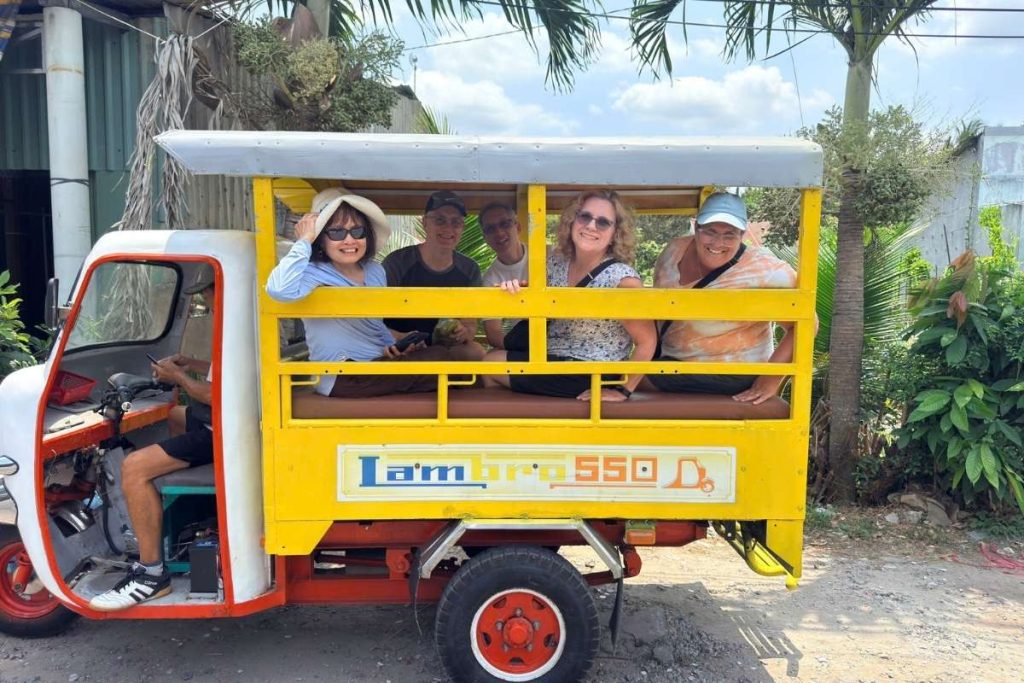
Vietnam is a country that rewards curious travellers. Its most famous destinations, including Hanoi, Ha Long Bay, Hoi An and Ho Chi Minh City, offer memorable experiences. However, there is another side of the country that often stays outside the standard itinerary. It can be found in family kitchens, village markets, craft workshops, mountain communities and small neighbourhood cafés.
For travellers arriving by cruise, carefully planned Vietnam shore excursions can also provide an opportunity to discover local culture beyond the usual highlights. Here are some of the most rewarding ways to discover a more authentic side of Vietnam.
What Makes a Cultural Experience in Vietnam Truly Meaningful?
A meaningful cultural experience creates an opportunity to understand how people live, work, eat, celebrate and preserve their traditions. For that reason, travellers should look for experiences that involve genuine interaction.
Preparing a meal with a local family can reveal more about regional food culture than simply ordering a dish at a restaurant. Meeting an artisan in their workshop can provide insight into a craft tradition that may have been passed down through several generations.
Responsible travel also matters. Visitors should respect local customs, ask permission before taking photographs and support locally owned businesses whenever possible. Small group experiences and locally operated tours often create better opportunities for meaningful interaction while reducing the pressure placed on local communities.
Top Authentic Cultural Experiences in Vietnam
Vietnam offers far more than its famous landmarks and well-known tourist attractions. Some of the most memorable moments often take place in quieter settings. These experiences give travellers the chance to understand the country through its people, customs, food and everyday traditions.
1. Stay in a Traditional Homestay
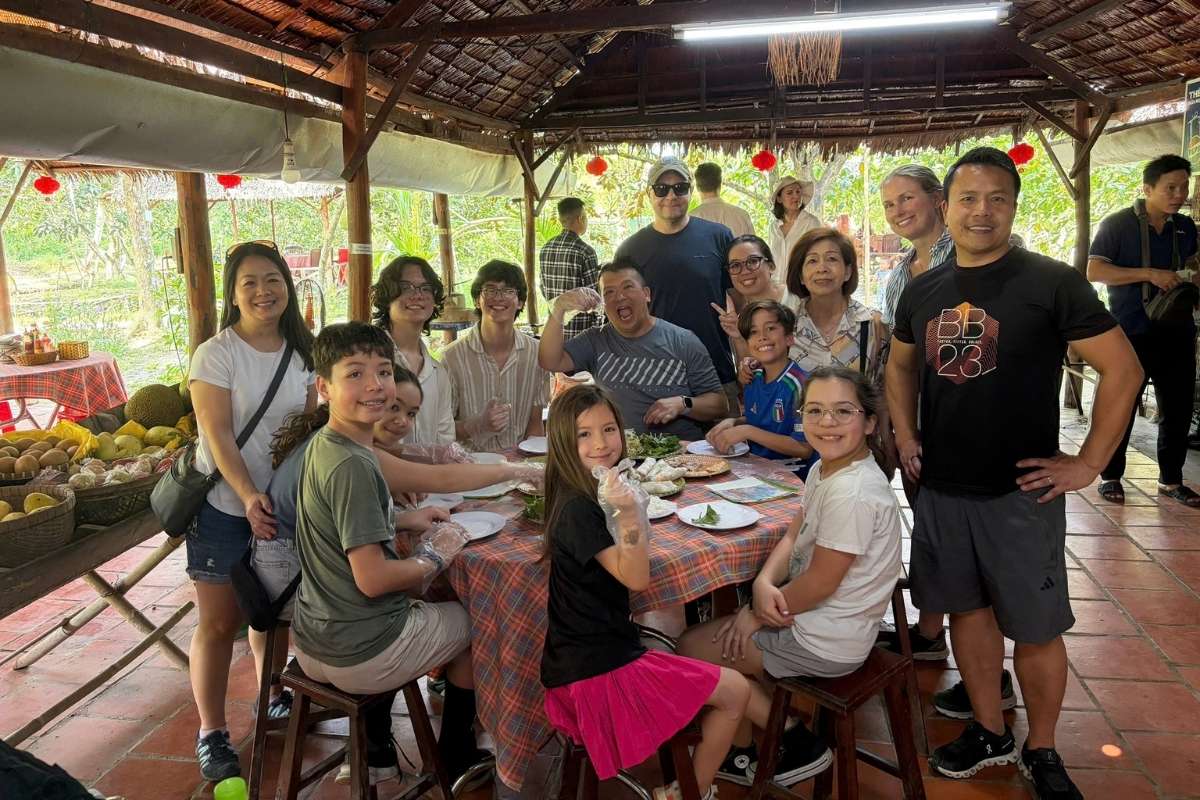
A homestay is one of the simplest ways to experience daily life in Vietnam at a slower pace. Instead of staying in a conventional hotel, travellers spend time in a local home and often share meals with the host family.
Regions such as Mai Chau, Pu Luong and Ha Giang are known for their mountain scenery and community-based accommodation. In the Mekong Delta, homestays can offer a different perspective, with guests staying close to fruit gardens, waterways and family farms.
The value of a homestay lies in its simplicity. Travellers do not need a complicated itinerary to learn something meaningful. Sharing a meal and observing the rhythm of everyday life can be enough.
2. Discover the Cultural Diversity of Vietnam’s Ethnic Communities
Vietnam is home to a remarkable range of ethnic groups, each with its own traditions, clothing, cuisine, architecture and cultural identity. The northern mountainous regions are particularly rich in cultural diversity.
A respectful visit should focus on understanding local life rather than treating communities as living museum exhibits. Travellers should avoid intrusive photography and should be mindful of cultural differences.
3. Visit Traditional Craft Villages
Traditional craft villages provide an excellent opportunity to see how Vietnamese cultural heritage continues to exist in everyday life. Many crafts have been preserved through family businesses and local communities.
Pottery, silk weaving, lacquerware, wood carving, embroidery and incense making are just some of the traditional crafts found across the country. Bat Trang, near Hanoi, is particularly well known for its pottery tradition, while other regions offer their own distinctive forms of craftsmanship.
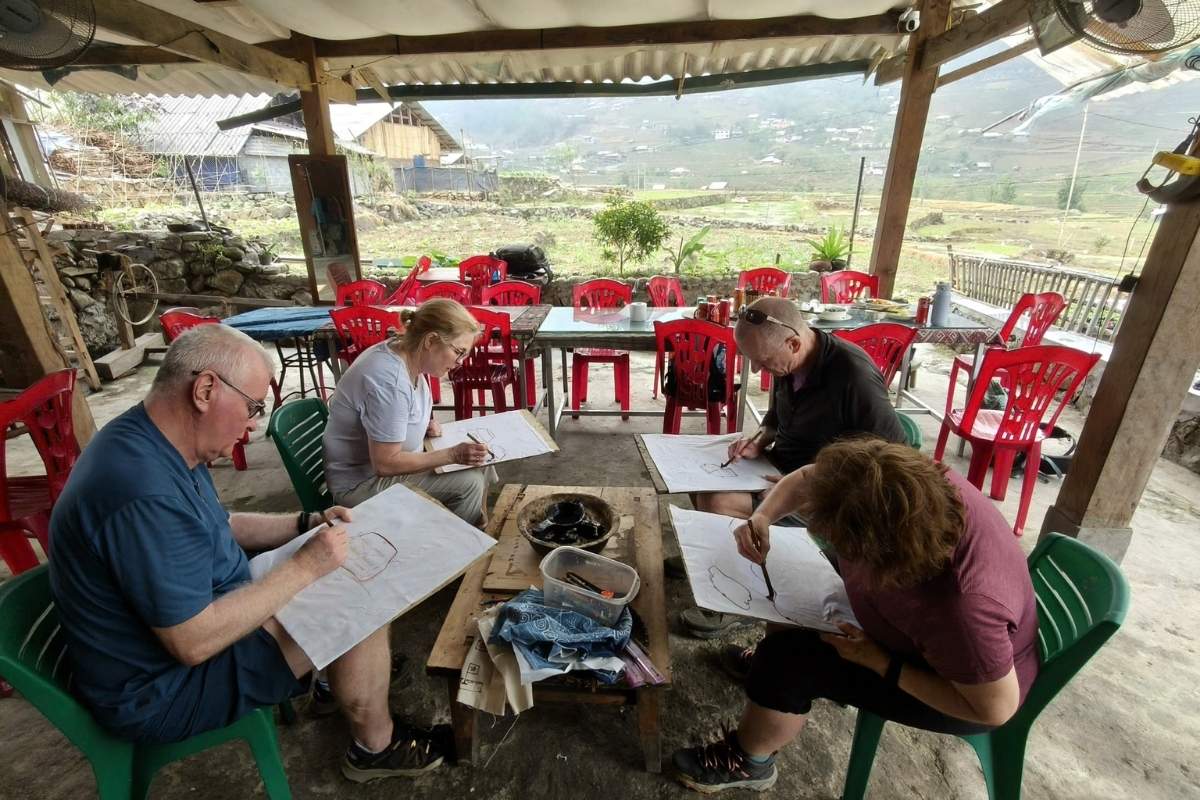
This type of hands-on activity also helps explain the amount of skill and patience required to create traditional Vietnamese handicrafts. Purchasing directly from an artisan can provide meaningful support for the continuation of these traditions.
4. Experience Vietnamese Food Culture at a Local Table
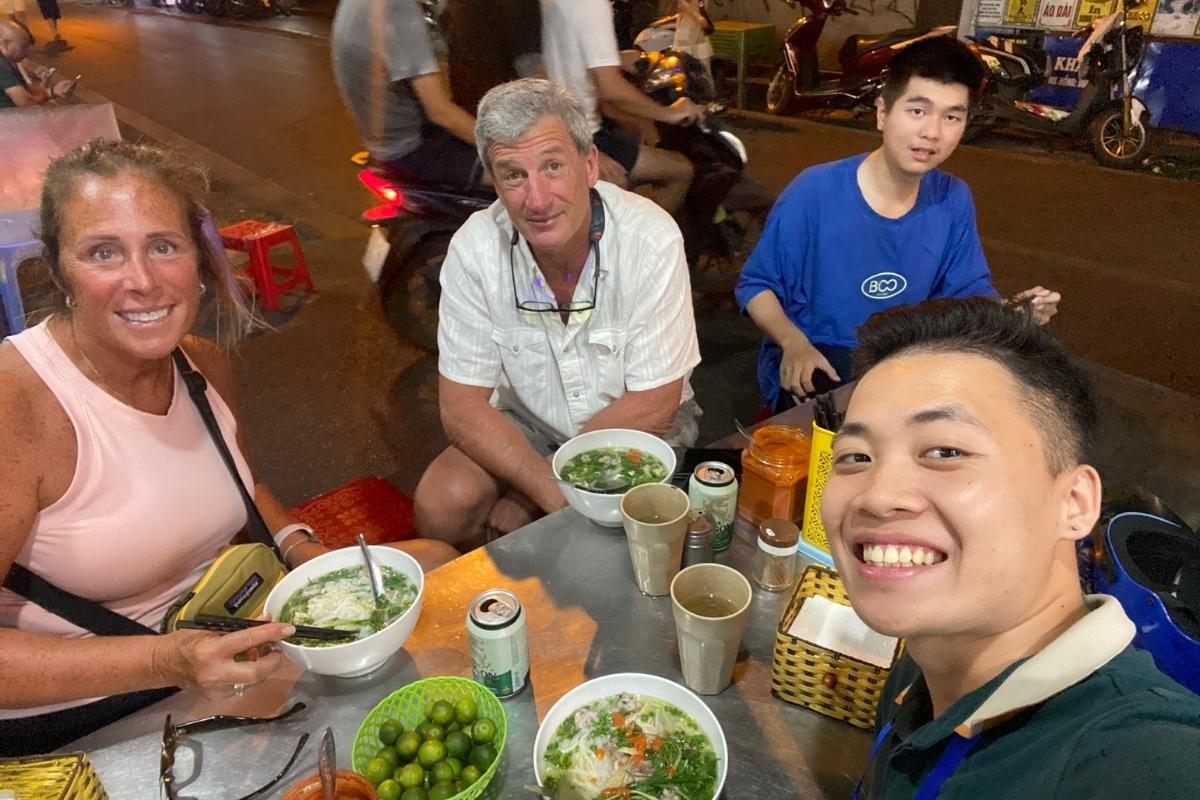
Food is one of the most accessible ways to understand Vietnam. The country’s cuisine changes significantly between regions, reflecting differences in climate, geography, history and local ingredients. Travellers can explore food culture by eating at small family-run restaurants and neighbourhood food stalls.
A cooking class can provide a deeper experience than simply eating at a restaurant. Many classes begin with a visit to a local market, where participants learn how ingredients are selected. They may then prepare dishes under the guidance of a local cook.
5. Visit a Local Market Early in the Morning
Markets are among the best places to observe everyday life in Vietnam. They are busy, practical and deeply connected to local communities.
In rural areas, markets may bring together farmers, food vendors, craftspeople and families from surrounding villages. In cities, neighbourhood markets offer an opportunity to see how residents shop for fresh ingredients and begin their day.
Visitors should remember that markets are working environments rather than tourist attractions. Asking before taking photographs and making a small purchase can be simple ways to show respect.
6. Explore Vietnam’s Spiritual and Religious Traditions
Vietnamese spiritual life has been shaped by Buddhism, Confucian traditions, Taoist influences, ancestor worship and long-standing folk beliefs. These influences can be seen in pagodas, temples, communal houses and family traditions across the country.
The key is to remember that these are living cultural spaces. Visitors should dress appropriately, observe local behaviour and avoid treating religious ceremonies as entertainment. Learning about the meaning of incense, offerings and ancestral traditions can provide a deeper understanding of Vietnamese society and family life.
7. Cycle Through Rural Vietnam
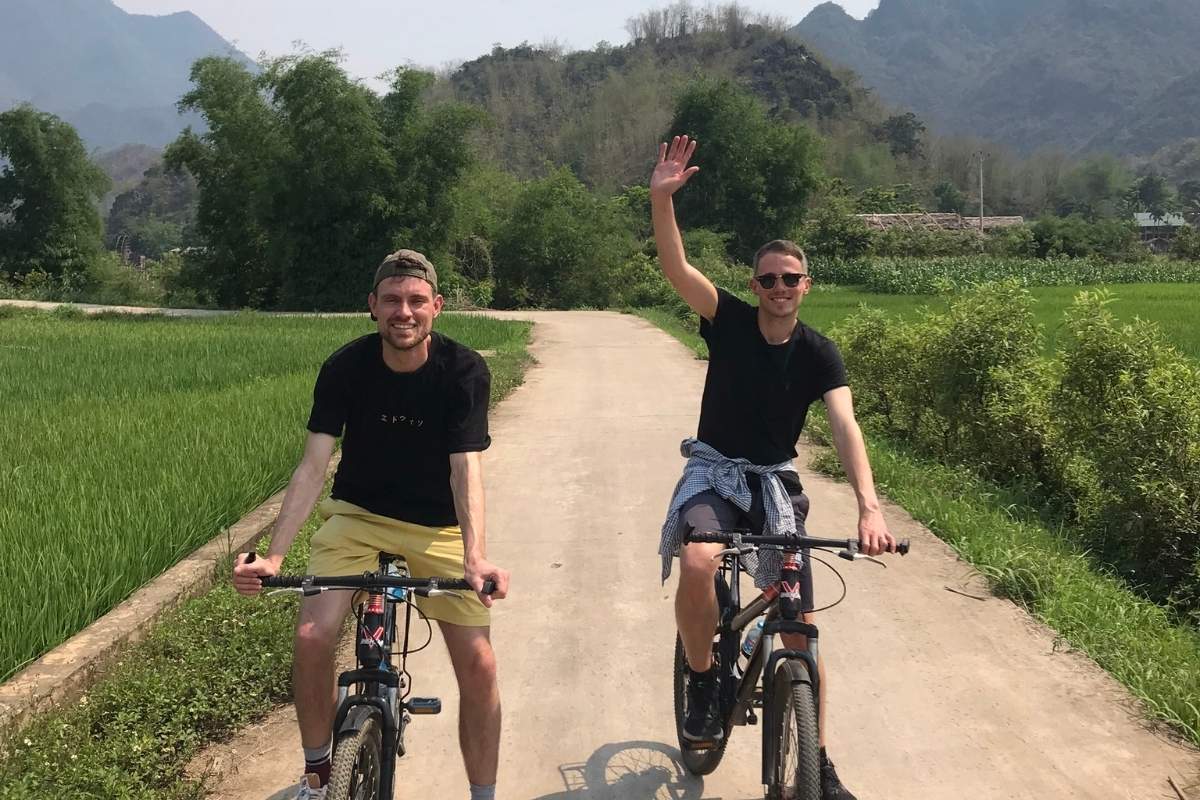
Cycling offers a slower and more intimate way to explore the countryside. A bicycle allows travellers to move through villages, rice fields and small roads at a pace that encourages observation.
Popular areas for cycling include the Mekong Delta, Mai Chau, Pu Luong, Ninh Binh and the rural surroundings of Hoi An. Along the way, visitors may pass small temples, farms, workshops and family homes.
Cycling also creates opportunities for spontaneous interactions. A friendly greeting or a short conversation can make a simple journey feel unexpectedly special.
8. Learn About Traditional Music and Performing Arts
Vietnamese culture includes a rich variety of traditional music and performance. Water puppetry is internationally recognised, but it represents only one part of the country’s performing arts.
Travellers can also explore regional folk music, traditional instruments and community performances. The experience becomes more meaningful when visitors learn about the history and cultural significance behind what they are watching.
The arts offer another way to appreciate Vietnam’s cultural diversity. Different regions have developed their own styles, sounds and traditions over centuries.
9. Join a Local Festival or Seasonal Celebration
Festivals provide an opportunity to see cultural traditions in a particularly vibrant setting. Lunar New Year, the Mid-Autumn Festival and local temple celebrations are among the many events that reflect Vietnamese customs.
A festival can offer insight into local beliefs, family relationships, food traditions and community identity. However, visitors should remember that these celebrations are primarily for local communities.
10. Discover Vietnam’s Coffee Culture
Coffee is deeply embedded in modern Vietnamese life. The traditional phin filter, strong coffee and condensed milk are familiar to many visitors, but the café culture itself is equally interesting.
In Vietnamese cities, cafés function as social spaces, meeting places and quiet corners for reading or working. Travellers can try traditional Vietnamese coffee, explore regional variations and simply observe how local residents use these spaces.
How to Experience Vietnamese Culture Responsibly
Travelling beyond popular attractions in Vietnam requires more than choosing a less crowded destination. It requires a respectful attitude.
- Support locally owned businesses when possible.
- Choose guides who have genuine knowledge of the communities they represent.
- Buy crafts directly from artisans and avoid bargaining aggressively over small amounts that make a meaningful difference to local sellers.
- Always ask before photographing people, particularly in private or culturally sensitive settings.
- Remain curious without being intrusive (most important).
The goal of cultural travel is not to collect photographs of other people’s lives. It is to learn, listen and develop a better understanding of the places we visit.
Vietnam offers an extraordinary variety of cultural experiences, but travellers do not always need to go far to find them. The best cultural experiences in Vietnam encourage visitors to slow down and pay attention. They create space for genuine human connections and help travellers understand the traditions that continue to shape everyday life.