
If you ask most international travelers about islands in Vietnam, you’ll hear the same names repeated: Phu Quoc, Con Dao, maybe Nha Trang’s nearby islets. Phu Quy Island, on the other hand, still triggers blank stares. And that’s exactly why it matters.
This is not a glossy brochure island. Phu Quy Island is remote, imperfect, sometimes inconvenient – and that’s the whole point. Over the past few years, it has quietly earned attention from regional travel experts and editors as one of Southeast Asia’s most promising emerging destinations, precisely because it has not been overdeveloped. No airport. No mega‑resorts. No nightlife scene engineered for tourists.
What you get instead is raw coastline, working fishing villages, volatile seas, and a travel experience that demands intention rather than convenience. This guide is written for independent international travelers – couples, solo travelers, and slow travelers – who actively seek places before they peak, and who value personal discovery over packaged experiences.
Where Phu Quy Island Actually Is (And Why It Feels So Isolated)
Phu Quy Island sits about 120 km off the coast of Binh Thuan Province, in south‑central Vietnam. On a map, it doesn’t look dramatically far from the mainland. In reality, the open sea between Phan Thiet and the island is what creates its sense of separation.
Unlike many Vietnamese islands, Phu Quy Island has no airport. This single fact has shaped everything: tourism growth, local economy, visitor profile, and even the pace of daily life. Reaching the island requires time, patience, and a tolerance for unpredictability – barriers that automatically filter out mass tourism.
From a destination‑development perspective, this is exactly why Phu Quy Island has remained largely uncommercialized compared to Phu Quoc or even Ly Son.
First‑Hand Reality Check: This Is Not an Easy Island
Let’s be very clear, because too many travel articles gloss over this part.
Getting to Phu Quy Island means crossing open water by boat. Depending on sea conditions, the journey from Phan Thiet port takes anywhere from 2.5 to 4 hours on a high‑speed ferry. On calm days, it’s manageable. On rough days, it can be physically demanding – even for experienced travelers.
If you are prone to motion sickness, this is not something you “might want to consider.” You will need to prepare. Medication helps. Sitting mid‑ship helps. Traveling during calm‑sea months helps the most.
This inconvenience is not a flaw of Phu Quy Island – it is the price of admission.
Best Time to Visit Phu Quy Island (Based on Sea Conditions, Not Just Weather)
Most guides talk about sunshine and temperature. For Phu Quy Island, sea state matters more than air temperature.
Best months
- December to June: Generally calmer seas, more reliable ferry schedules, and better underwater visibility.
Months to avoid if you’re sensitive to motion sickness
- September to November: Stronger winds, rougher seas, frequent ferry cancellations. Even if flights and hotels are cheap, the crossing can be genuinely unpleasant.
Experienced travelers time their visit based on marine forecasts, not just seasonal averages. If flexibility isn’t your strength, this island will test it.
What Makes Phu Quy Island Different From Vietnam’s Other Islands
From the perspective of an independent traveler who has explored multiple Vietnamese islands, the distinction becomes very clear.
Phu Quy Island is:
- A working island, not a resort island
- Community‑led, not investor‑driven
- Visually dramatic, but not curated for social media
Fishing boats dominate the harbors. Seafood markets open early and close early. Roads exist to serve locals first, visitors second. Tourism here still feels like an add‑on – not the core industry.
This creates an experience that feels unusually grounded for Southeast Asia in 2026.

What You’ll Actually Do on Phu Quy Island
To understand Phu Quy Island properly, you need to slow your expectations down. This is not a destination where you “cover” attractions. It is a place where you spend time – often doing very little – and that is precisely why it leaves an impression.
There is no checklist tourism here. Activities are simple, repetitive, and deeply tied to the landscape.
Coastal exploration
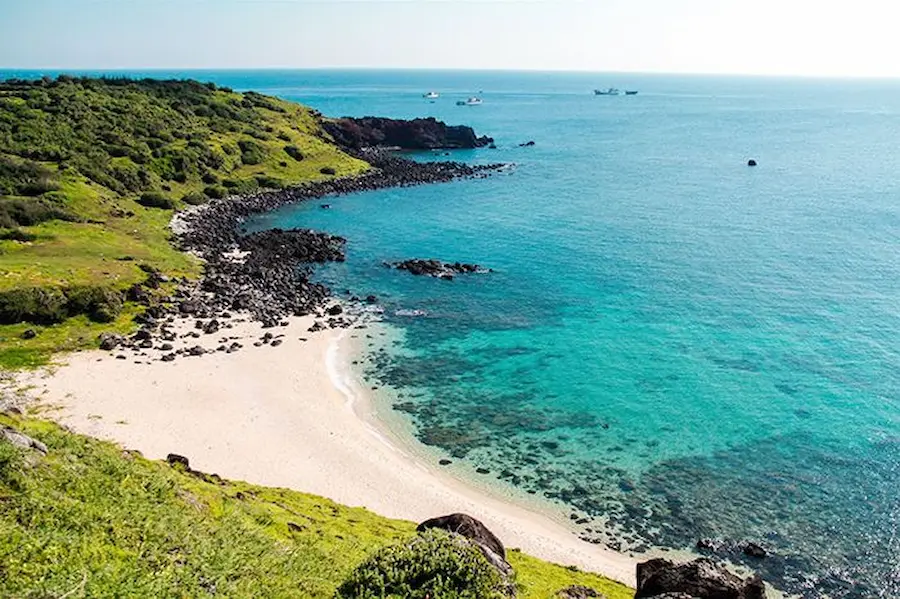
Phu Quy Island’s shoreline alternates between sandy beaches and volcanic rock formations. Some areas are ideal for swimming; others are better for walking, photography, or simply sitting still.
Sunrise and late afternoon light transform the island. Midday is harsh and quiet – locals retreat indoors, and so should you.
Motorbike exploration
Most visitors rent a motorbike. The island is small enough to circle in a day, but doing so slowly matters. You’re not racing to attractions; you’re observing daily rhythms.
Snorkeling (conditions dependent)
When the sea allows, nearby islets offer clear water and coral. This is not heavily regulated yet – responsible behavior from visitors matters here more than rules.
A Slow Travel Rhythm: What a Typical Day on Phu Quy Island Feels Like
Mornings on Phu Quy Island start early. Fishing boats return just after sunrise, and the island briefly comes alive with movement. By mid‑morning, the heat builds and activity slows. Shops close. Streets quiet down. This daily rhythm is not designed for visitors – it exists for locals – and travelers who adapt to it enjoy the island far more.
Afternoons are best spent near the sea, finding shade, swimming when conditions allow, or simply watching weather patterns roll in. Evenings are communal and low‑key: seafood dinners, conversations with hosts, and very little background noise. If you are looking for stimulation, this island will feel empty. If you are looking for calm, it feels generous.
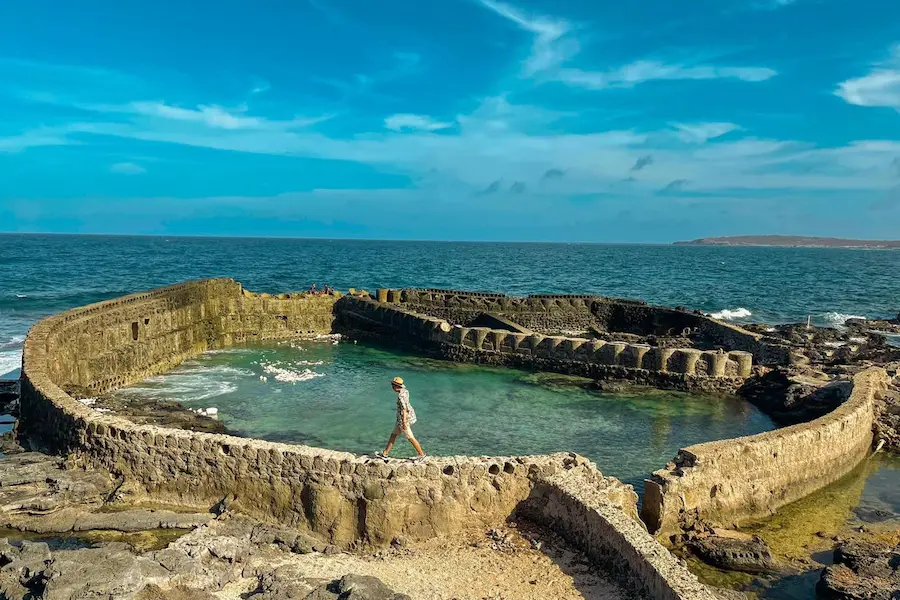
An abandoned fish farm turned into a unique check-in spot on Phu Quy Island.
Food on Phu Quy Island: Functional, Fresh, Unpretentious
Expect seafood prepared simply – grilled, steamed, lightly seasoned. This is food meant to be eaten daily, not plated for tourists.
Menus are limited. English is minimal. But quality is high because supply chains are short. Fish caught in the morning is eaten the same day.
If you’re looking for culinary experimentation, look elsewhere. If you value freshness and authenticity, Phu Quy Island delivers.
Getting Around the Island: Simple, Independent, Unpolished
Phu Quy Island has no public transport in the way international travelers might expect. Motorbikes are the default. Renting one is straightforward and inexpensive, and it offers the freedom to explore without structure.
Road conditions vary. Some coastal stretches are smooth; others are rough and uneven. This is not a place to rush. Helmets are essential, and cautious riding is strongly advised, especially during windy conditions.
Distances are short, but the experience is immersive. You pass fishing villages, quiet temples, salt fields, and stretches of road where the sea feels close enough to touch.
Accommodation: What “Comfort” Means Here
There are no international hotel brands on Phu Quy Island.
Accommodation consists of:
- Local guesthouses
- Family‑run homestays
- A small number of simple beachfront lodgings
Rooms are clean but basic. Power outages happen. Hot water is not guaranteed 24/7. View this as context, not inconvenience.
Most independent travelers end up choosing accommodation based on location and hosts, not star ratings – and that mindset fits Phu Quy Island perfectly.
Who Phu Quy Island Is (And Is Not) For
Phu Quy Island is ideal for travelers who:
- Experienced international travelers
- People seeking pre‑commercial destinations
- Photographers, slow travelers, cultural explorers
Not ideal for:
- First‑time Southeast Asia visitors
- Luxury‑focused travelers
- Anyone needing rigid schedules or nightlife
Phu Quy Island rewards curiosity and patience. It punishes entitlement.
Responsible Travel Matters More Here Than Elsewhere
Because Phu Quy Island is still early in its tourism life cycle, visitor behavior has an outsized impact.
- Waste management is limited – minimize plastic
- Coral damage is irreversible – snorkel responsibly
- Local culture is conservative – dress and act accordingly
Travelers who treat the island as a backdrop rather than a community actively degrade what makes it special.
How Long to Stay on Phu Quy Island
Most travelers underestimate how much time they need here – or overestimate how much there is to “do.”
- 2 days: Possible, but rushed. Mostly checking off beaches.
- 3–4 days: Ideal for most independent travelers. Enough time to adapt to the rhythm and explore without pressure.
- 5+ days: For slow travelers, photographers, or anyone seeking genuine mental reset.
The island reveals itself gradually. Staying longer does not mean doing more – it means noticing more.
Costs, Budget & Expectations (No Surprises for First‑Time Visitors)
One reason Phu Quy Island still feels approachable for independent travelers is cost – but affordability here comes with trade‑offs that are worth understanding in advance.
Daily budget (rough guideline)
For most international travelers, Phu Quy Island is not an expensive destination, but it is not ultra‑cheap either due to logistics.
- Accommodation: Budget guesthouses and homestays generally range from basic to comfortable, with prices reflecting limited supply rather than luxury. You pay for location and local hospitality, not amenities.
- Food: Meals are inexpensive by international standards, especially seafood. Because menus are local and seasonal, prices stay stable and fair.
- Transport: Motorbike rental is affordable, but fuel costs add up if you explore the island extensively.
- Ferry tickets: This is the single biggest variable expense. Prices fluctuate by season and boat type, and last‑minute changes are common.
Overall, Phu Quy Island suits travelers who value experience over comfort rather than those chasing the lowest possible daily spend.
What you will not get for your money
It’s important to reset expectations.
- No luxury spas
- No polished service culture
- No curated tours running every hour
If you expect resort‑style value, you’ll feel disappointed. If you expect honesty and simplicity, the island delivers.
Hidden costs to factor in
- Sea sickness medication (essential for many)
- Extra nights in Phan Thiet if ferries are delayed
- Cash dependency due to limited ATM access
Being mentally prepared for these realities is part of traveling responsibly to Phu Quy Island.
Planning Phu Quy Island the Smart Way
Logistics here are not beginner‑friendly. Ferry schedules shift. Weather changes quickly. Accommodation availability is limited.
For travelers who prefer light planning support without losing independence, working with vietnam local tour operators can help simplify ferry logistics and accommodation – while still keeping the experience flexible and personal. Local operators understand seasonal sea patterns, backup plans, and realistic pacing – things that generic itineraries miss.
Thinking about visiting Phu Quy?
We’re currently putting together a dedicated Phu Quy itinerary for 2026. If you’d like us to reach out once it’s ready – or if you just have questions about logistics – drop us a message and we’ll get back to you personally.
Final Perspective: Why Phu Quy Island Still Feels Rare
Phu Quy Island sits at a fragile moment in its evolution. Recognition is growing, but infrastructure hasn’t caught up – and that gap is what creates its appeal.
If you arrive expecting comfort, you’ll be disappointed. If you arrive expecting honesty, texture, and a place that hasn’t been polished yet, you’ll understand why Phu Quy Island is quietly becoming one of Vietnam’s most talked‑about emerging destinations.
This island doesn’t try to impress you. It simply exists. And for the right traveler, that’s more than enough.